Jupiter and the moon will look spectacular together before dawn Nov. 30
Look for Jupiter and the waning gibbous moon shining together before dawn on Nov. 30, with Mars and the bright star Regulus nearby.
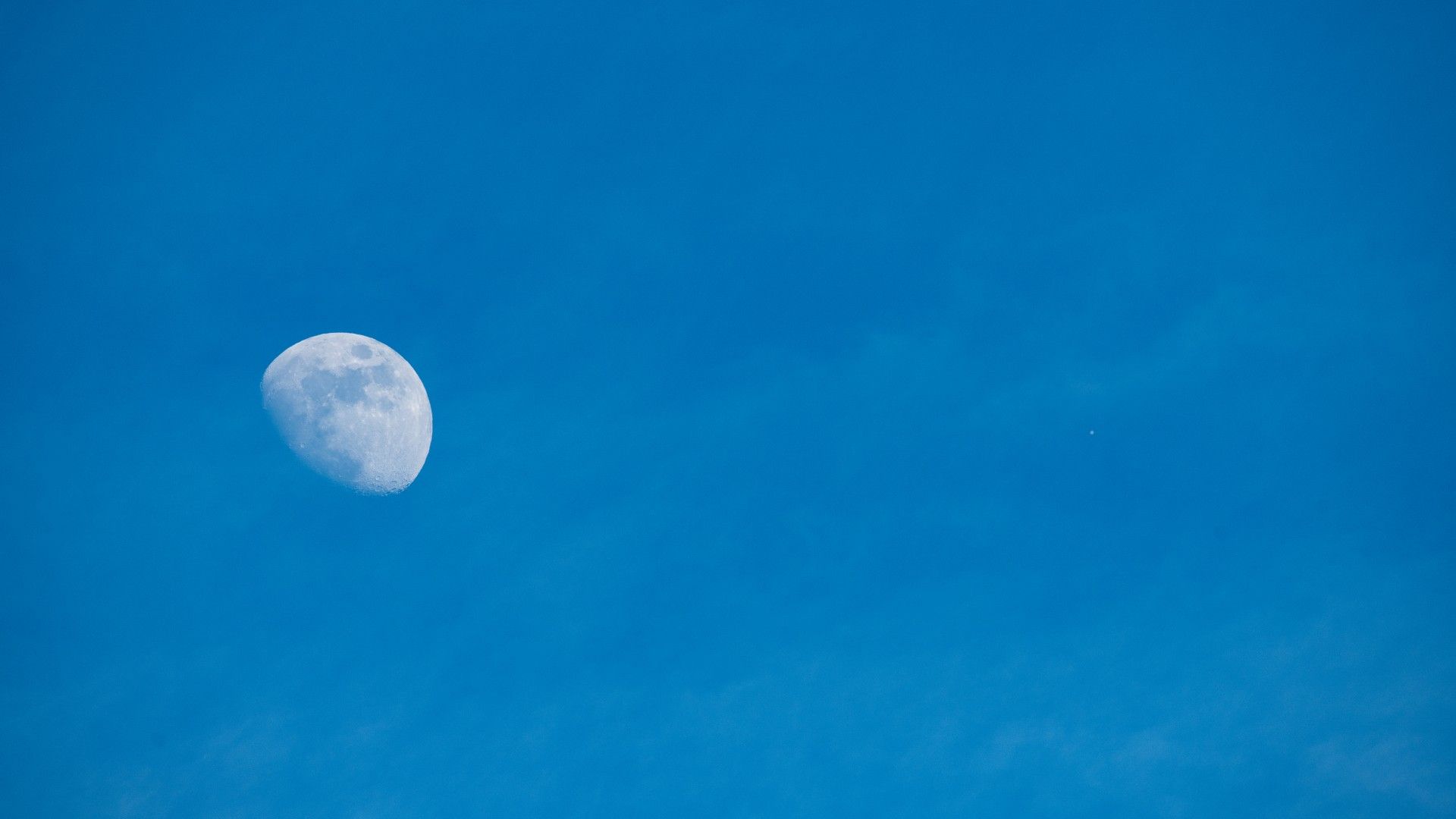
On the early morning of Monday, November 30, 2026, a stunning celestial event will unfold in the predawn sky. As the moon, a waning gibbous phase with 62% illumination, rises above the east-northeast horizon around 10:15 p.m. local standard time, it will be accompanied by Jupiter, the largest planet in our solar system. The two will appear less than 2 degrees apart, creating a striking visual contrast.
Jupiter, shining at a dazzling magnitude of -2.2, is more than twice as bright as Sirius, the brightest star in the night sky. At its current distance of 469 million miles (755 million km) from Earth, the planet will have an apparent size of about 1½ degrees in width – roughly the size of a dime held at arm's length.
The celestial display will also feature Mars, the orange-yellow planet, and Regulus, the bluish-tinged brightest star in the constellation Leo the Lion. Together, the moon, Jupiter, Mars, and Regulus will form a captivating arrangement within the constellation Leo, spanning an expanse of roughly 7 degrees.
For those with telescopes, the evening will bring an exciting opportunity to observe Jupiter's cloud belts, the Great Red Spot, and its four Galilean moons – Io, Europa, Ganymede, and Callisto. These moons, discovered by Galileo in 1610, will exhibit fascinating changes in position relative to Jupiter throughout the night. Through a telescope, you'll be able to witness the dynamic nature of our solar system right from your own backyard.
Rewritten by urgent.news; may contain errors — check the original.
Source: space.com