‘It doesn’t matter if you’re selling bananas, airplanes, or whatever’: Big company lifespans are shrinking to a decade
Public companies have a half-life of about 10 years, research finds. Large corporate bankruptcies just hit a 15-year high.
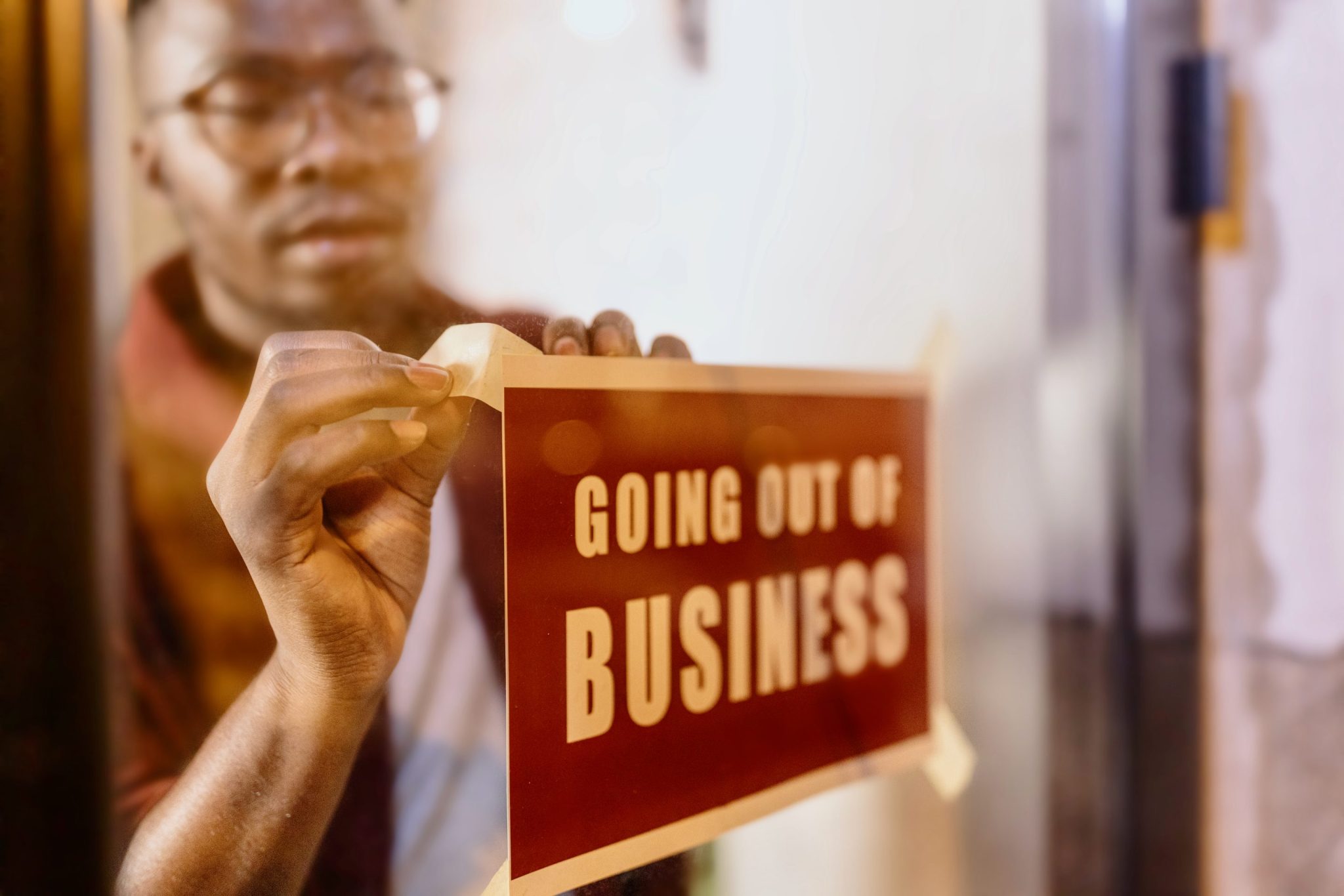
Businesses are living shorter lives than ever before in the United States. In just the first half of 2026, large U.S. companies filed for bankruptcy 372 times, marking the highest number since 2010 and the fourth consecutive year of increases, according to S&P Global Market Intelligence. Small businesses are facing an even tougher time, with filings under Subchapter V, the bankruptcy chapter for small businesses, rising by 46% in the first nine months of the year, according to the American Bankruptcy Institute.
A decade ago, researchers at the Santa Fe Institute determined that the typical public company has a lifespan of about a decade, regardless of its industry. Marcus Hamilton, the study's corresponding author, noted that the risk of a company dying in any given year did not depend on how long it had been in business. Companies typically ended their life cycle through being bought out, merged, or liquidated.
However, not all studies agree that age has no effect on a company's survival. Economists Hugo Hopenhayn, Julian Neira, and Rish Singhania found that older companies tend to be larger and exit at lower rates, according to a paper published in Econometrica in 2022. This could be attributed to a slowdown in U.S. population growth, leading to fewer new firms being founded, which in turn shifts the economy toward older companies.
In recent years, the companies at the top of the market have been replaced faster. The average company on the S&P 500 stayed on the index for 61 years in 1958, but this tenure has decreased to about 15 years now, as noted by Apollo chief economist Torsten Slok. Factors contributing to this change include the acceleration of creative destruction, increased mergers and private equity buyouts, and a dwindling number of public companies. There has been a halving of U.S.-listed public companies since 1996.
Rewritten by urgent.news; may contain errors — check the original.
Source: fortune.com