Iran parliament passes bill allowing non-clerics to serve as intelligence minister
The bill, which still needs final approval, eases a requirement in place for more than four decades that candidates have advanced qualifications in Islamic law.
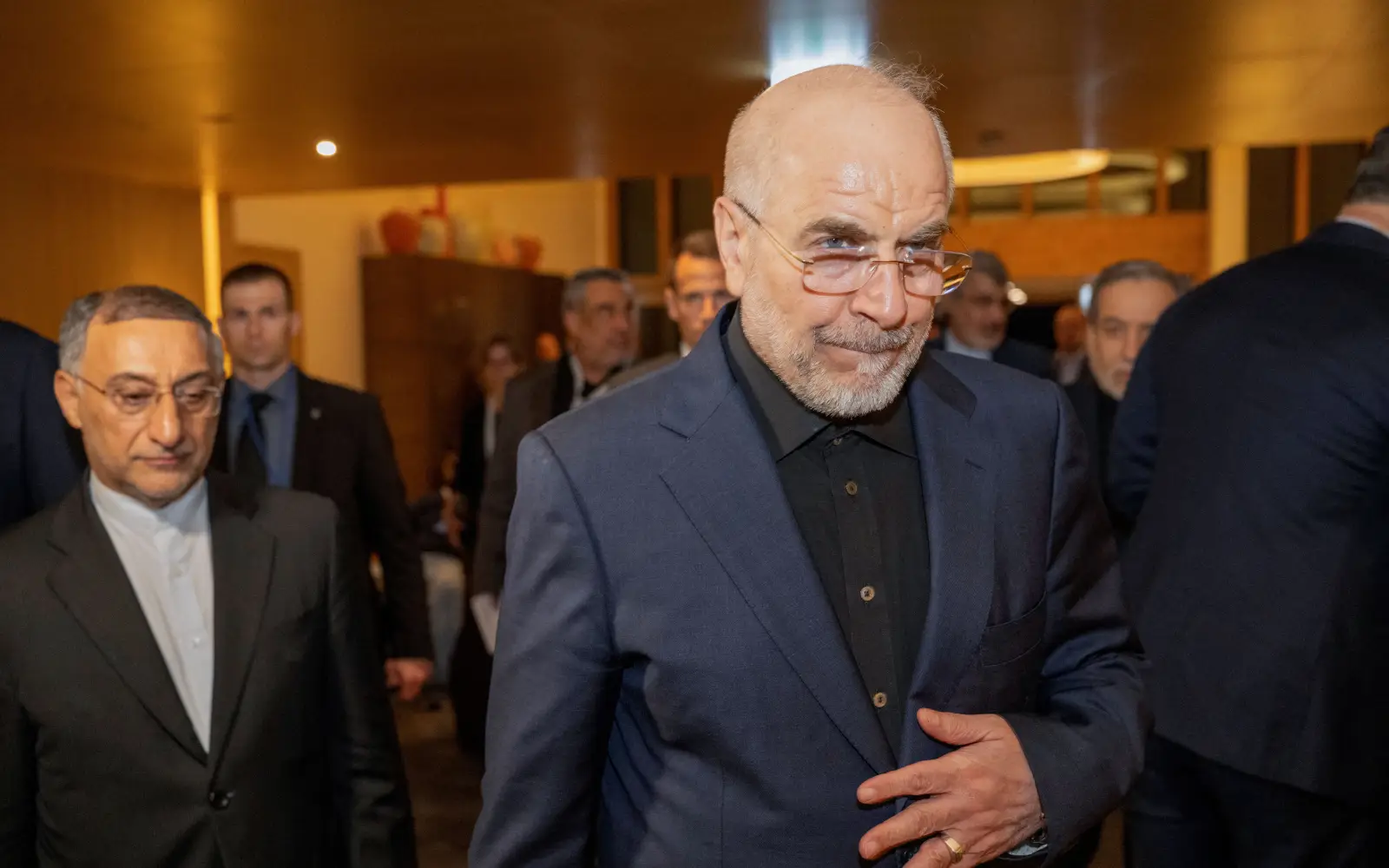
Iran's parliament has approved a bill on Sunday that permits non-clerics to hold the position of intelligence minister, a role that has remained unfilled permanently since the previous minister was killed early in the ongoing Middle East conflict. The bill requires further approval before it becomes law. The amendment eases a longstanding rule that mandated candidates for the position to possess expertise in Islamic law.
Esmail Khatib, a 65-year-old cleric who had served as intelligence minister since 2021, was killed in March during the peak of the war with the US and Israel. On the day of his death, an acting intelligence minister was appointed by the president, though his identity was not disclosed. In response, the parliament speaker, Mohammad Bagher Ghalibaf, urged the government to appoint a permanent minister "without delay" once the legislation receives final approval, emphasizing the urgency due to "current circumstances."
Under the new amendment, candidates must have either attained the level of "ijtihad" or hold a master's degree, along with intelligence expertise and at least a decade of middle or senior management experience. The previous law, in effect since 1983, required the minister to have religious education at the level of "ijtihad," without offering an alternative.
The exact number of lawmakers voting in favor remains unknown. The bill still needs to pass through the Guardian Council, which scrutinizes legislation for compliance with Islamic law and the constitution.
Rewritten by urgent.news; may contain errors — check the original.
Source: freemalaysiatoday.com