Insanely dangerous flaw in electric trailer braking system found after Claude reverse-engineers software
Using Claude, cybersecurity researchers discovered how nearby attackers could remotely activate trailer brakes, exposing weaknesses in connected vehicle safety equipment.
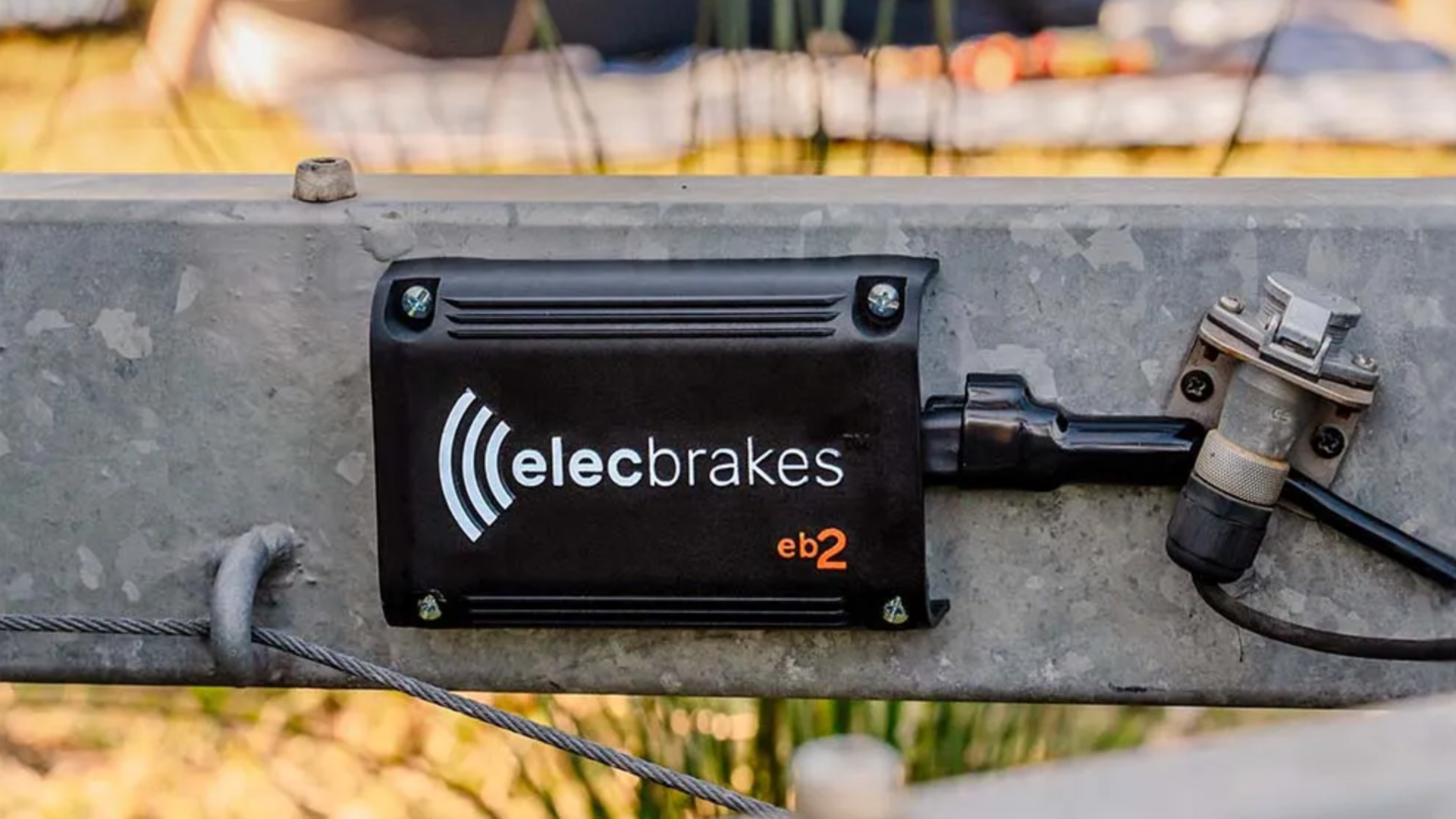
A potentially hazardous flaw in electric trailer braking systems was discovered after cybersecurity researchers utilized Claude, an AI-powered assistant, to reverse-engineer the software controlling these safety-critical components. Elecbrakes trailer controllers, which connect via Bluetooth, were found to allow nearby attackers to activate the brakes remotely without needing authentication or conventional pairing.
This alarming security vulnerability could enable strangers to control braking operations, posing a significant risk to road safety. After 10 months of investigation, Patrick Forck and Jeremy McCarthy, researchers from Element Digital, uncovered the Bluetooth flaw that allowed unauthorized access to the trailer braking systems. With Claude's assistance, the researchers developed tools to reproduce the problem, demonstrating that an attacker within Bluetooth range could communicate with the controller without any authorization.
The researchers were able to activate the trailer brakes at any selected force level, and they received confirmation that their commands reached the equipment. Although Elecbrakes released firmware updates to address the vulnerability in the EB2 and VM1 controllers, older models, such as the ELBC 2000, which is still in circulation, remain at risk.
Manufacturers have acknowledged the problem and advised customers to monitor future firmware corrections. While no injuries or property damage have been reported, this discovery highlights the need for rigorous security testing in connected vehicle accessories that control essential mechanical functions.
Rewritten by urgent.news; may contain errors — check the original.
Source: techradar.com