If You Were Planning to Tear the Copper Wiring Out of Your House After AI Destroys Your Job, We Have Bad News
It *was* a livin'.

For years, experts in the United States believed that copper served as an important indicator of the overall economy's well-being. Known as "Doctor Copper," this metal provided insights into various factors that influence economic trends, such as shifts in consumer demand, supply interruptions, and geopolitical risks. Along the street, scrapyards served as the frontline for this crucial commodity market, offering opportunities for legitimate and illicit traders to sell this ubiquitous metal for a few dollars.
However, for those hoping to use the metal to pay their rent following the potential job destruction caused by artificial intelligence, the prognosis for the US economy is becoming increasingly bleak. While copper was once a popular commodity in 2025, its value has rapidly declined over the past few weeks. Its price per pound recently plummeted by 17 percent from its brief peak in September, marking a significant drop coinciding with slowing projections for US industrial growth.
The decline in copper's price has been alarming, with the metal experiencing its worst weekly performance in almost a decade, according to Business Insider. This troubling trend suggests that the AI-powered data center construction boom, which has been driving the US economy, may be facing serious challenges. Despite recent positive news regarding Nvidia CEO Jensen Huang's return to the company, which has buoyed tech investors, the copper market tells a different story.
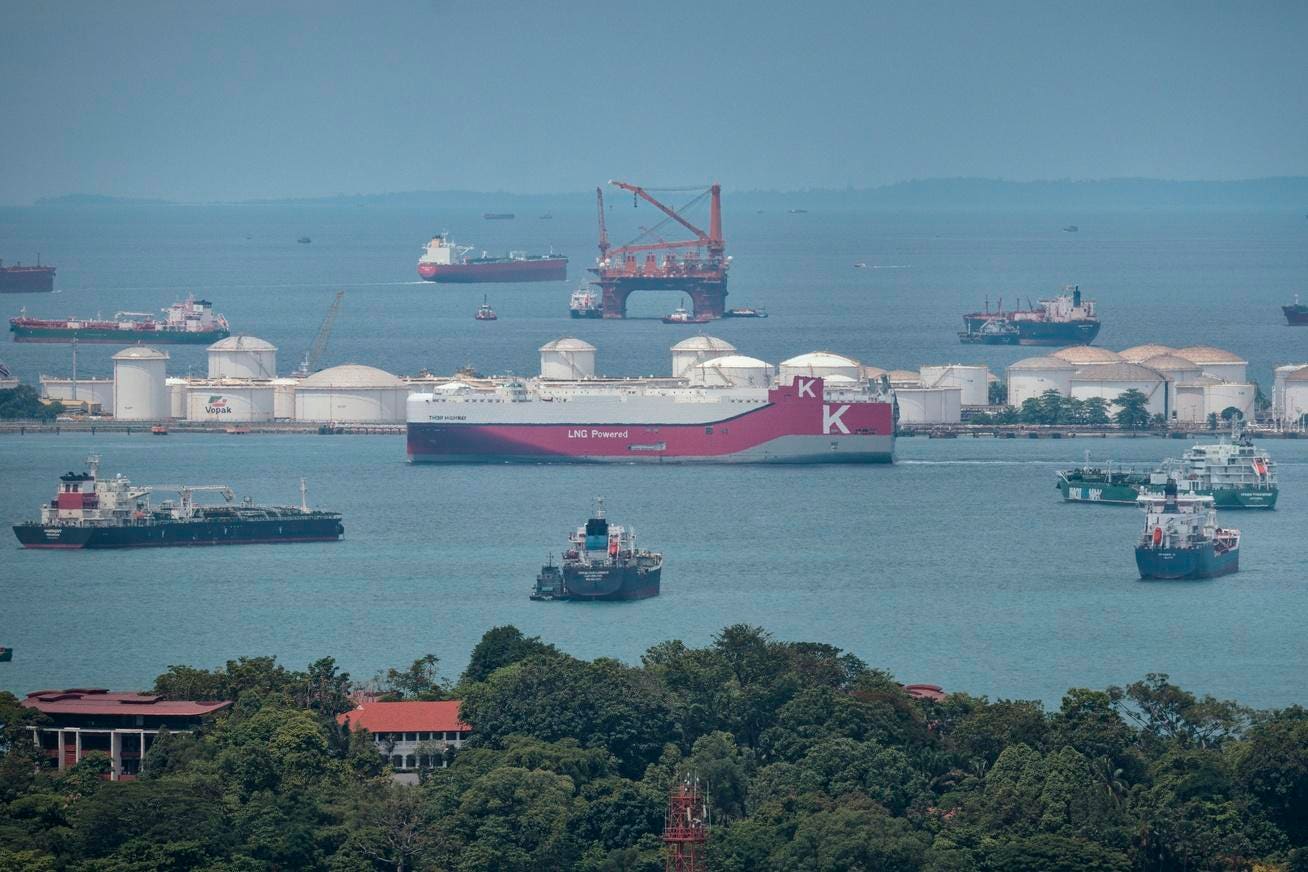
A market research firm, Renaissance Macro, has issued a warning, stating that recent indicators in the Bloomberg Industrials Metals Index are signaling a "warning sign for economic growth." Economist David Rosenberg further emphasized that the copper market, along with a recent downturn in the shipping and freight industry, are "flashing negative economic signals" as inflation continues to rise.
Rosenberg warns that if the US Federal Reserve attempts to alleviate this inflation risk and provide relief to the market, it could lead to a recession.
Rewritten by urgent.news; may contain errors — check the original.
Source: futurism.com