How North Korea built the world’s best army of hackers
It’s one of the poorest and most secretive countries on Earth, where most people have no access to the outside world. Even the elite few with phones or computers are limited to a censored intranet, and watching foreign TV shows or movies is a crime. So how did North Korea become the world’s most formidable …
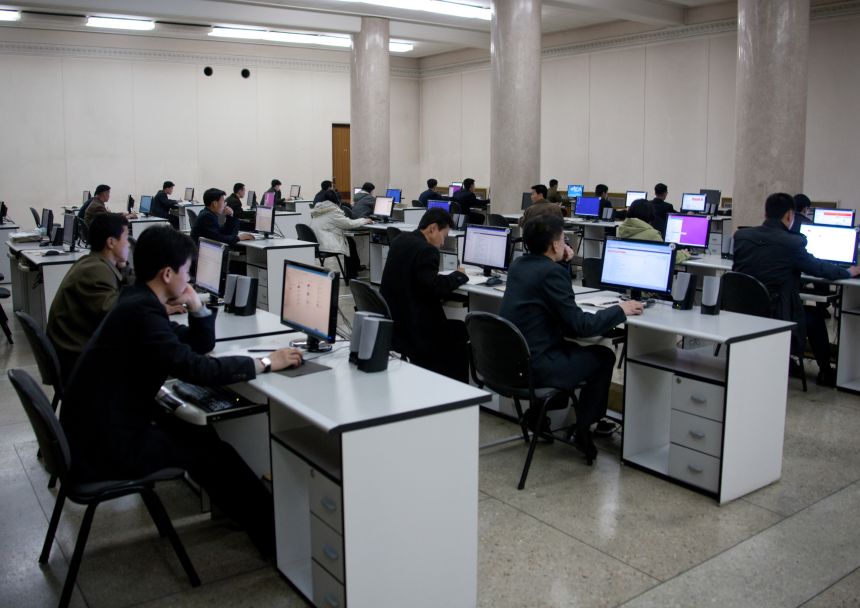
North Korea, a secretive and impoverished nation, has emerged as a formidable force in the world of hacking. Despite limited access to the outside world, the country has managed to amass a cyber militia that has carried out some of the most audacious attacks in recent years. In 2016, North Korea stole $81 million in cash from Sony Pictures, and more recently, it executed a massive heist, stealing $6 billion worth of cryptocurrency from Binance, the world's largest crypto exchange. Analysts estimate that Pyongyang has stolen a total of $13 billion through these thefts.
The North Korean government has invested heavily in building a cyber espionage unit, known as "Unit 121," which carries out cyberattacks on foreign banks, government institutions, and critical infrastructure. According to Nick Carlsen, a senior investigator at crypto-tracing firm TRM Labs, North Korea is "in a league of its own" when it comes to using a state-sponsored cyber-espionage unit for criminal activity.
This approach is unique among nations, as most countries focus on using cyber forces for intelligence gathering or defense purposes.
The North Korean government's cyber strategy began in the 1980s, under the leadership of Kim Il Sung. The ruler established a school for gifted students in Pyongyang, focusing on STEM subjects and foreign languages. Admission to this elite institution was highly competitive, with students selected through a rigorous screening process.
Graduates of the school underwent further training at military universities, with the most talented students sent abroad to countries like China and Russia to learn advanced programming and hacking skills.
Some of these cyber-savvy students even managed to secure exchange programs in Western nations, gaining valuable insights into global software systems, finance, and engineering during the early 2010s, when relations between North Korea and the West were more amicable. The very top students were then recruited into the military's infamous "Unit 121," which carries out cyberattacks on orders from the regime.
This systematic approach to developing a cyber army has allowed North Korea to amass a formidable hacking force that poses a significant threat to global cybersecurity.
Rewritten by urgent.news; may contain errors — check the original.
Source: egyptindependent.com