Galamsey is costing Twifo Oil Palm Plantation its workers and its water, MD says
TOPP managing director Daniel Kojo Nyame says trained harvesters keep leaving for galamsey, and the polluted Pra River is no longer a backup water source.
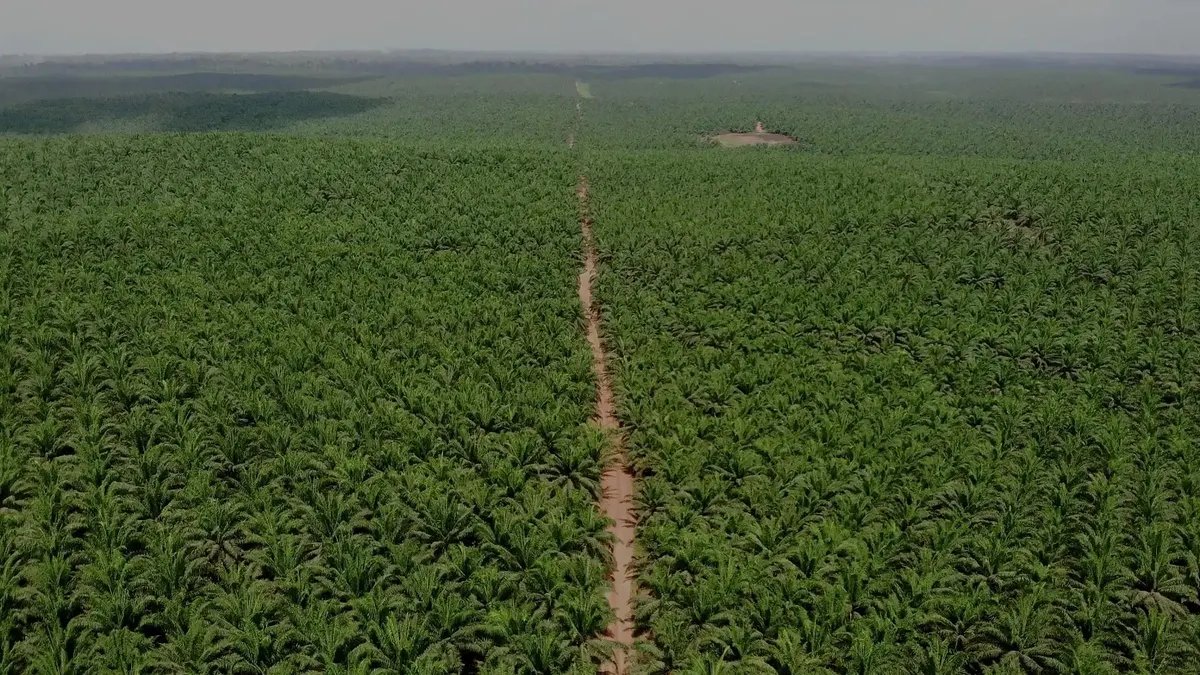
Illegal mining activities are causing Twifo Oil Palm Plantation to lose trained workers and face water shortages, according to the company's managing director, Daniel Kojo Nyame. Speaking to the Oil Palm Development Association of Ghana (OPDAG), Nyame revealed that the plantation trains workers in harvesting, pruning, and mechanics, but they are increasingly attracted to illegal mining, also known locally as "galamsey."
The company's capacity has dropped to 50% of the target 80%, due in part to workers leaving for mining. The polluted Pra River, which used to serve as a backup water source, is no longer suitable for the plantation's needs. The company now draws water from a smaller source, but this has also become problematic due to illegal mining activities.
Nyame called for strict measures against illegal mining and criticized the use of smuggled palm oil, which is significantly cheaper than locally produced oil. Smuggled oil costs almost 20% less than what local buyers pay for home-produced oil, forcing the plantation to give heavy discounts to attract buyers, which in turn affects their fair payment to farmers.
The district chief executive and security team helped clear illegal miners from the plantation. The company relies on outgrowers from three districts, including Upper Denkyira and Twifo Atti-Morkwa, for about 40% of its fruit supply. Oil palm has been suggested as a potential solution to reclaim degraded mine sites, with the head of the Tree Crops Development Authority proposing its use for this purpose.
President John Dramani Mahama will chair a meeting on December 1 to review the government's strategy against illegal mining.
Rewritten by urgent.news; may contain errors — check the original.
Source: 3news.com