EXPLAINER | Duterte at ICC: Inside the Defense's trial brief -- Should Duterte's crimes be prosecuted in PH?
In the third part of this Explainer series, GMA News Online looks into the major points raised by the Defense team of former president Rodrigo Duterte regarding the charges of crimes against humanity filed against him before the International Criminal Court for the killings that occurred during the war on drugs while he was president and before that, while he was mayor of Davao City.
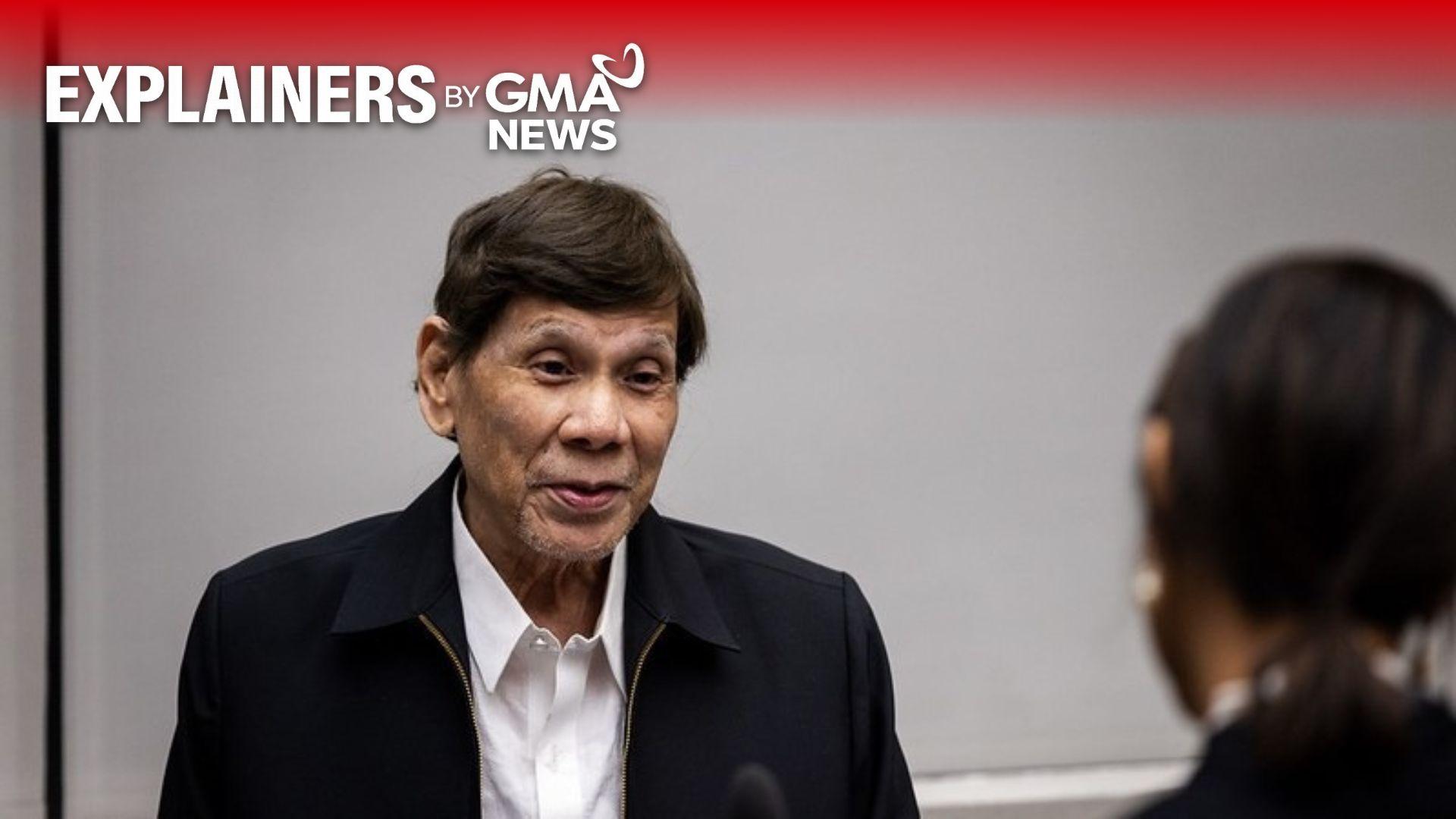
In The Hague, the Defense team of former Philippine President Rodrigo Duterte has submitted a 77-page Pre-Trial Filing challenging the prosecution's case against him for crimes against humanity during his anti-drug campaign. The filing argues that a democratically elected leader cannot be legally charged with waging a state-sponsored attack against the civilian population that elected and supports them.
The Defense contends that the 56 charged incidents and 85 murder counts presented by the Prosecution do not meet the threshold for crimes against humanity under Article 7 of the Rome Statute. They argue that the selection of these incidents is arbitrary and lack statistical justification. The Defense also questions the Prosecution's understanding of "alleged criminals," stating that they do not share a collective identity.
Furthermore, the Defense maintains that the "civilian population of the Philippines" was never targeted, asserting that 99.9% of the population was not attacked. They reference UNODC data showing the Philippine homicide rate was lower than the global average during the charged period. The Defense challenges the Prosecution's claims regarding the alleged "Davao Death Squad" and state-level criminal network, stating that there is no documentary, photographic, or forensic evidence to support the existence of such a formal organization.
They argue that the term "National Network" was created by prosecutors as a catch-all phrase. The Defense claims that Duterte lacked the absolute control required to enact a state policy of criminality due to the existence of constitutional checks and balances in a democratic state. They also allege that the ICC investigation originated from a filing by lawyer Jude Sabio and former Senator Antonio Trillanes IV, with the ICC interviews of political opponents conducted in exchange for immunity.
The Defense contends that the Prosecution's testimonies are plagued by hearsay, contradictions, and unverified mass grave claims.
Rewritten by urgent.news; may contain errors — check the original.
Sources: gmanetwork.com · theguardian.com