Experimental copper drug restores brain waste pumps and improves memory in animal model of Alzheimer’s
A compound that delivers copper to cells may help flush toxic proteins from the brain. In a mouse model of Alzheimer's disease, the treatment increased protective blood vessel pumps and restored long-term spatial memory.
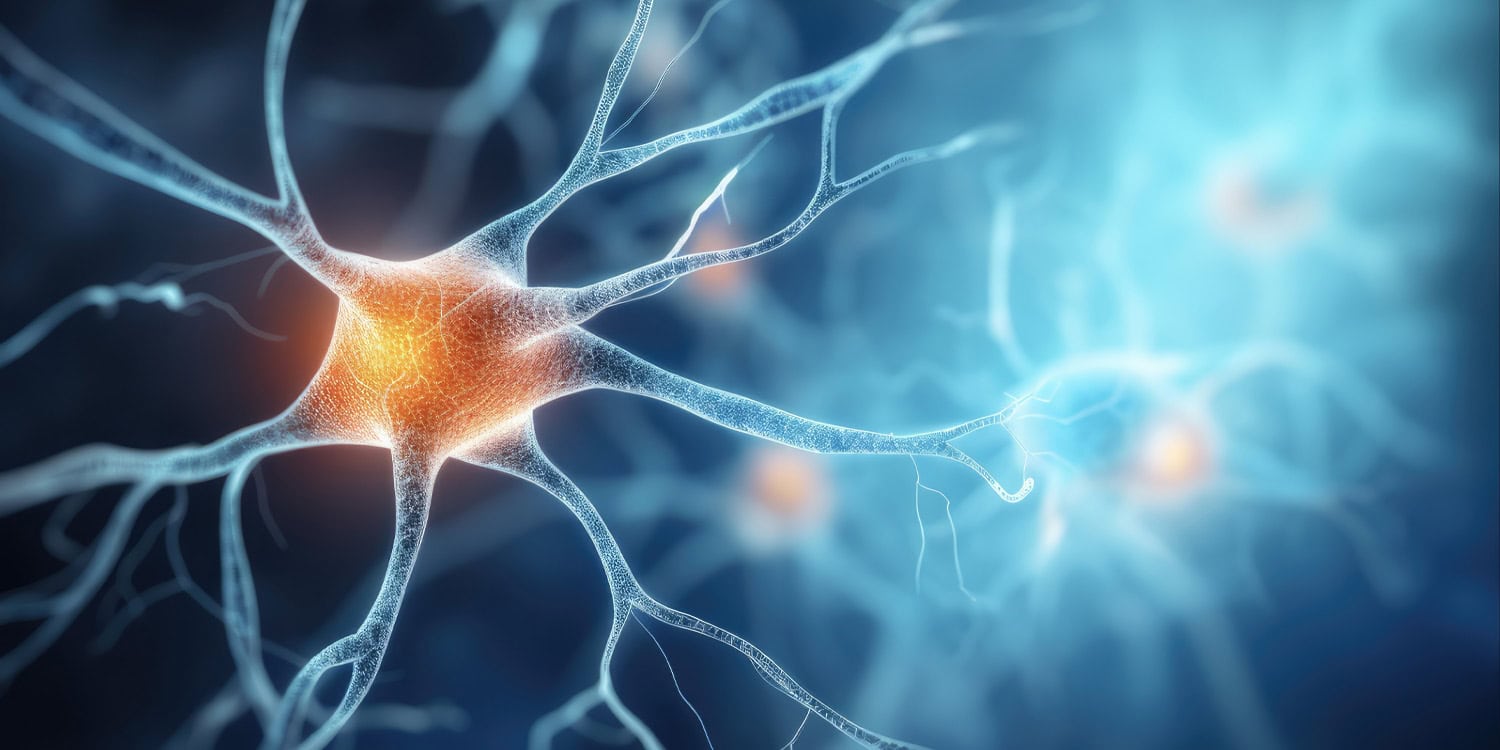
A novel copper-based medication has been demonstrated to restore the functionality of brain waste disposal systems and enhance memory in mice exhibiting Alzheimer's disease. The study, published in ACS Chemical Neuroscience, suggests this drug as a potential novel approach to tackling neurodegeneration. Alzheimer's disease is marked by the accumulation of toxic amyloid-beta proteins, which form insoluble plaques between nerve cells and disrupt normal brain function, leading to cell death.
A crucial component in eliminating these proteins is the blood-brain barrier, a protective network of blood vessels containing the P-glycoprotein, a molecular pump that actively transports waste molecules, including amyloid-beta, out of the brain and into the bloodstream for elimination. In Alzheimer's patients, P-glycoprotein levels in the blood-brain barrier are significantly reduced, contributing to the accumulation of toxic plaques.
Researchers have been exploring a copper-delivering compound called Cu(ATSM), which can increase P-glycoprotein levels in isolated cells. In this study, researchers from Monash University and the University of Melbourne in Australia investigated whether this compound could restore the biological pumps in living animals. They utilized genetically modified mice that produce human amyloid-beta and develop Alzheimer's symptoms, comparing them to a control group of healthy mice.
Half of the animals in each group received a daily dose of Cu(ATSM) for 56 days, while the other half received a placebo. After the treatment period, the researchers analyzed the amount of P-glycoprotein in the brain tissue of the animals. The Alzheimer's mice treated with Cu(ATSM) exhibited a 24% increase in P-glycoprotein levels compared to the untreated group, partially restoring the missing biological pumps.
The drug also reduced amyloid-beta concentration in the brain cortex, the outer layer of the brain involved in memory processes, by 42% compared to untreated mice. Although the drug did not significantly improve the transport of radioactive amyloid-beta out of the brain, the treated Alzheimer's mice showed improved learning and long-term spatial memory in behavioral tests, finding the escape box 44% faster and making fewer errors than the untreated mice.
This study indicates that Cu(ATSM) could potentially be a promising new approach to address neurodegeneration in Alzheimer's disease.
Rewritten by urgent.news; may contain errors — check the original.
Source: psypost.org