El Niño puts agricultural workers, domestic animal herd at risk — DA
Agriculture Undersecretary U-Nichols A. Manalo said extreme heat poses risks to the health of agricultural workers and livestock,…
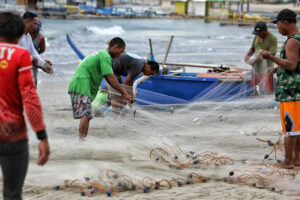
El Niño is causing significant risks to agriculture, livestock, and fisheries in the Philippines, according to Agriculture Undersecretary U-Nichols A. Manalo. Extreme heat is hazardous to the health of agricultural workers and livestock, leading to increased pests, diseases, and fish kills in capture fisheries due to low oxygen levels.
To address these issues, solar-powered aerators have been distributed, but proper stocking of fingerlings remains crucial. The climatic conditions necessitate a closer examination of feeding management for fisheries, livestock, and poultry, as improper feeding or ventilation can result in many animals dying. As of November 20, livestock and poultry losses due to El Niño amounted to P40.95 million, while fisheries losses reached P20.38 million, based on the Department of Agriculture’s Disaster Risk Reduction and Management Section (DRRM).
Farmers and fisherfolk are also at risk due to working in extreme heat. Many farmers have adjusted their planting schedules to early morning and late afternoon, but fishermen working offshore face critical challenges, including the need for proper hydration and shelter during peak hours. Oceana Philippines reported that fisherfolk in Negros Occidental have experienced skin and eye damage due to El Niño.
Shifts in migratory fish patterns have further complicated matters, with some species forced deeper underwater due to rising ocean temperatures. Although fuel subsidies have been implemented, Mr. Manalo noted that the per-fisherman amounts are insufficient, as one round trip offshore is not entirely covered. The Department of Agriculture (DA) and Bureau of Fisheries and Aquatic Resources (BFAR) are exploring ways to diversify fisherfolk livelihoods, suggesting that planting could be a viable alternative if offshore fishing becomes unfeasible.
Rewritten by urgent.news; may contain errors — check the original.
Source: bworldonline.com