Caldo de res; ¿qué carne es la mejor para prepararlo?
Si tienes antojo de un caldo de res casero, te decimos qué carne comprar para que te quede con una textura jugosa y suave
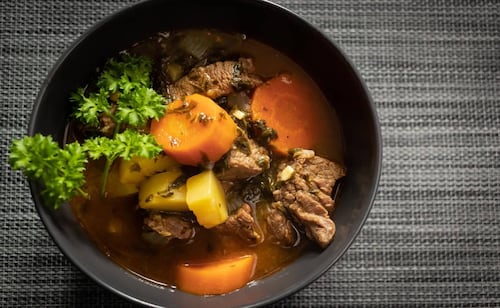
Caldo de res is a comforting dish, especially during cold days, made with fresh vegetables, cilantro, and lemon. The key to a rich, aromatic broth lies not only in the type of meat but also in the cut purchased for body. Menú suggests the best options for this purpose.
Traditional caldos and pucheros require cuts from anatomical parts with lots of bone, cartilage, and connective tissue, which need prolonged cooking. Collagen from tendons and around bones turns into natural gelatin during the cooking process, preventing the meat from drying out or becoming fibrous and giving the broth a rich, creamy texture.
For preparing a caldo, the best cuts of res are:
Chambarete: Obtained from the lower part of the leg, it combines lean meat, tendons, and a central bone with marrow, giving a unique flavor.
Costilla cargada or costilla de res: Ideal for those seeking a more intense, robust profile. The fat interspersed among the fibers and direct contact with the bone enrich the broth, while the meat separates easily once fully cooked.
Retazo con hueso: The traditional, accessible, and rewarding option, usually made from scraps of different parts of the animal (such as shank or neck), rich in bone and meat. Falda or pechuga de res: Although they lack bone, these fibrous cuts require long cooking times and provide very juicy, easily deshelled meat.
When buying these cuts at the butcher's shop, inform them of the type of meat you need, asking for pieces of similar sizes to ensure they all soften at the same time. Check that the meat has a natural red color, a firm texture, and small patches of fat distributed inside, known as marmoleo, which helps the meat stay juicier and tastier.
Rewritten by urgent.news; may contain errors — check the original.
Source: eluniversal.com.mx