BUSINESS REFLECTION: Crossed Wires: The troubling nationalisation of Big Tech
When the executive branch becomes the ultimate market maker – capable of erasing or restoring hundreds of billions in market capitalisation with an Oval Office speakerphone call – the traditional boundaries between the free market and the state cease to exist.
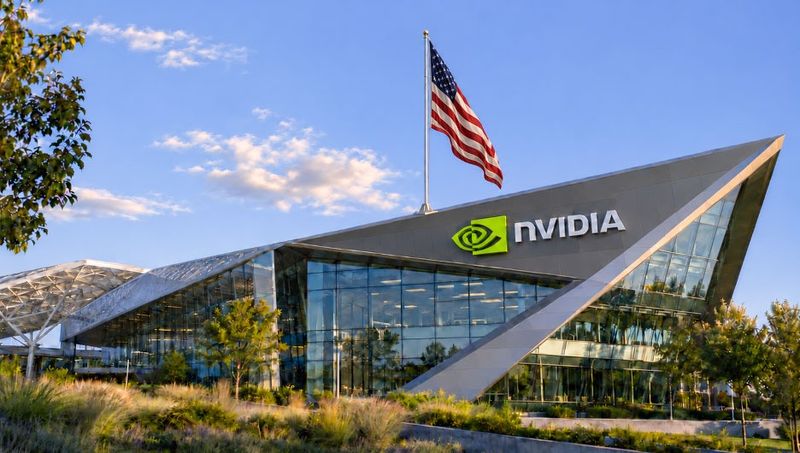
The issue of state capture in the technology sector has become increasingly concerning, with the recent intervention of President Trump in Nvidia's boardroom serving as a stark reminder of the threat. Trump's ability to influence the company's decisions through a simple phone call highlights the blurred lines between the free market and the state. This situation raises questions about the future of Big Tech and the potential for executive intervention to become the norm.
The consequences of such a scenario are far-reaching. State capture could lead to a situation where the Department of Commerce wields regulatory power as a political tool, granting waivers to compliant companies while reclassifying competitors' products as threats overnight. This creates an uneven playing field that favors those who align with the administration's priorities.
Furthermore, the Pentagon could wield increasing influence over Silicon Valley giants, using their defence contracts as leverage to gain regulatory protection for their own projects.
The most troubling aspect is the erosion of corporate governance. Boards, which traditionally represent shareholders and enforce fiduciary duty, may be rendered obsolete by the threat of executive retaliation. This could result in untouchable CEOs who are insulated from market pressures and held accountable only by political patronage.
Moreover, this trend represents a disturbing reversal of US foreign policy. For years, the US has condemned state-directed capitalism, warning that innovation thrives when free from political meddling. However, the current situation with Nvidia suggests that the US may have inadvertently embraced the very model it once condemned. The company's fortunes now depend on its leader's ability to flatter the Oval Office, effectively adopting a state-directed capitalism model.
Rewritten by urgent.news; may contain errors — check the original.
Source: dailymaverick.co.za