As Diyarbakır’s ancient walls undergo restoration
Parts of Diyarbakır’s ancient walls, a UNESCO World Heritage Site, appear to have been patched up with concrete blocks during restoration, as though someone were building a garden wall. The patches are visible even to the naked eye.
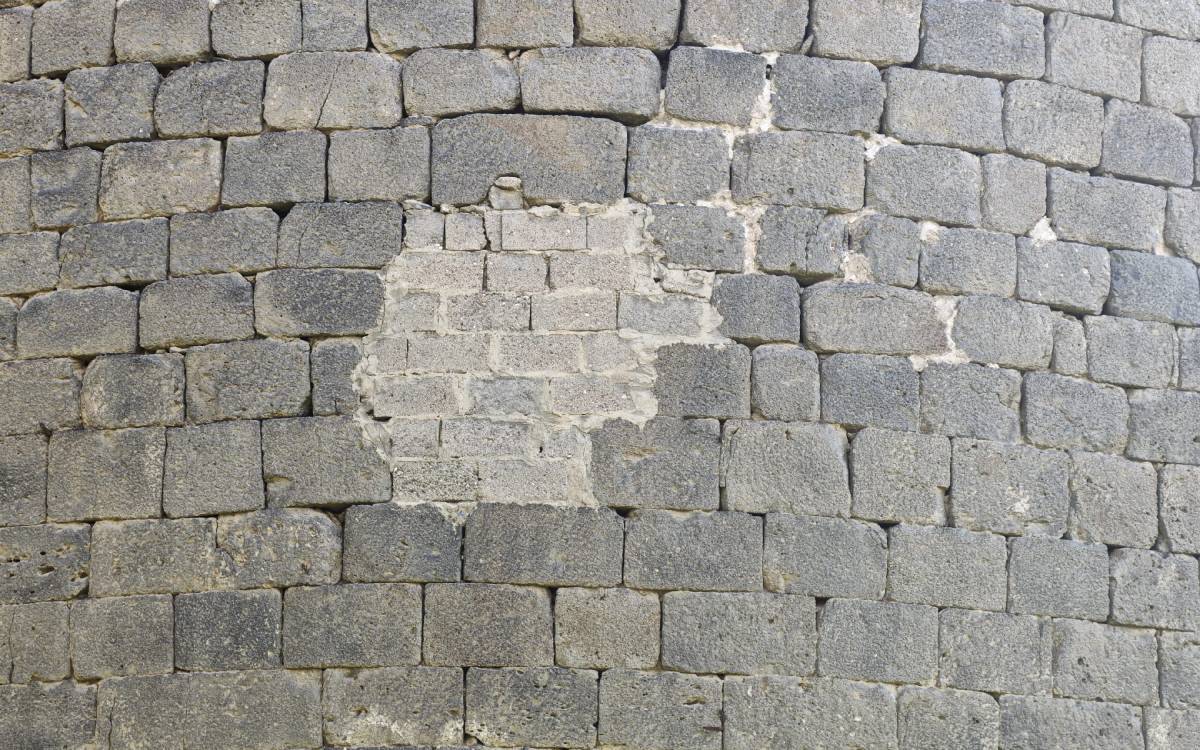
Diyarbakır's ancient walls, a testament to a rich history spanning thousands of years, are currently facing a restoration crisis. These historic walls, which have undergone numerous repairs throughout their existence, have been listed as a UNESCO World Heritage Site since 2015. However, recent efforts to restore the walls have reportedly stalled for the past two years, despite the presence of protective barriers.
Observers have noted that parts of the walls have been repaired using concrete blocks, creating sections that appear to have been filled in, rather than carefully restored. This patchwork repair of the ancient walls is particularly troubling given the walls' designation as a UNESCO World Heritage site. UNESCO's commitment to heritage preservation suggests that such a significant historical monument should be treated with the utmost care and attention.
The responsibility for protecting and restoring the Diyarbakır walls falls on several institutions, including the Governor’s Office, the Metropolitan Municipality, district municipalities, and various civil society organizations. The original walls were constructed from basalt, a volcanic rock that forms stone as hard as granite. This natural material is integral to the city's architecture and character, and its preservation should be a top priority.
The use of concrete blocks to repair the walls, rather than basalt, is seen as an insult to the city's historical and cultural heritage. It raises questions about the understanding of heritage preservation and the responsibilities of both institutions and individuals in safeguarding our shared history. It is crucial that all stakeholders come together to address this issue and ensure that the Diyarbakır walls are restored in a manner that respects their historical significance and cultural value.
Rewritten by urgent.news; may contain errors — check the original.
Source: bianet.org