A Complete Guide to the Global Crackdown on Meta Smart Glasses
Don’t want some creep filming you with smart glasses? You’re not alone. From the US to Australia, businesses and other institutions are restricting the use of smart glasses like Ray-Ban Meta specs.
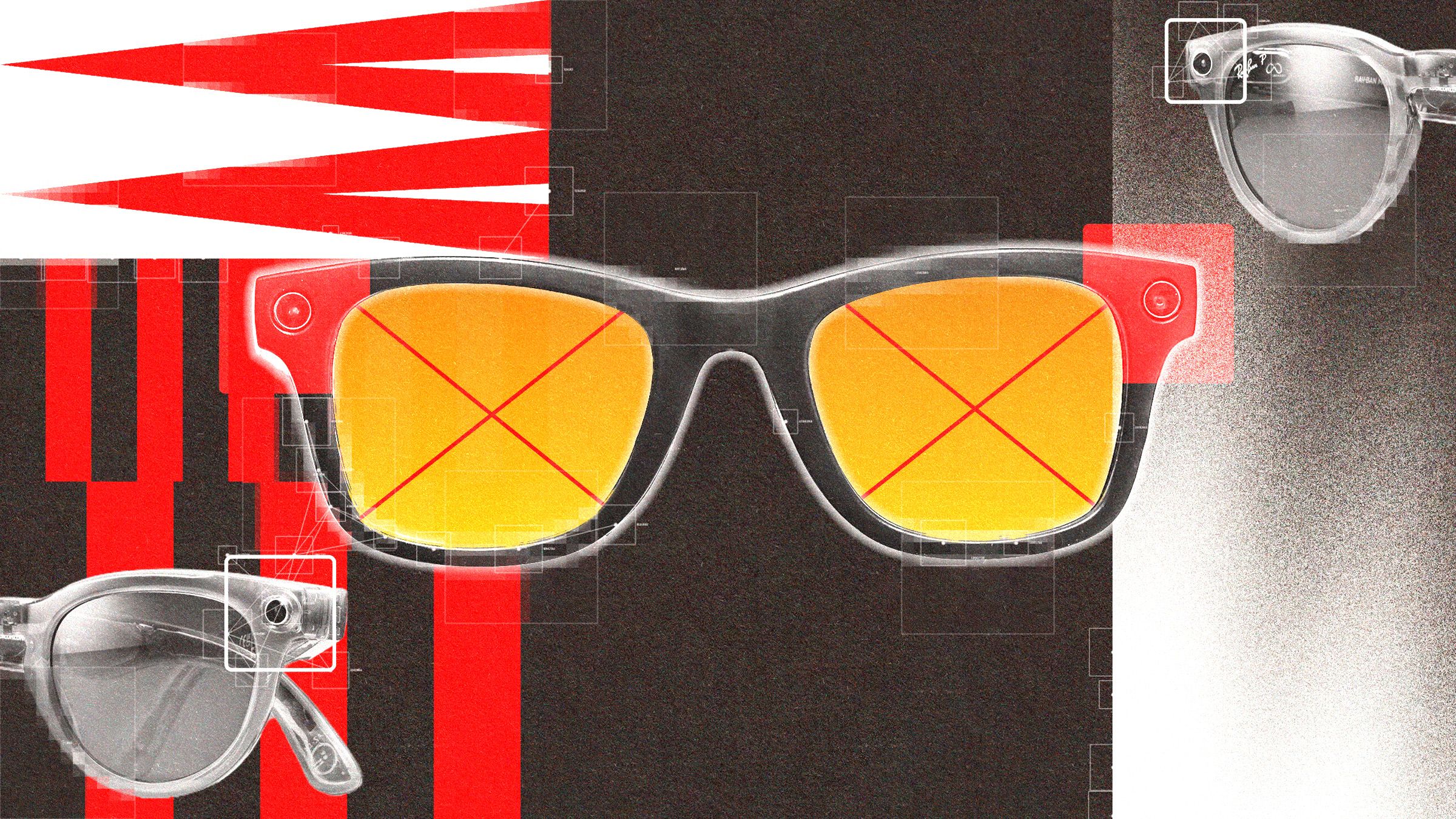
In recent years, governments, schools, courts, and businesses worldwide have been cracking down on the use of smart glasses, particularly Meta's Ray-Ban glasses. The controversy surrounding these devices stems from their ability to surreptitiously film people in public without their consent, often leading to the dissemination of such footage online.
Despite Meta's Ray-Ban glasses becoming increasingly popular since the mid-2010s, concerns about privacy and potential misuse of AI-enabled devices have not diminished. As millions of Meta's smart glasses have been sold over the past year, the technology has seen a partial resurgence following the "glasshole" era of the early 2010s.
Competitors like Google and Apple are also developing camera-equipped augmented reality glasses, further fueling the debate.
The backlash against smart glasses has led to multiple warnings and the consideration of bans or restrictions by regulators and countries around the globe. Critics argue that the widespread use of these devices could result in an invasion of privacy, with people constantly filming and recording each other, often without permission.
This phenomenon has sparked concerns about the implications of AI-enabled devices in public spaces. Liz Hunter, who initiated a Stop Smart Glasses campaign in the UK, emphasized the need for governments and lawmakers to take these issues seriously. She highlighted the potential consequences of living in a world where everyone is constantly spying on one another, recording sensitive content, and sharing it without consent.
Meta, the company behind the Ray-Ban smart glasses, has defended its technology as useful and acknowledged that certain places should not be filmed at all. They argue that the glasses provide benefits such as music listening, live translation, hands-free calls, and assistance for people with visual impairments. However, Meta also recognizes the importance of applying existing rules consistently and limiting the use of smart glasses in locations where privacy and safety concerns are paramount.
While many countries are still grappling with how to regulate smart glasses and AI technology in general, some businesses and public entities have taken matters into their own hands. They have implemented restrictions on the devices within their premises, citing privacy and safety concerns. Over two dozen places have announced or updated their policies regarding smart glasses, with restrictions coming into effect or being announced between November 2026 and September 2026.
These restrictions primarily target public spaces like swimming pools, libraries, cultural venues, retail stores, music venues, schools, and film festivals. The bans primarily aim to prevent unauthorized filming, protect privacy, and maintain a sense of safety and consent in public spaces.
Rewritten by urgent.news; may contain errors — check the original.
Source: wired.com