8,500-year-old settlement discovered in Egypt’s Western Desert
Dubai: An Egyptian-Italian archaeological mission has uncovered an 8,500-year-old human settlement in Egypt’s Western Desert, revealing new evidence of prehistoric communities that lived in the region when the Sahara was considerably wetter than it is today. The discovery, made on the Rajih Plateau in the Farafra Oasis, is among the largest prehistoric residential settlements identified in…
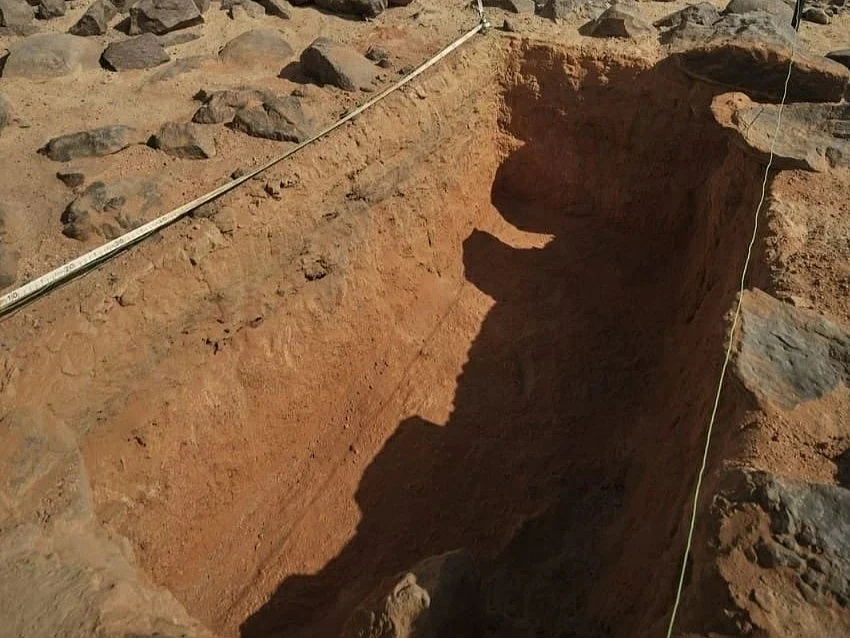
An international archaeological team has unearthed a 8,500-year-old settlement in Egypt's Western Desert, providing new insights into prehistoric communities that thrived in the region when the Sahara was significantly more humid. The site, located on the Rajih Plateau in Farafra Oasis, is one of the largest prehistoric residential settlements discovered in Egypt's Western Desert.
The discovery, made by an Egyptian-Italian mission, includes over 200 features such as stone structures, hearths, and an abundance of stone tools. Preliminary findings suggest the settlement dates to the middle Holocene period, approximately 8,500 years ago, and was inhabited by a stable, organized community rather than a transient camp.
The arrangement of stone structures, hearths, and surrounding artifacts indicates regular domestic activities, while the settlement's size and layout suggests sustained human occupation. The area offers valuable insights into how prehistoric communities adapted to the far less arid conditions of the Sahara during the Holocene era, when vast parts of the desert were more hospitable to human habitation.
Rewritten by urgent.news; may contain errors — check the original.
Source: gulfnews.com