Winter power cuts: How to keep Spanish homes warm and safe
European households are being encouraged to prepare for emergencies lasting at least 72 hours, but residents in Spain can take […]
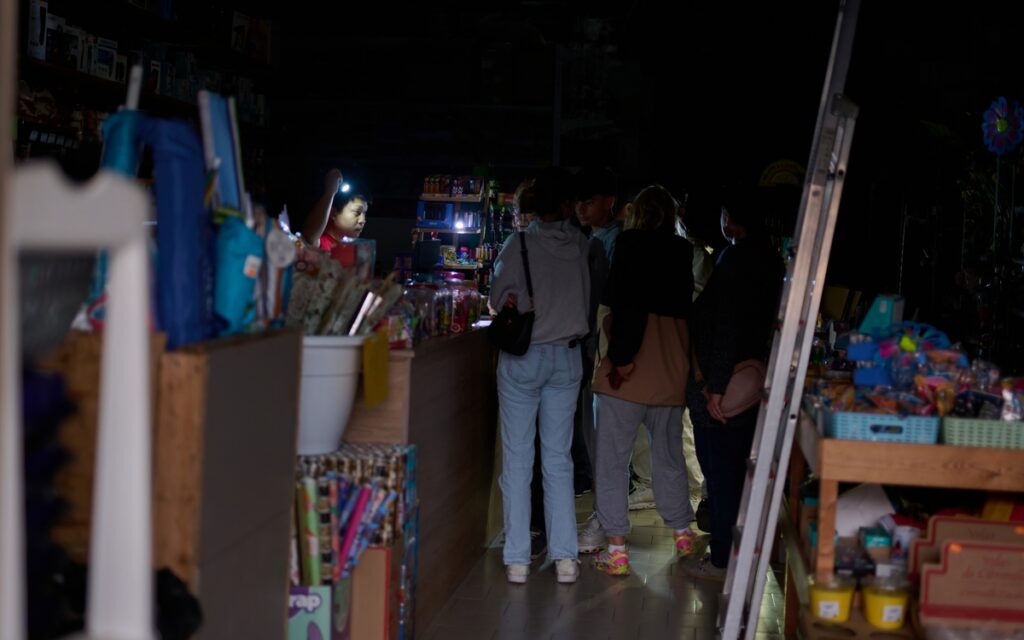
Spain faces the risk of nationwide power cuts during winter. The European Commission released new preparedness guidelines in November 2026, advising households to be self-sufficient for at least three days. Many homes in Spain rely on electricity for heating, cooking, and everyday appliances, so even a brief outage can lead to significant inconvenience. During the nationwide blackout of 2025, a 16-hour power failure in Axarquia left several towns without electricity.
To stay warm during a power cut, residents should gather extra blankets, warm clothing, and suitable bedding. Closing doors to unused rooms and keeping windows shut can also minimize heat loss. However, using alternative heating equipment inside the home is dangerous and can cause carbon monoxide poisoning. Residents should never bring barbecues, camping stoves, or outdoor heaters indoors.
Keeping a torch, spare batteries, and a charged power bank in an accessible location is a good precaution. Battery-powered radios can also provide access to news and emergency information if internet or mobile networks are affected. Electricity distributor e-distribución advises households not to open refrigerators and freezers unnecessarily to maintain food coldness. Unplugging appliances that were on when the outage occurred can prevent equipment from restarting unexpectedly when power is restored.
Residents should also check if their neighbours or street lighting are affected, which can help determine if the issue is localized or widespread. Keeping drinking water, non-perishable food, essential medicines, cash, and important contact numbers within easy reach is essential. People relying on electrically powered medical equipment should discuss backup plans with their healthcare providers before an outage occurs.
Older neighbors and those living alone may require additional assistance, especially in rural areas where response times can be longer. Checking in on them during daylight hours is recommended. The 72-hour preparedness guidance from Europe is meant to encourage households to take proactive steps rather than signaling an impending major blackout. A little preparation before winter arrives could make a significant difference if the lights suddenly go out.
Rewritten by urgent.news; may contain errors — check the original.
Source: euroweeklynews.com