Will my glacier go extinct? Interview with Lander Van Tricht
In mid-October, Lander Van Tricht received a message from a woman. She had visited a glacier when she was 10 years old and, according to a tool that Van Tricht had developed, that same glacier was now expected to go extinct in less than 40 years. Instances of public engagement like these were exactly what […]
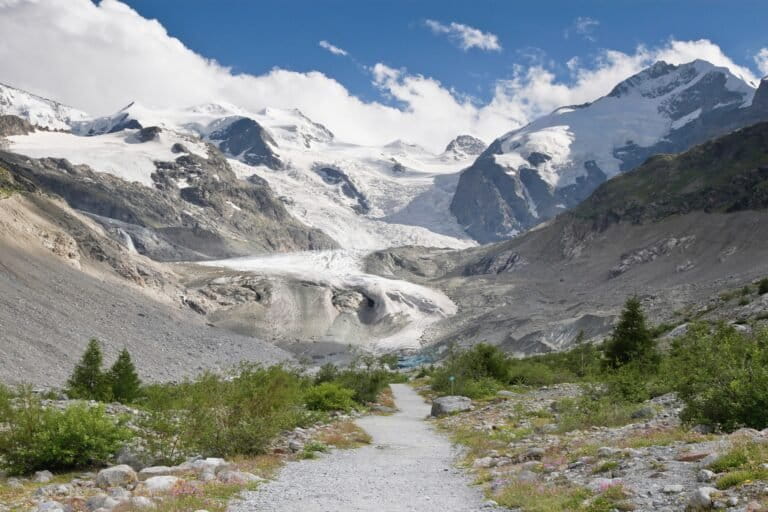
In mid-October, Lander Van Tricht engaged in a conversation with a woman who recounted her childhood visit to a glacier. Using a tool that Van Tricht had developed, it was revealed that the same glacier was projected to become extinct within forty years. This interaction exemplified the purpose behind Van Tricht's creation of the Global Glacier Extinction Explorer, an interactive platform he sought to share scientific findings beyond the academic realm.
Van Tricht, a postdoctoral researcher at ETH Zürich and Vrije Universiteit in Brussels, spoke to Mongabay about the tool in a video interview. The tool, grounded in the 2026 study published in Nature, uncovers the alarming rate at which glaciers are disappearing. Even under a scenario with a 1.5°C temperature increase above pre-industrial levels, half of Earth's glaciers would vanish.
Surprised by the rapidity of these changes, Van Tricht hopes the tool will aid in translating scientific research to the general public and assist communities worldwide in preparing for a future devoid of glaciers.
Rewritten by urgent.news; may contain errors — check the original.
Source: news.mongabay.com