‘We have no money.’ Iran’s president admits U.S. economic warfare is far more difficult than destruction caused by missiles
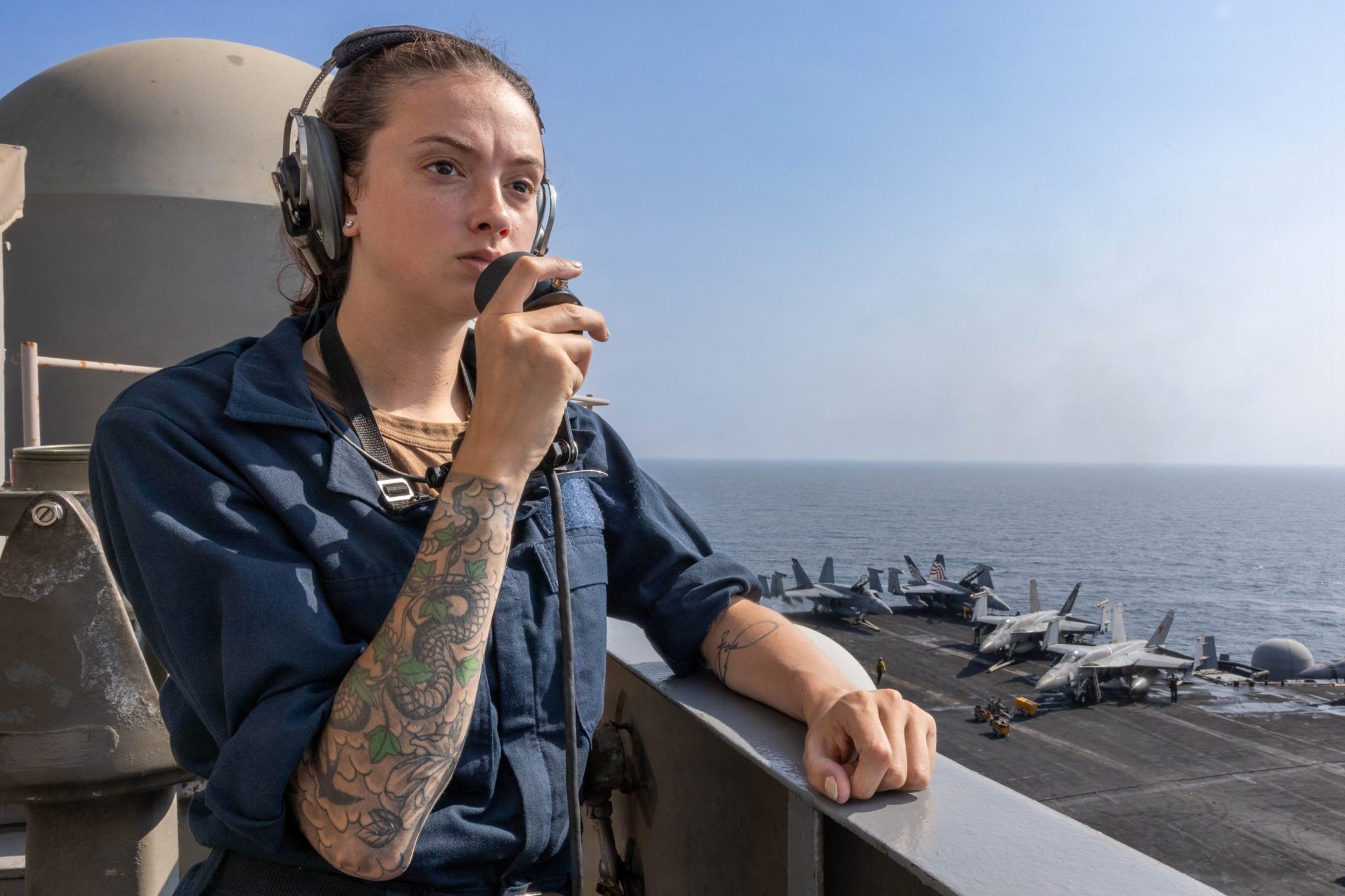
Iran's president, Masoud Pezeshkian, has admitted on national television that the country is facing an "economic war" caused by the U.S. naval blockade, which he says is far more challenging than combat operations. The 137-day blockade has prevented Iran from exporting oil, crippling its primary source of revenue and foreign currency.
Imports are also restricted, and the U.S. has intensified its crackdown on trade via land routes. In response, the Iranian government has slashed subsidies for food, fuel, and electricity, leading to widespread suffering among consumers, with inflation nearing 90%. The currency has plummeted to fresh lows, hitting 2.99 million rials per dollar.
The regime has had to ration power and other resources, with the state electricity company initiating rolling blackouts. State-backed media has reported protests over flour shortages in several provinces, and retirees and labor unions have also taken to the streets. Despite the unrest, experts believe it may not be powerful enough to threaten the regime's hold on power.
However, the economic strain on Iran's military has become so severe that militia groups across the region are withholding payments to their soldiers to support the Islamic Revolutionary Guard Corps (IRGC), which is also failing to pay its troops. Iran has warned that the current situation is untenable and has intensified attacks on commercial shipping in the Persian Gulf.
However, the flow of oil remains near prewar levels, as Iran's neighbors export crude under the protection of the U.S. military.
Rewritten by urgent.news; may contain errors — check the original.
Source: fortune.com