Was the Holodomor a genocide? The three objections, and why they fail
The famine that killed 3.9 million Ukrainians was intentional and targeted them specifically, archives show
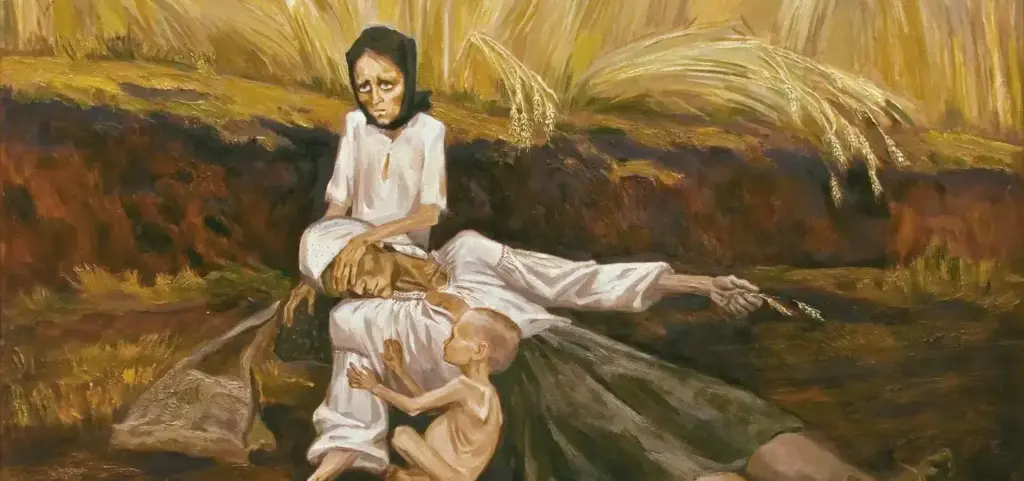
The debate over whether the Holodomor, the famine inflicted by Stalin's regime on Ukraine between 1932 and 1933, should be classified as genocide has persisted for decades. Three main objections have been raised to categorize the Holodomor as genocide, yet each one fails to withstand scrutiny when examined closely.
The first objection posits that the famine was not a deliberate act but rather an unintended consequence of a poor harvest and the Soviet Union's policy of collectivization. Proponents of this view argue that Stalin was more concerned with industrialization rather than the well-being of the peasants. However, the Genocide Convention does not require that a regime's intent to destroy a group be born from malicious hatred; rather, it only demands that the regime intended to commit the act.
The record clearly demonstrates that the starvation resulting from the famine was an intentional choice made by Stalin and his administration, making the first objection unfounded.
The second objection claims that the victims of the Holodomor were primarily peasants, and thus not Ukrainians as a national group. While it is true that the famine predominantly impacted Ukrainian peasants, the Genocide Convention does not stipulate that victims must belong to a distinct national group. The famine's victims were Ukrainians in the sense that they were citizens of Ukraine and experienced the devastating effects of the famine as a nation. Therefore, the second objection is likewise unfounded.
The third objection asserts that other populations also suffered from starvation during this period, thereby negating the idea that the Holodomor was a targeted genocide against Ukrainians. Although it is accurate that other groups faced hunger and hardship during the same time, the Genocide Convention is concerned with the destruction of national, ethnic, racial, or religious groups as such.
The unique context of the Holodomor—where the goal was to eliminate a specific national group—the Ukrainian people—makes it a clear case of genocide, regardless of the suffering experienced by other populations.
In conclusion, the three objections to labeling the Holodomor as genocide fail to hold up under scrutiny. The famine was a deliberate act, aimed at eliminating the Ukrainian nation, and not an unintended consequence of poor harvests or collectivization. Moreover, the victims were indeed Ukrainians, fulfilling the criteria of the Genocide Convention.
Finally, the suffering of other populations during this period does not negate the specific targeting of Ukrainians during the Holodomor. Thus, the word "genocide" accurately describes the nature of this tragic event.
Rewritten by urgent.news; may contain errors — check the original.
Source: euromaidanpress.com