[兩岸] 九合一選舉海外華人來台觀選 對民主自由及公民素質留深刻印象
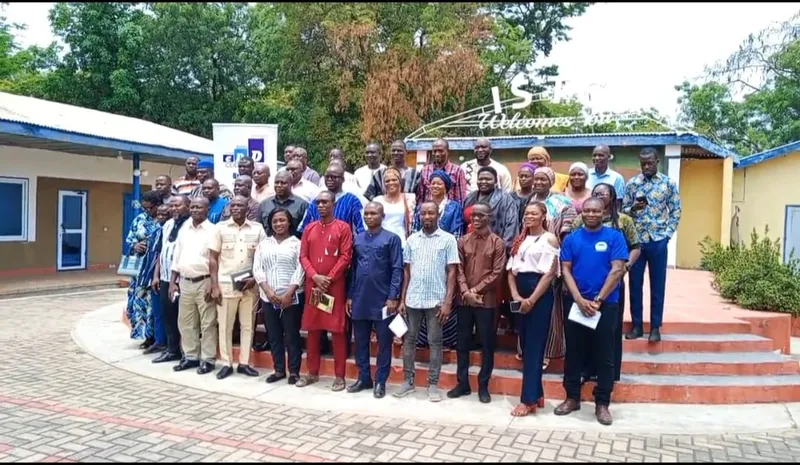
九合一選舉今天(28日)投、開票。華人民主書院協會常務理事曾建元表示,海外觀選團原先因台海局勢感到緊張,但實際走訪台灣後,對選舉的秩序、民主自由及公民素質留下深刻印象,認為台灣民主經驗十分珍貴。 曾建元表示,據他所知,這次來台觀選的海外華人觀選團至少有4團,成員來自美國、加拿大、澳洲、紐西蘭、德國及香港等地。 曾建元指出,第一次來台觀選的人,通常會關心台灣的選舉程序與政治秩序。由於海外媒體經常報導台海上空戰雲密布,加上中共跨境鎮壓與介入選舉,因此不少觀選團成員都是帶著忐忑的心情來到台灣。 不過,曾建元說,觀選團實際走訪後,發現台灣選舉過程雖然熱鬧,卻沒有外界想像中的擔心中國入侵或戰爭威脅的問題;在政治競爭方面,也沒有感受到強烈的政治對立,甚至同一個家庭中都可能有不同候選人的支持者。…
On Election Day (28th), the Ninth Joint Election concluded with overseas Taiwanese residents attending the polls. Chien Jun-yuan, a member of the Democratic Studies Institute Association, shared that initially, the overseas observation groups were preoccupied with the Taiwan Strait situation. However, their on-site experience in Taiwan left them with a profound impression of the election's order, democratic freedom, and civic quality. They believe Taiwan's democratic experience is invaluable.
Chien Jun-yuan estimated that at least four observation groups from the United States, Canada, Australia, New Zealand, Germany, and Hong Kong participated. The first-time observers typically focus on Taiwan's election procedures and political order. With frequent reports of skirmishes in the Taiwan Strait by overseas media and China's cross-strait suppression and election intervention, many observation group members arrived with apprehensive minds.
Nonetheless, Chien Jun-yuan noted that despite the lively election atmosphere, there were no fears of Chinese invasion or war. Political competition did not provoke intense opposition; even within the same family, supporters of different candidates could be found.
Chien Jun-yuan observed that Taiwan's election variety, including various levels of local elections and referendums, though using traditional voting, maintains high efficiency. This provides valuable experience for other countries in designing or reforming their electoral systems. Taiwan's democratic civic culture was affirmed, provided there is citizen participation, normal competition, and judicial neutrality to maintain election order and fairness.
The observation groups' concerns mainly revolved around cross-strait relations and China's influence on Taiwan's elections. Members frequently sensed China's clear stance on Taiwan's elections, with Chinese internet information being notably biased. He pointed out that these foreign media and information, beyond Taiwan's legal jurisdiction, continuously transmit content during election periods.
Chien Jun-yuan affirmed Taiwan's media literacy and self-regulation in media and self-media. A country's public order doesn't solely depend on military, police, and judicial presence but on citizens' involvement in public affairs, creating a well-functioning political society. This realization was significant for the overseas observation groups.
Chien Jun-yuan expressed that some overseas Taiwanese were experiencing Taiwan's election activities and voting process for the first time, finding it deeply moving. The freedom to participate in elections and hold public demonstrations in Taiwan was something they found hard to come by. He emphasized that while China has a voting system, its people cannot truly decide who to vote for.
Chien Jun-yuan highlighted that Taiwan's democratic system includes various levels of elections, leaving observation group members amazed. Even if some candidates seem special, as long as they meet basic eligibility, the nation won't conduct additional scrutiny of candidates' thoughts, mental state, or loyalty to the country, as these violate freedom protections.
He concluded, "Free elections allow people to vote freely and provide opportunities for individuals from diverse backgrounds and perspectives to run for office." This insight undoubtedly broadened the horizons of overseas observation groups.
Rewritten by urgent.news; may contain errors — check the original.
Source: rti.org.tw