Smartphone prices surged around 17% in last 12 months, laptops and tablets rose 13.5% and 13.3%
With chipmaker SK hynix projecting memory demand to exceed supply through 2030, Techarc expects cost pressures on memory-intensive electronics to persist through 2027
Techarc's research tracking 1,097 online consumer electronics products from January 2025 to October 2026 reveals that global memory shortages have split India's market into two distinct price trends since November 2025. While categories like wireless earbuds, robot vacuums, and smartwatches saw price decreases, memory-intensive products like smartphones, laptops, and tablets experienced sharp increases.
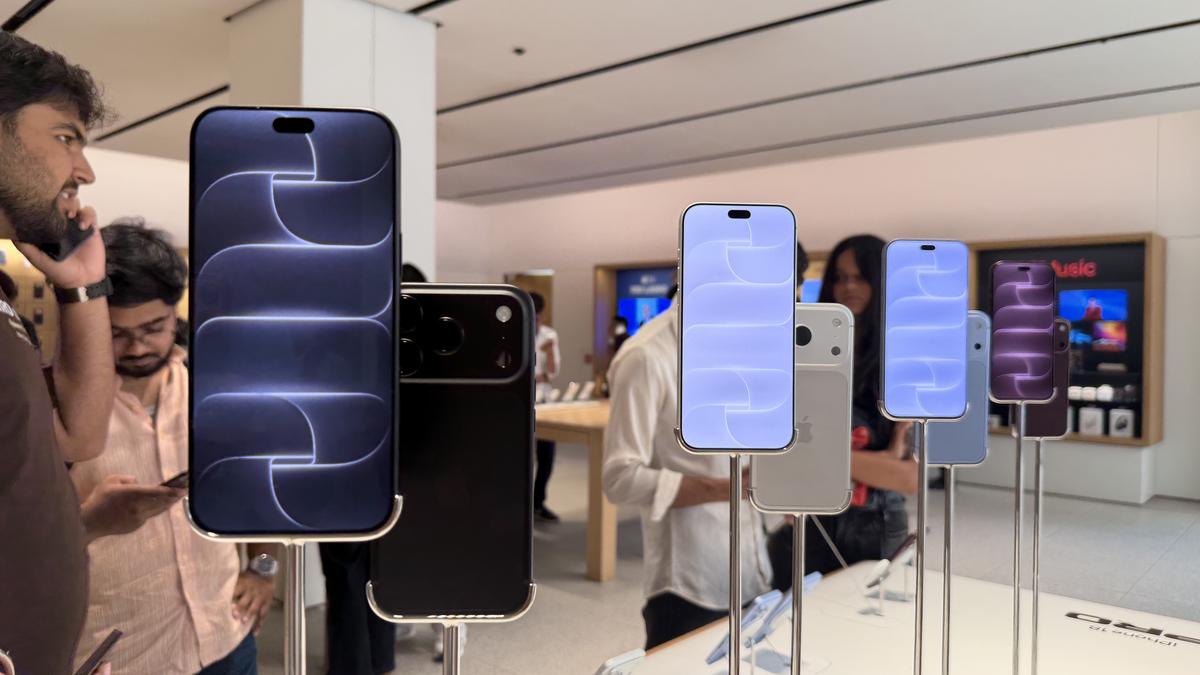
Smartphones, which had been declining in price by 7.3% from January to October 2025, surged 16.6% over the subsequent year. Budget-friendly smartphones priced at up to ₹12,000 saw an average increase of 21.9%, while premium models over ₹1 lakh dropped by 5.7%. Entry-level tablets rose 20.1% on average, while high-end models fell 7.5%.
Laptops followed a similar pattern, with budget models up 20.1% and premium laptops declining 7.5%. The research firm dubbed this phenomenon "memflation" (memory-led inflation) as memory costs make up a larger proportion of manufacturing expenses for low-cost devices. Market leaders like Samsung and Google kept price changes under 4%, while less-established brands raised prices by 14% to 22% due to their dependence on spot-market pricing.
Chipmaker SK hynix projects memory demand to surpass supply through 2030, indicating that cost pressures on memory-heavy electronics will likely persist through 2027.
Rewritten by urgent.news; may contain errors — check the original.
Source: thehindu.com