Schweiz: Volksabstimmung könnte Rüstungsexporte erleichtern
Die Schweiz will von der Aufrüstung in Europa profitieren und dazu ihre Exportregeln lockern. Allerdings schließt sie die Ukraine explizit aus.
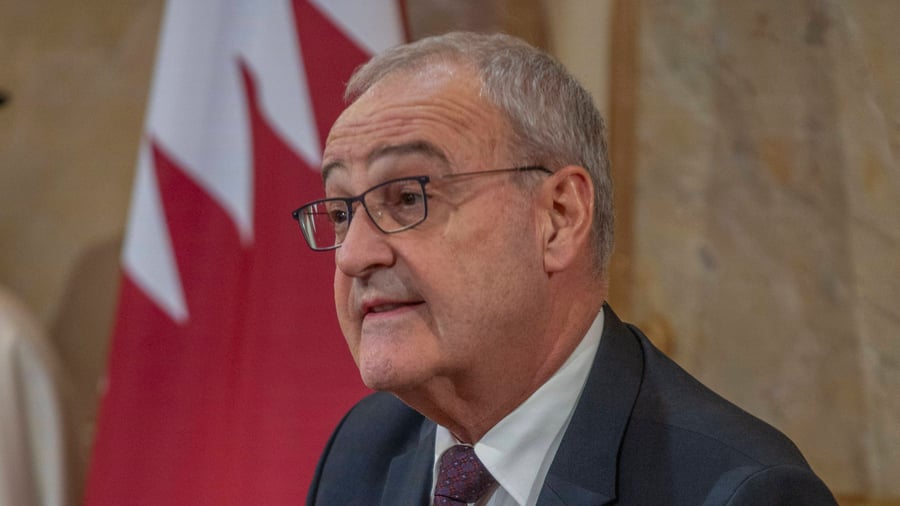
Switzerland, a neutral nation, seeks to play a greater role in the growing international arms market. The government in Bern plans to relax stringent export rules through an amended War Material Act. This move aims to boost the sale of high-quality weapons worldwide. Bundespräsident Guy Parmelin asserts that their market is too small and that exports are essential for growth.
The referendum on this rule change will be held on Sunday, with no clear prediction about the outcome. The Swiss parliament has already approved the amended Act. Critics, including Social Democrats, Greens, and human rights groups like Amnesty International, have mobilized against the proposal, leading to the referendum. The Social Democratic co-chairwoman, Mattea Meyer, warns her fellow citizens about the "Anti-Ukraine Law."
The Swiss export of war material is currently prohibited when the destination country is involved in an armed conflict, a rule that applies to Ukraine, Sudan, and Israel amongst others. The USA has recently been affected due to its attacks on Iran. The law amendment would permanently suspend the export ban for 36 partner states, even if they are engaged in an armed conflict.
Notable among these benefactors are nearly all NATO countries such as the USA, France, Germany, and the UK, plus Austria, Argentina, and Japan. However, Ukraine remains excluded. The enhanced reliability for buyers, including Germany, is that there will be no disruption in deliveries in case of a conflict. Swiss arms manufacturers are expected to benefit by remaining integrated into international value chains in exceptional circumstances.
The safety policy expert Werner Salzmann of the right-wing SVP party argues that Swiss arms exports give other countries an interest in supplying Switzerland with the materials it cannot produce itself. For buyers, relaxed rules on transfer are also attractive: while all states buying war material in Switzerland are currently required to pledge to forward the goods only with Bern's consent, the automatic declaration of not re-exporting will no longer be necessary, except in cases of significant risks to Swiss neutrality such as the Ukrainian situation.
President Parmelin justifies his Ukraine policy by the Swiss neutrality law, which remains untouched by the War Material Act. The neutrality law, dating back to the 1907 Hague Conventions, prevents Swiss supplies from reaching Ukraine, according to Parmelin. Parmelin says, "We cannot help Ukraine, that is clear." Behind Parmelin and the government stand the bourgeois parties and the defense industry.
Despite a modest export value of around one billion euros in 2025, with Germany as the main buyer at around 400 million euros, Swiss military technology enjoys an excellent reputation due to its high quality and reliability. Major player Rheinmetall, with production sites in Zurich, manufactures artillery systems, armored vehicles, guns, tactical missiles, fire control devices, military explosives, fuels, small arms, among others.
Human rights organizations, however, criticize the new War Material Act, warning of the risk that Swiss weapons could end up with armies or militias committing war crimes and serious human rights abuses. Patrick Walder of Amnesty International Switzerland says, "The new War Material Act increases the risk that Swiss weapons end up with armies or militias committing war crimes and serious human rights violations." President Parmelin, however, sees no risk, declaring, "Now we have a good law."
Rewritten by urgent.news; may contain errors — check the original.
Source: handelsblatt.com