Quello crudo è sano e i microorganismi fanno male: i tanti luoghi comuni sul latte
Pensano che il latte crudo sia il più sano, anche se va bollito per legge prima di essere bevuto, temono i microrganismi dello yogurt, che invece fanno bene.
The common belief is that raw milk is the healthiest option, even though it must be boiled by law before consumption, people fear the microorganisms in yogurt, which they believe are harmful. This consumer profile emerges from the research conducted by the Observatory of Cremona Faires, presented today at the International Zootechnical Faires in Cremona during the meeting "The taste of knowing".
The study gathered responses from over 2,500 residents in the province of Cremona. The picture is one of weak, fragmented, and sometimes misleading knowledge, with direct consequences on purchasing decisions. The research measures how consumers know about topics reshaping the milk and dairy products market: animal welfare, environmental sustainability, technological innovation in farms, food safety, plant-based products, allergies, and intolerances.
Concerning animal welfare, more than 90% of consumers know that it means conditions respectful of animals' physical and psychological needs. However, a figure that the study considers "inexplicable" and "potentially dangerous" is that 41% perceives the textile industry as the most problematic sector for animal welfare. There is also a gap between intentions and pocket.
While 65% says that animal welfare weighs a lot on their purchasing decisions, only 5% would be willing to spend 5% more to guarantee better conditions in farms. The same gap appears regarding environmental sustainability. A large majority indicates it as a purchasing criterion, but over 80% does not want to contribute to the costs that companies bear to make processes more sustainable.
Only 3% would accept a price increase up to 5%. The biggest gaps concern farm technology. Smart collars, GPS systems, and RFID chips are seen by many as tools only meant to increase profits. They fail to realize their role in monitoring animal health and welfare. As for drones, some imagine them carrying food in stables: an idea far from the reality of precision agriculture.
They are used instead to monitor animals and fields connected to the agricultural enterprise or possibly pastures. Similarly, the perception of plant-based products is confusing. Their nutritional and ethical characteristics are often misunderstood, and the same applies to their suitability for those with allergies or intolerances.
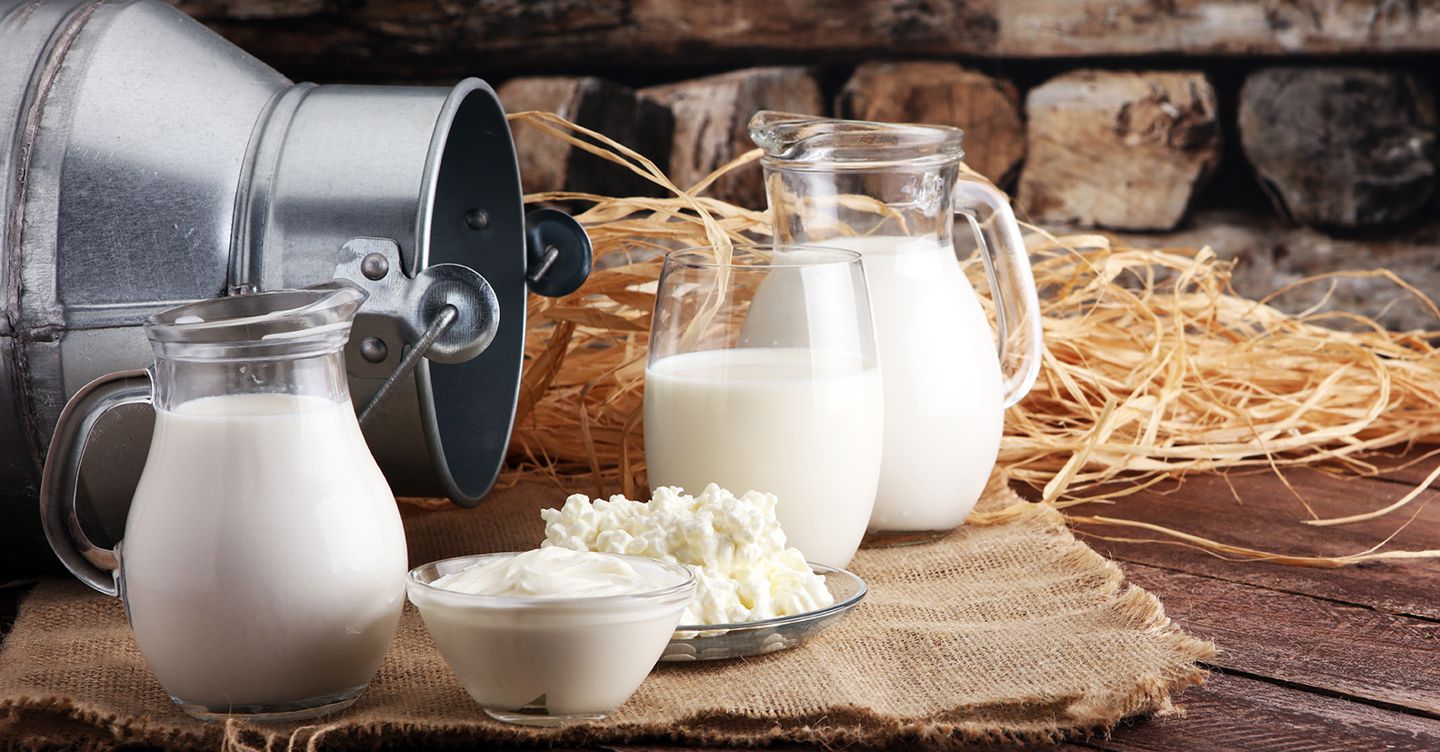
Moreover, many do not know that the term "milk" is reserved for the product of animal origin, while soy, oats, almonds, rice, and coconut give life to plant-based drinks. These drinks are often promoted as healthier, leveraging the growing cases of intolerance, real or presumed. Another paradox concerns raw unpasteurized milk, which many consider the healthiest, despite the obligation to boil it before consumption indicated even in retail points.
However, sales do not confirm this preference. The most critical chapter is food safety at home. Handwashing is now an acquired habit, even due to the experience of Covid. Things change when it comes to conserving and cooking foods. Many believe it is safe to defrost meat and fish at room temperature, in warm water, or in the microwave.
Others think that chicken can be consumed cooked between 60 and 74 degrees, temperatures that are not enough to eliminate bacteria like salmonella. Few also know that fruit and vegetables must be washed even when the skin is not eaten: when cutting them, surface bacteria can transfer to the pulp. This is one of the principles recalled by the circular of the Ministry of Health of November 2024 on microbiological risk in fresh fruit and vegetable products.
More surprising is the fear towards microorganisms naturally present in yogurt and fermented products, which are instead beneficial.
Rewritten by urgent.news; may contain errors — check the original.
Source: ilsole24ore.com