Over 100,000 refugee learners in Kenya’s schools – KNBS
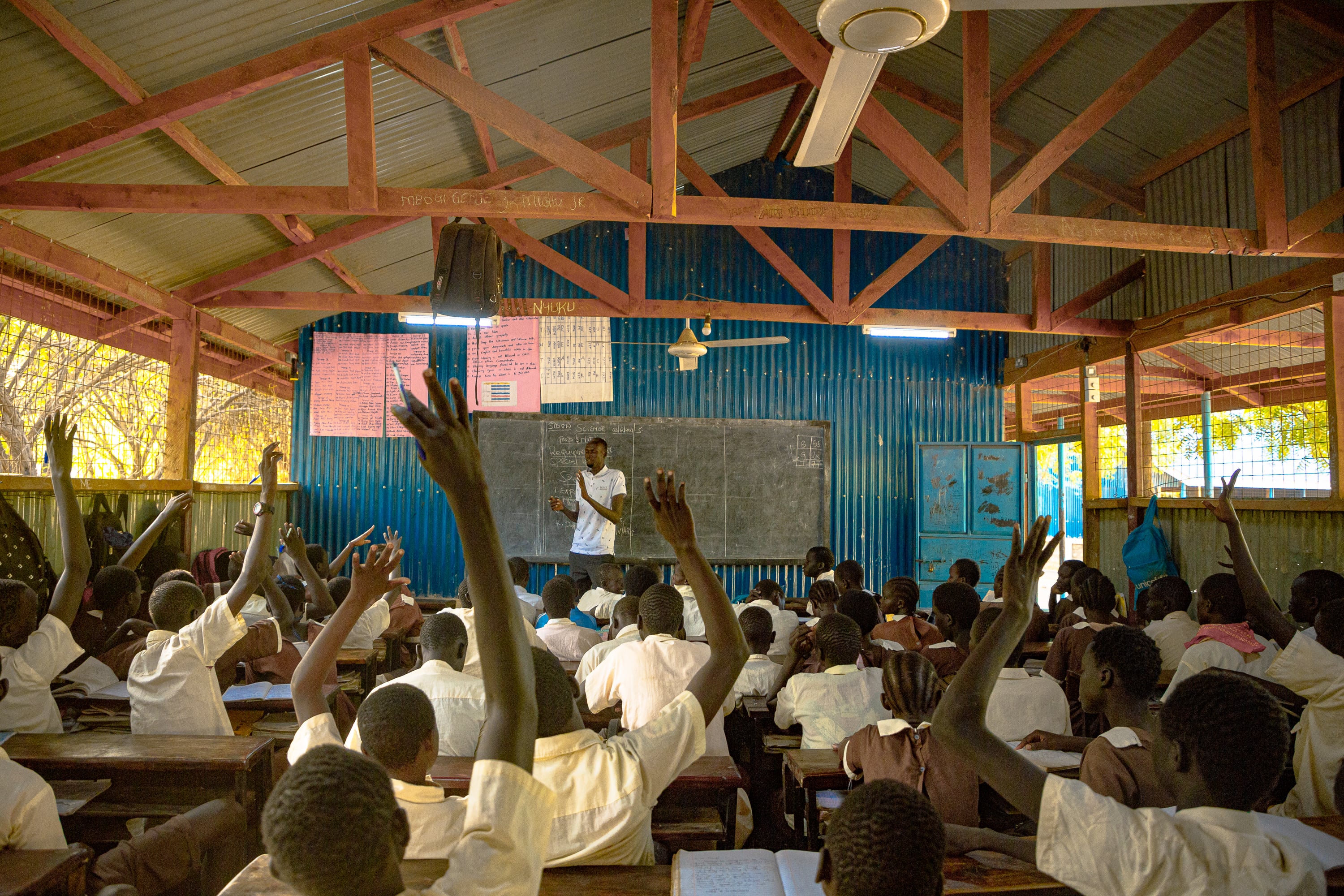
NAIROBI, Kenya Nov 28 – More than 100,000 refugee learners are enrolled in Kenyan schools, with the majority attending primary education, according to a new report by the Kenya National…
Fewer than one in five schools in Kenya had internet access in 2024, according to a new report by the Kenya National Bureau of Statistics (KNBS). This means that more than eight in every ten schools were without internet connectivity, highlighting a significant infrastructure challenge for the country's push towards digital learning. Only 19.6 percent of schools were connected, leaving a large gap between the government's ambitions for digital education and the facilities available in many institutions.
The 2024 Kenya School Census revealed that only 29.8 percent of schools used computers for teaching and learning purposes, including desktops and laptops. Television sets were used for teaching in 11.7 percent of schools, while radios were utilized in 12.4 percent. Access to basic communication facilities was limited, with only 17.2 percent of schools possessing dedicated telephone devices.
The lack of digital equipment and internet access raises concerns about the readiness of schools in Kenya to fully embrace technology-based learning. Among schools with internet connectivity, 72.4 percent utilized fixed broadband connections. However, only 79.3 percent of these schools supervised or monitored learners' online activities, while 46.8 percent conducted awareness programs on safe internet use.
Despite these efforts, 39.1 percent of schools with internet had not installed content-filtering applications to protect learners from inappropriate online material.
Alarmingly, 13.8 percent of schools with internet connectivity had not implemented any mechanisms to ensure learners' safety while using the internet. The KNBS census, conducted across all 47 counties, included both public and private learning institutions. The report aimed to provide crucial information on school infrastructure, enrolment, staffing, and access to essential services to guide education planning.
Rewritten by urgent.news; may contain errors — check the original.
Source: capitalfm.africa