No elevated lead levels in drinking water following Iowa explosion, EPA finds
The explosion was paused several times before the blast following public outcry and legal challenges over fears of health and environmental dangers.
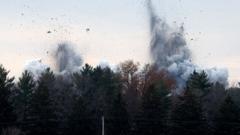
Following the US military's detonation of nearly five tonnes of toxic explosives in Iowa, the Environmental Protection Agency (EPA) announced on 26 November that no elevated lead levels were detected in local drinking water, according to the agency's statement on X. Public concern arose over potential pollution risks in the air and water following the 25 November blast, as the military planned to destroy lead azide, a volatile compound that may have been prone to spontaneous detonation.
The EPA tested 38 samples from public water supplies post-explosion, including both treated and untreated water at the intake, and found no presence of lead. The agency pledged to provide further updates as new lab results for over 3,200 samples, collected both before and after the detonation, became available. Prior to the blast, 300 personnel and contractors spent 30 hours collecting samples and monitoring for airborne lead.
The plan to conduct the explosion had been repeatedly delayed due to public opposition and legal challenges regarding potential health and environmental hazards. The US Army had initially scheduled the detonation to avoid colder winter temperatures, which could increase the risk of an uncontrolled explosion. Concerns were raised about potential exposure to toxic lead dust, and the Army warned Iowa residents about this possibility.
An optional evacuation zone was established, and a shelter-in-place advisory was issued before the detonation. Lead exposure, even at low levels, can have serious health consequences for humans and animals, especially children. The explosives had been stored for approximately 20 years and had undergone a process known as recrystallisation, making them more likely to detonate accidentally from friction or movement.
Although the US Army faced opposition from residents and political leaders, and legal challenges based on environmental and health grounds, an appeals court ultimately approved the blast, stating that while valid concerns existed, the risk of an uncontrolled explosion was greater. The Army declared the detonation a "huge success" the following day.
Rewritten by urgent.news; may contain errors — check the original.
Source: bbc.co.uk