New farm subdivision regulation to bolster agricultural investment
The new regulations allowing agricultural farms to be subdivided into plots of no less than 50,000sq m, down from the previous minimum of 100,000sq m, are expected to give fresh incentive to…
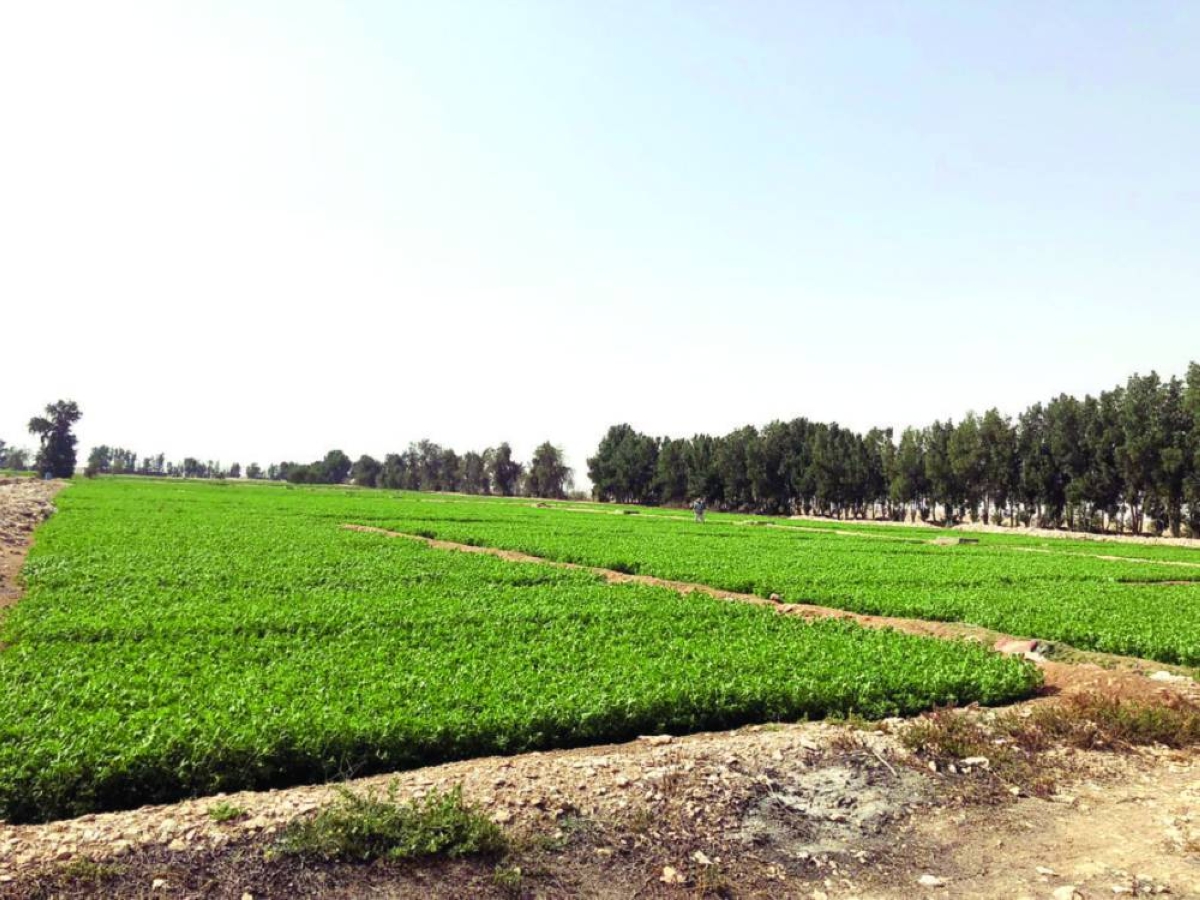
The newly introduced regulations permitting agricultural farms to be subdivided into plots of a minimum of 50,000 square metres, up from the previous requirement of 100,000 square metres, are anticipated to spur agricultural investment, optimize land usage, and heighten local production, according to farm owners. These changes would grant owners enhanced flexibility in managing their agricultural properties, enabling them to sell, lease, or establish joint ventures with portions of their farms while preserving agricultural activities and ensuring ongoing production as per the approved regulations.
The reduction in the minimum area requirement is expected to open avenues for diverse projects encompassing vegetable farming, fodder production, dates, honey, and livestock rearing. Dr. Rashid al-Kuwari, a farm owner, emphasized that the revised regulations would address ownership issues arising among heirs and make the agricultural investment landscape more appealing.
He explained that many Qatari farms have been family-owned for 30-40 years, and upon the passing of the original owners, ownership often gets divided among multiple heirs, sometimes expanding from three or five shareholders to approximately 20 individuals across successive generations. This transfer of ownership, especially when heirs seek to withdraw, has become financially burdensome due to the soaring market value of agricultural properties, which can range from QR40 million to QR50 million.
Nasser Ali al-Kuwari, another farm owner, highlighted that the decreased minimum subdivision area would entice new investors and stimulate local agricultural production, making entry into the sector more affordable. He pointed out that initiating agricultural projects necessitates substantial additional investments in land preparation, equipment, irrigation systems, and labor, rendering the prior minimum plot size a significant financial impediment.
Nasser also advocated for incorporating organized tourism activities on Qatari farms as a supplementary revenue stream, noting that some farms have already ventured into tourism-related ventures. However, he stressed the need for well-defined regulatory frameworks to ensure that tourism complements agricultural production rather than supplants it.
Mubarak Rashid al-Nuaimi, a farm owner, stated that the new regulations would benefit a wide array of farm owners by offering greater flexibility in utilizing their holdings and generating additional investment opportunities. He noted that subdividing extensive agricultural properties could lure investors with the requisite technical acumen and financial resources to develop productive projects but who might struggle to invest in larger plots.
Subdivision would also enable owners to generate income from underutilized land through leasing or dedicated production endeavors. Ali al-Henzab, a farm owner, suggested that the revised regulations would foster specialized agricultural ventures and improve operational efficiency by allowing various activities to be managed on distinct plots.
He explained that the land could be allocated to vegetable cultivation, fodder production, dates, honey, and livestock rearing, with each activity overseen by an investor or specialist possessing the relevant expertise. Ali acknowledged that managing multiple activities within a single farm under diverse management arrangements could occasionally result in overlapping responsibilities and operational hurdles involving labor, irrigation networks, fertilizers, and electricity consumption.
He clarified that many investors prefer to specialize in a specific agricultural activity rather than juggle several different operations, making the availability of independently managed plots a crucial incentive.
Rewritten by urgent.news; may contain errors — check the original.
Source: gulf-times.com