NASA is sending a first-of-its-kind space crop growing system to the ISS
Ohalo III, NASA's new crop production rig for space, is heading to the ISS for testing.
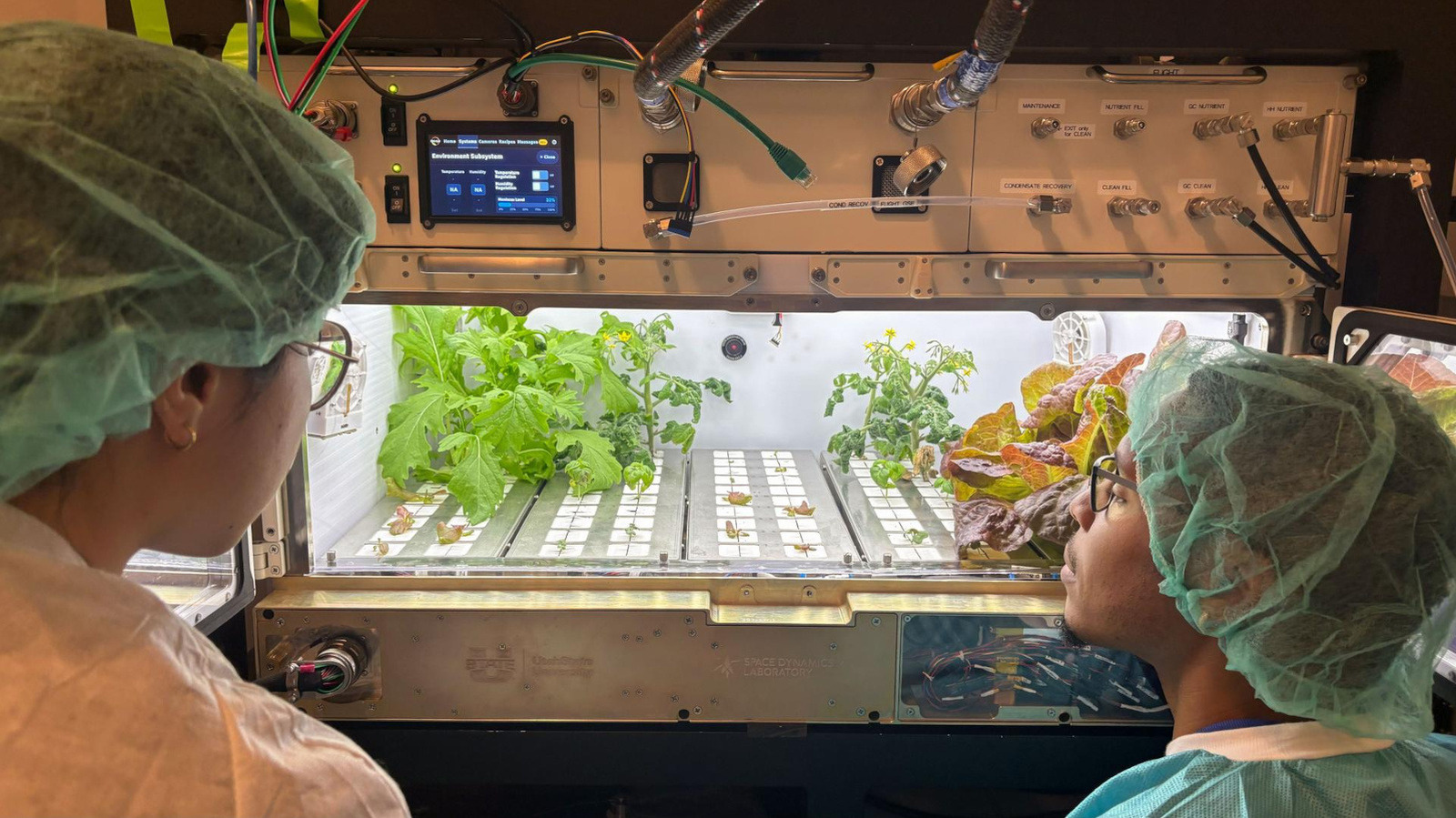
NASA plans to send a novel space crop growth system to the International Space Station (ISS) aboard the upcoming Northrop Grumman resupply mission. This pioneering equipment, dubbed Ohalo III, represents a significant advancement in the agency's efforts to cultivate plants in space. Since its inception in 2019 at Kennedy Space Center, Ohalo III has been under development as a more sophisticated, larger-scale alternative to previous systems.
The primary motivation for this endeavor is the potential to establish dependable methods for producing food in extraterrestrial environments. As space exploration ventures extend beyond short missions, the need for sustainable food sources becomes increasingly critical. Limited space and the absence of resupply options on missions to the Moon, Mars, and beyond necessitate the development of reliable crop production strategies.
Ohalo III plays a pivotal role in this endeavor by facilitating data collection on techniques for creating "safe, nutritious, and reliable crop production strategies for future Moon Base habitats and Mars missions." During its testing phase aboard the ISS, scientists and astronauts will validate the system's water delivery mechanisms and volume optimization technology.
One of Ohalo III's most intriguing features is its multi-cropping capability, enabling the simultaneous cultivation of various plants within a single production unit. This innovation not only expands our understanding of space agriculture but also holds promise for vertical farming and indoor growing systems on Earth. The Northrop Grumman 25th resupply mission, scheduled to launch on November 29 at 10:47 AM Eastern time, will carry Ohalo III to the ISS.
The launch will be broadcast live on NASA's website, providing the public with an unprecedented glimpse into this groundbreaking space agricultural initiative.
Rewritten by urgent.news; may contain errors — check the original.
Source: engadget.com