MySiren: Lessons that can save lives
Click here to experience the MySiren sound:
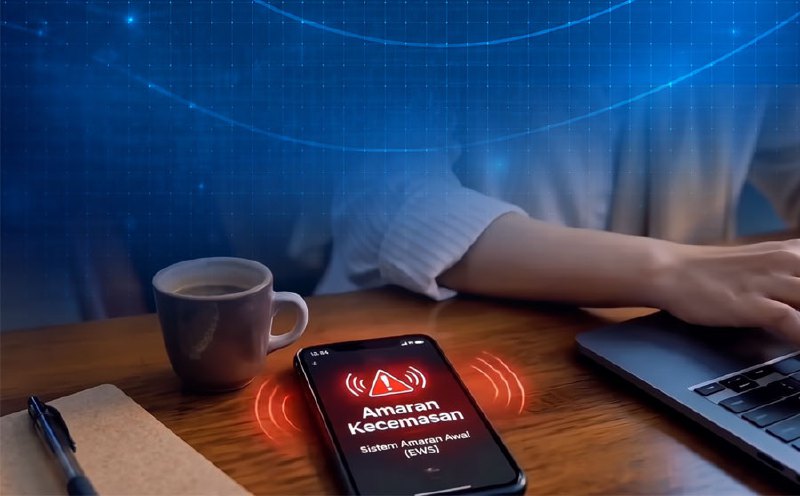
MySiren presents Malaysia with an opportunity to enhance its disaster preparedness through technological utilization and learning from nations renowned for their robust disaster management practices. UTM disaster preparedness specialist, Dr Khamarrul Azahari Razak, emphasized that MySiren represents a prudent investment in public safety and national resilience, especially considering Malaysia's increasing susceptibility to climate-related disasters and emerging hazards.
Dr Razak pointed out that nations like Japan, Indonesia, the Philippines, and Thailand have achieved significant progress in reducing preventable deaths and economic losses by investing in early warning systems and public preparedness. He stated, "While Malaysia doesn't need to mimic Japan's disaster preparedness development, we can harness technology, international insights, and established networks to expedite the process."
He cautioned against waiting for a major disaster to establish a comprehensive disaster preparedness capability. Khamarrul highlighted that Malaysia's unparalleled digital connectivity, with 98.3% of individuals aged 15 and above owning smartphones and 99.6% possessing mobile internet access as of 2025, positions the nation favorably to acquaint the populace with MySiren.
According to Dr Razak, sustained public education and routine testing could acquaint the majority of Malaysians with the system within six months to a year. He projected that observable changes in emergency response behaviors could emerge within one to three years, while a more ingrained culture of disaster preparedness might take three to five years to solidify.
MySiren's test is set to commence today, from 10:10am to 10:30am, according to the announcement by the Malaysian Communications and Multimedia Commission (MCMC). The initiative aims to involve various stakeholders, including households, educational institutions, universities, workplaces, healthcare facilities, businesses, and local communities.
Dr Razak stressed that the efficacy of MySiren should be gauged not solely by the number of phones receiving alerts, but by the extent to which lives are safeguarded due to citizens heeding those alerts. He also pointed out potential economic advantages, referencing United Nations data indicating that a 24-hour warning of an impending hazardous event could curtail potential damages by up to 30%.
However, the magnitude of damage reduction would hinge on the nature of the hazard and the efficacy of the protective measures implemented.
Rewritten by urgent.news; may contain errors — check the original.
Source: nst.com.my