Is a ‘YouTube tax’ on the BBC licence fee really fair? The debate explained
With the BBC struggling amid more budget cuts, plans are on the table to include all streaming services in the licence fee remit.
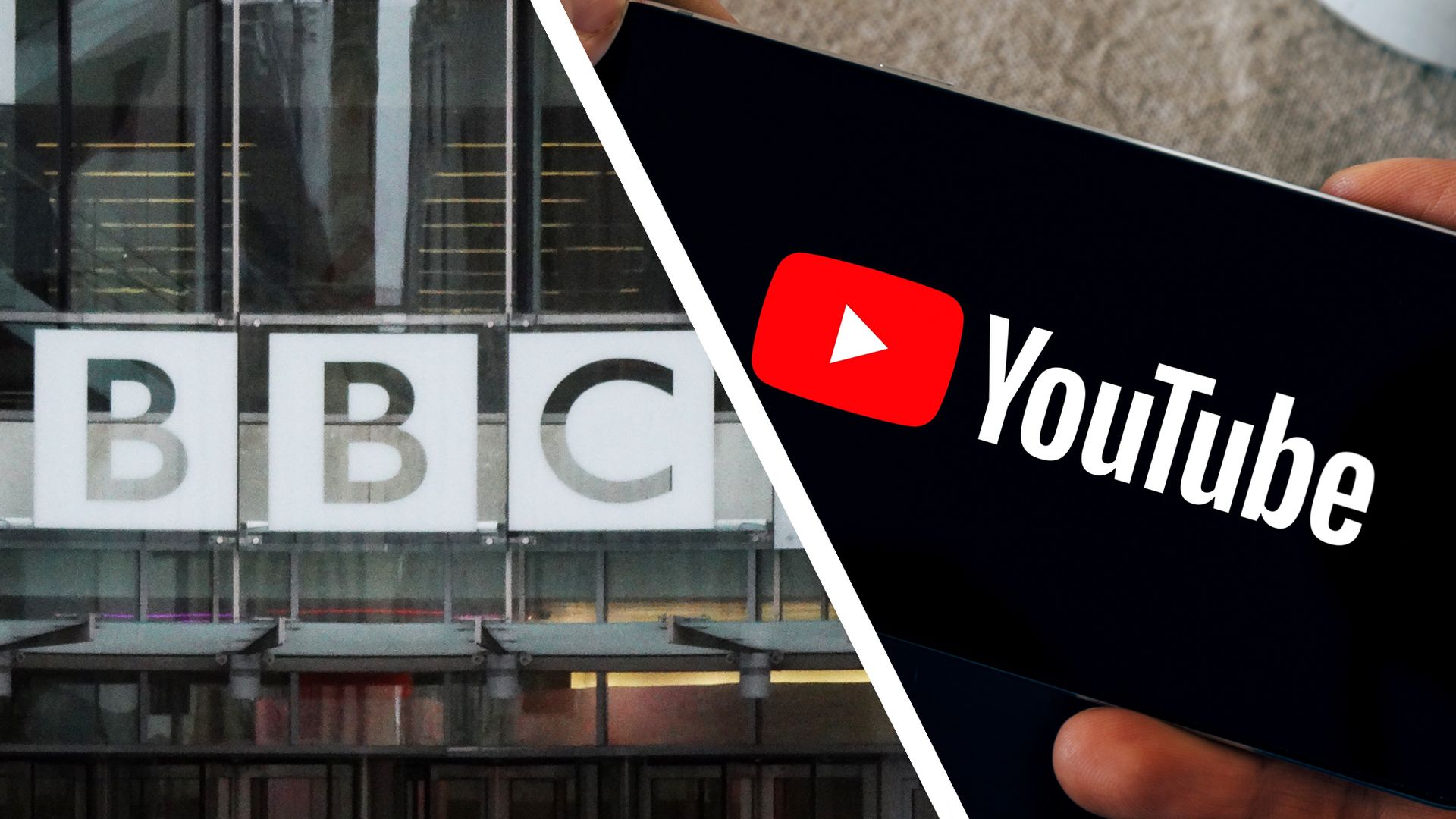
The TV licence fee in the UK has been funding the BBC for over a century, though initially only for radio broadcasts. Currently costing £180 per year, this fee is mandatory for watching or recording live TV, using iPlayer, and streaming live TV on any service, with the money primarily supporting television, radio, and online output from the BBC.
However, recent years have seen the licence fee funding decline by 28% since 2010, with the BBC cutting costs by 15% in response. To address this funding strain, the government plans to introduce a proposed "YouTube tax" next year when the BBC's funding rules are up for renewal. This would require anyone using popular streaming services like YouTube, Disney+, Amazon Prime, or Netflix to pay a £180 annual licence fee.
While the government sees this as a necessary measure to keep the BBC well-funded, many argue that it is unfair to those who don't watch or engage with BBC content. Critics also point out the challenges in enforcing the new tax and the potential to push viewers to pay twice for the same content.
Rewritten by urgent.news; may contain errors — check the original.
Source: techradar.com