Iran rial falls to near 3 million to US dollar as sanctions, blockade weigh
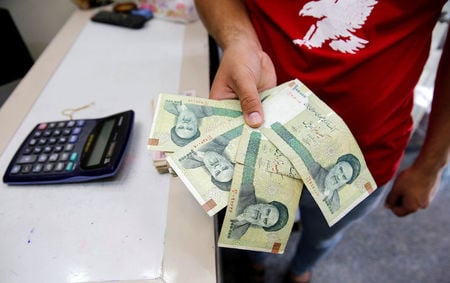
Iran's currency, the rial, plummeted to an unprecedented low on Saturday, nearing the significant mark of 3 million to the US dollar, as the United States imposes tougher sanctions, blocks Iranian ports, and the country's economy faces a severe crisis. The dollar traded at approximately 2.990 million rials on the open market, slightly higher than the previous day's 2.938 million, according to the currency tracking firm Bonbast.
Another source, Alanchand, recorded the rate at 2.997 million rials, a 1.77% increase from the previous day, Reuters reported. This marks yet another alarming milestone in the currency's steady decline. When US President Donald Trump was re-elected in November 2024, the dollar was worth around 690,000 rials, and it surged to 892,500 in February 2025 due to the anticipation of renewed American sanctions.
The rial plummeted below 1 million per dollar in March 2025 and continued to weaken to over 1.3 million in December of that year. It crossed the 2 million threshold in August 2026 and breached 2.1 million in September before surging past 2.85 million on November 24. Since the United States reinstated sanctions in 2018, after withdrawing from the 2015 nuclear deal, the currency has lost more than 90% of its value.
The latest pressures stem from Iran's nine-month conflict and the re-imposition of a US naval blockade on Iranian ports in July. The US Treasury Secretary Scott Bessent announced new sanctions to isolate Iran from the global economy and disrupt its shadow banking networks. Inflation in Iran has further strained the currency, with consumer prices rising by 88.7% year-on-year in October, with food and beverage prices surging by 112.6%, diminishing people's purchasing power.
Central Bank Governor Abdolnaser Hemmati stated on Saturday that Iran has enough hard currency to cover imports of essential goods and medicines for several months, while admitting that exchange rates are also affected by political developments and market expectations. Many Iranians are increasingly relying on foreign currencies and gold to safeguard their savings from further depreciation, intensifying the demand for dollars in the open market.
Rewritten by urgent.news; may contain errors — check the original.
Source: investing.com