Huawei is reshaping China's car market, and it doesn't build a single vehicle
Huawei is best known in the UAE for its phones, wearables and laptops. In China, it is also becoming one of the most influential names in cars, without building a single one. At a briefing at Huawei's Lianqiu Lake R&D campus in Shanghai's Qingpu district on 25 November, Marty Bian, Chief Marketing Officer of Huawei Consumer Business Group, Middle East & Africa, traced the strategy back seven…
Huawei, renowned for smartphones, wearables, and laptops in the UAE, is making significant inroads in China's automobile industry, without manufacturing any vehicles itself. Marty Bian, Huawei Consumer Business Group's Chief Marketing Officer for the Middle East & Africa, outlined the company's automotive strategy during a briefing at Huawei's Lianqiu Lake R&D campus in Shanghai.
Huawei entered the automotive sector in 2019 and began commercialization in 2021, marking the sixth year of its intelligent automotive strategy. The company does not build cars but supplies technology to partner automobile manufacturers. Huawei's automotive research and development team comprises 8,000 engineers collaborating with over 600 industry partners.
Huawei's automotive technology portfolio spans five key areas: the Advanced Driving System, which employs lidar, millimetre-wave radar, and high-definition cameras for assisted driving; Harmony Space, an in-car software on HarmonyOS with over 100 million users in China; vehicle control technology linking steering, suspension, motors, and batteries; heads-up displays and projector headlights; and sound and cloud services with a top package featuring 43 speakers and up to 3,000 watts of amplification.
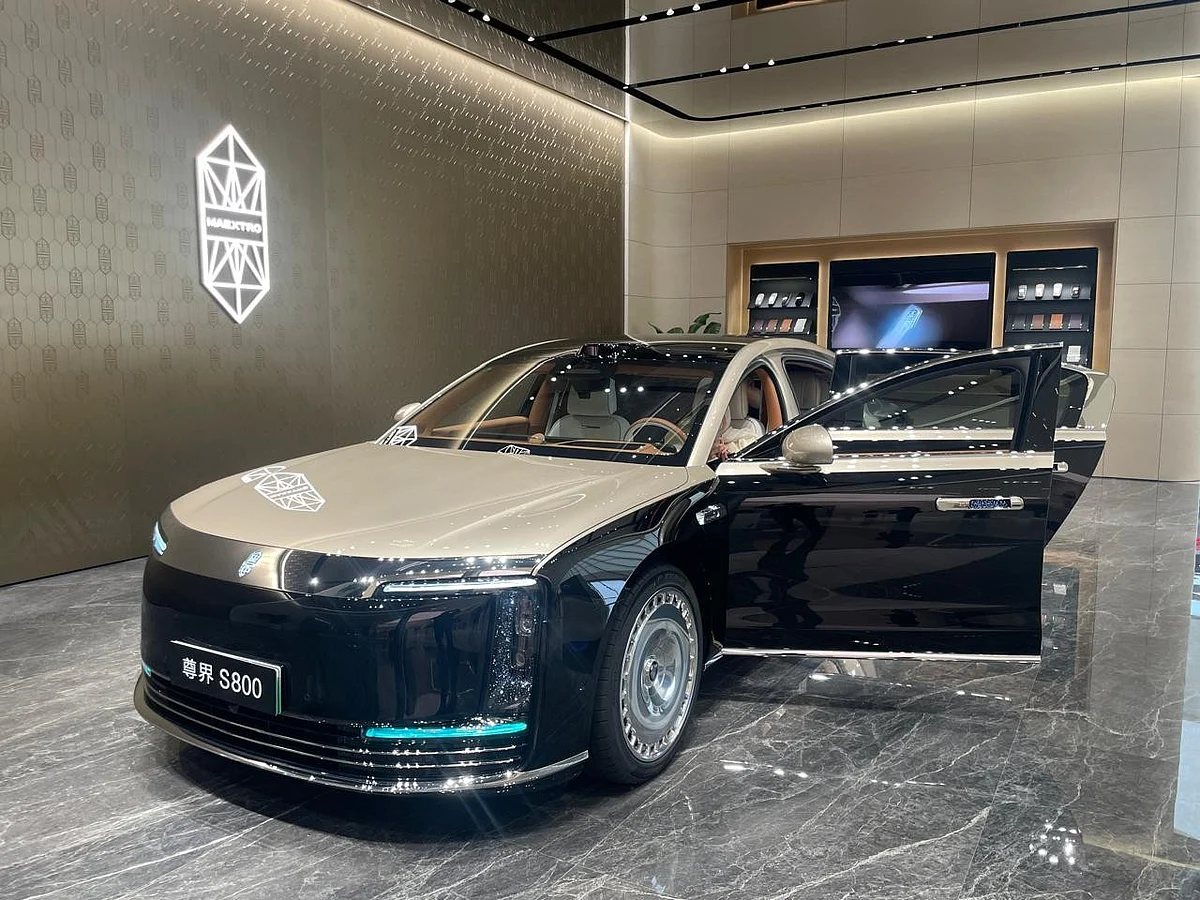
Huawei's main vehicle partnership, the Harmony Intelligent Mobility Alliance, involves five brands: Aito with Seres, Luxeed with Chery, Stelato with BAIC, Maextro with JAC, and Shangjie with SAIC. Avatr, developed with Changan and CATL, operates independently of the alliance. UAE drivers are among the first outside China to experience vehicles developed by Chinese automotive brands collaborating with Huawei.
Avatr, launched in Dubai in late 2024 through Smart Mobility International, is the company's first export market, with a showroom planned for Sheikh Zayed Road.
Safety is a central focus for Huawei, with their technology reportedly providing a 5.75-fold increase in the average mileage driven before a severe collision compared to manual driving. As Huawei's ambitions extend beyond China's roads, the company aims to bring intelligence to every vehicle.
Rewritten by urgent.news; may contain errors — check the original.
Source: gulfnews.com