Government to support cassava farmers and processors under Feed Ghana Programme
He said government was also working to absorb excess cassava on the market and link processors to the buffer stock system and the school feeding programme to create sustainable markets for locally processed products.
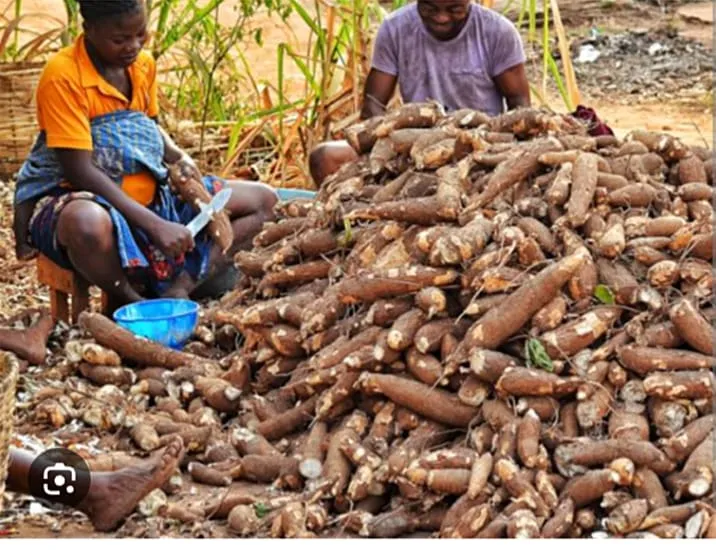
The Government is set to provide support to cassava farmers and processors under the Feed Ghana Programme, with the aim of enhancing production, overcoming market obstacles, and minimizing losses after harvest. Deputy Director of the Crop Services Directorate at the Ministry of Food and Agriculture, George Prah, announced that the government will supply farmers with planting materials, inputs, and aid in land preparation. Furthermore, assistance will be extended to other stakeholders throughout the cassava value chain.
Prah explained that the government is striving to absorb surplus cassava in the market and connect processors to the buffer stock system and school feeding programme, thereby fostering a sustainable market for locally processed goods. An agreement has been signed to ensure the supply of gari to the school feeding programme, with documentation and arrangements to follow.
Additionally, the government is constructing farmer service centers and aiding the establishment of new processing facilities to bolster cassava production and processing.
At the launch of the Association of Cassava Growers and Processors Ghana, Reverend Christopher Asempapabi Owusu Asiedu, the founder of the association, urged the government to absorb excess cassava, broaden the market for cassava-based products, and improve road networks in prominent cassava-producing regions. He pointed out that the current glut has discouraged some farmers from continuing production, as growers struggle to find buyers while processors encounter difficulties sourcing cassava of the desired quality.
Owusu Asiedu suggested increasing the use of cassava starch in biodegradable packaging, which could generate jobs, draw investment, and broaden the domestic market. He also advocated for measures to restrict imports of cassava derivatives to promote local production and uplift farmers' livelihoods.
The association emphasized the necessity of improved roads in cassava-producing communities, asserting that the crop must be processed shortly after harvesting to prevent deterioration and post-harvest losses. The association is resolute in collaborating with government and other stakeholders to uncover the economic potential of cassava and establish it as a significant contributor to Ghana's agricultural and industrial growth.
Rewritten by urgent.news; may contain errors — check the original.
Source: 3news.com