Ghana’s power problems could last two more years – Eenergy Analyst warns
Energy analyst Kwadwo Nsafoah Poku has warned that Ghana’s power challenges could last at least two more years, and he blames weak investment in electricity transmission over the past two years. Speaking on JoyNews’ Newsfile on Saturday, November 28, Mr Poku said the shortfall in spending on the transmission network helped cause the current situation […]
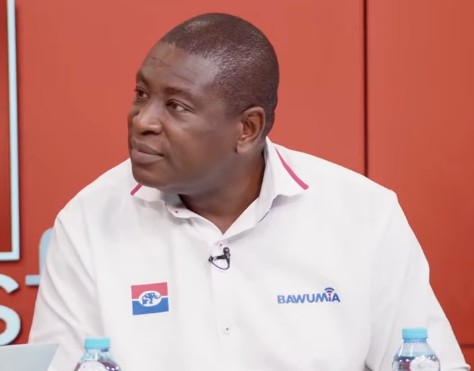
Ghana's energy analyst warns that the country's power issues may persist for another two years, attributing the ongoing problems to insufficient investment in electricity transmission over the past two years. Speaking on JoyNews’ Newsfile, Kwadwo Nsafoah Poku stated that the lack of funds allocated to the transmission network has contributed to the current situation and will continue to affect the reliability of electricity supply.
Poku emphasized that government's allocation of funds for new transmission projects will not yield immediate relief, as the process of awarding contracts and completing infrastructure takes a significant amount of time. He warned that the situation is expected to last "at least two more years," even if the government releases money for transmission projects in the 2027 Budget.
The analyst expressed concerns over the government's decision to cancel an agreement with the German development bank KfW and the delay in implementing a 50 million World Bank funding arrangement meant for the transmission sector. He questioned the efficacy of such funding in addressing the immediate power challenges, pointing out that building transmission infrastructure is a long process.
To illustrate the time required for such projects, Poku cited the K1 and K2 transmission lines, which are still under development since their contracts were awarded in July 2024. He highlighted that the K1 and K2 lines have been under construction for more than two years, despite the recent shutdown to operationalize them. This timeline underscores the need for sustained investment and timely delivery of transmission projects, rather than relying solely on budget allocations.
Rewritten by urgent.news; may contain errors — check the original.
Source: adomonline.com