Ghanaian farming households face higher risk of food insecurity – Ghana Statistical Service
Households engaged in agriculture are more than twice as likely to experience vulnerable food consumption as the national average, exposing a troubling contradiction in Ghana's efforts to achieve food security: those producing the country's food are themselves struggling to feed their families. The Ghana Statistical Service's (GSS) Third Quarter 2026 Mobile Vulnerability Analysis and Mapping…
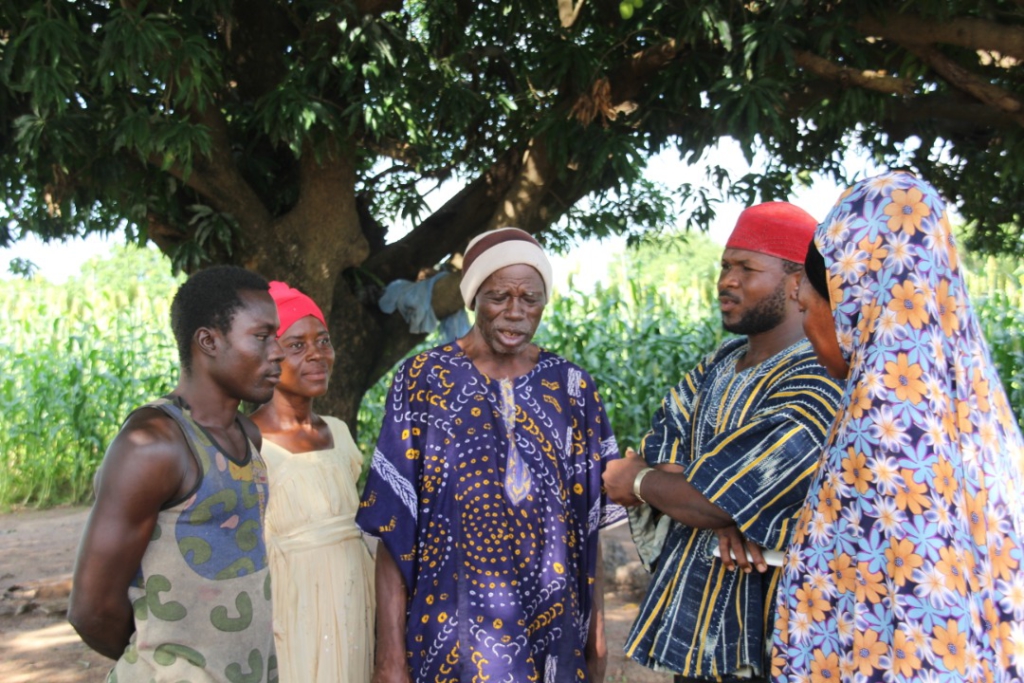
Ghanaian farmers, who produce the nation's food, are significantly more likely to face food insecurity compared to the general population, reveals the Ghana Statistical Service's Third Quarter 2026 Mobile Vulnerability Analysis and Mapping (mVAM) report. In the third quarter of 2026, 15.9% of households engaged in agriculture experienced vulnerable food consumption, whereas the national average stood at 6.6%.
This discrepancy highlights a troubling contradiction, as those responsible for producing food for the country frequently struggle to provide sufficient nutrition for their own families.
The disparity between food production and consumption sheds light on the urgent need for targeted interventions to support vulnerable farmers and their families. Factors such as seasonal harvests, fluctuating farmgate prices, production costs, post-harvest losses, and limited market access contribute to the financial strain experienced by many smallholder farmers.
Despite playing a crucial role in the food supply chain, these farmers often find themselves trapped in a cycle of poverty, unable to derive adequate financial returns from their agricultural activities.
Moreover, market access emerges as a critical factor in exacerbating food insecurity among farming households. The report indicates that 22.6% of surveyed households struggled with market access during the preceding month, representing approximately 2.1 million homes. Those lacking full market access experienced vulnerable food consumption at a rate of 13.5%, compared to 4.4% among households with uninterrupted market access.
This stark contrast underscores the importance of strengthening market infrastructure to ensure smallholder farmers can sell their produce at competitive prices and access essential commodities, thereby reducing food insecurity and enhancing livelihoods.
Regional disparities further complicate the issue. The North East Region recorded the highest proportion of households facing vulnerable food consumption at 42.2%, followed by Upper East at 30.1% and Upper West at 29.5%. Such disparities necessitate tailored interventions addressing the specific challenges faced by different regions in Ghana.
To achieve lasting food security and economic stability, Ghana must adopt a holistic approach that prioritizes the welfare of farmers and their families. This entails fostering an environment where farmers can thrive through access to resources, education, and fair market opportunities. By addressing the root causes of food insecurity and promoting sustainable agricultural practices, Ghana can build a resilient food system that benefits all its citizens and moves toward a more equitable and prosperous future.
Rewritten by urgent.news; may contain errors — check the original.
Sources: myjoyonline.com · adomonline.com