Ganga Water Treaty: The history & uncertain future of India-Bangladesh water sharing
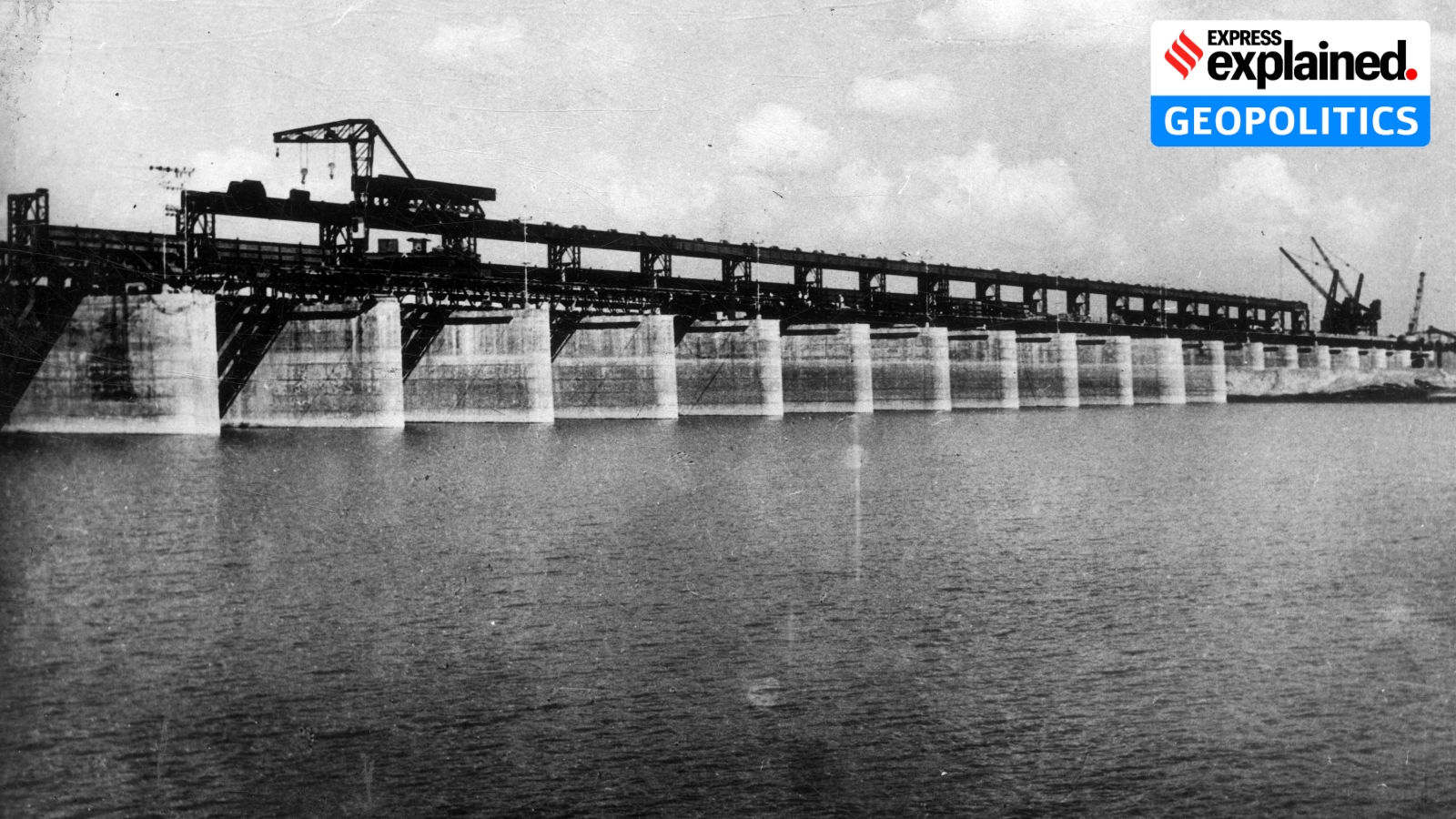
The Ganga Water Treaty, a crucial agreement between India and Bangladesh, governs the sharing of water from the Ganga river, which flows through both countries. This treaty, signed in 1996, is set to expire on December 12 despite a provision to extend it with "mutual consent". The treaty has been a critical aspect of India-Bangladesh relations, but it has faced criticism for not considering the future needs of the growing populations in both nations, as well as challenges posed by climate change.
India, being the upstream country, prefers to focus on protecting the requirements of its own states in any new agreement. On the other hand, Bangladesh, as the lower riparian state, seeks a minimum guarantee clause to ensure adequate water supply. The expiry of the treaty has raised concerns and uncertainty, especially in the context of the recent tensions between India and Bangladesh due to the extradition issue of former Bangladesh Prime Minister Sheikh Hasina.
These tensions have also impacted a potential visit by Bangladesh Prime Minister Tarique Rahman to India, which was expected to occur in late November to announce the renewal of the Ganga Water Treaty.
The Ganga river, which originates in India, splits into two branches shortly after Farakka in West Bengal: the Padma, which flows eastward into Bangladesh, and the Bhagirathi, which continues southward into West Bengal. After the Bhagirathi joins the Jalangi river, it becomes the Hooghly, which flows through West Bengal and Kolkata.
Concerns over the navigability of Kolkata port, due to heavy sedimentation, led to the proposal of building a barrage across the Ganga in the 1800s. This idea was furthered by a British engineer, Arthur Cotton, who suggested diverting water during the dry season into the Hooghly, which would increase its flow, flush out silt, and improve navigation at Kolkata port.
Rewritten by urgent.news; may contain errors — check the original.
Source: indianexpress.com