Eres ‘old’, pero así de ‘old’: Tamagotchi cumple 30 años con más de 100 millones de ‘huevitos’ vendidos
A tres décadas de su lanzamiento, el Tamagotchi demuestra que el vínculo emocional con las mascotas digitales comenzó antes de los celulares y las redes sociales.
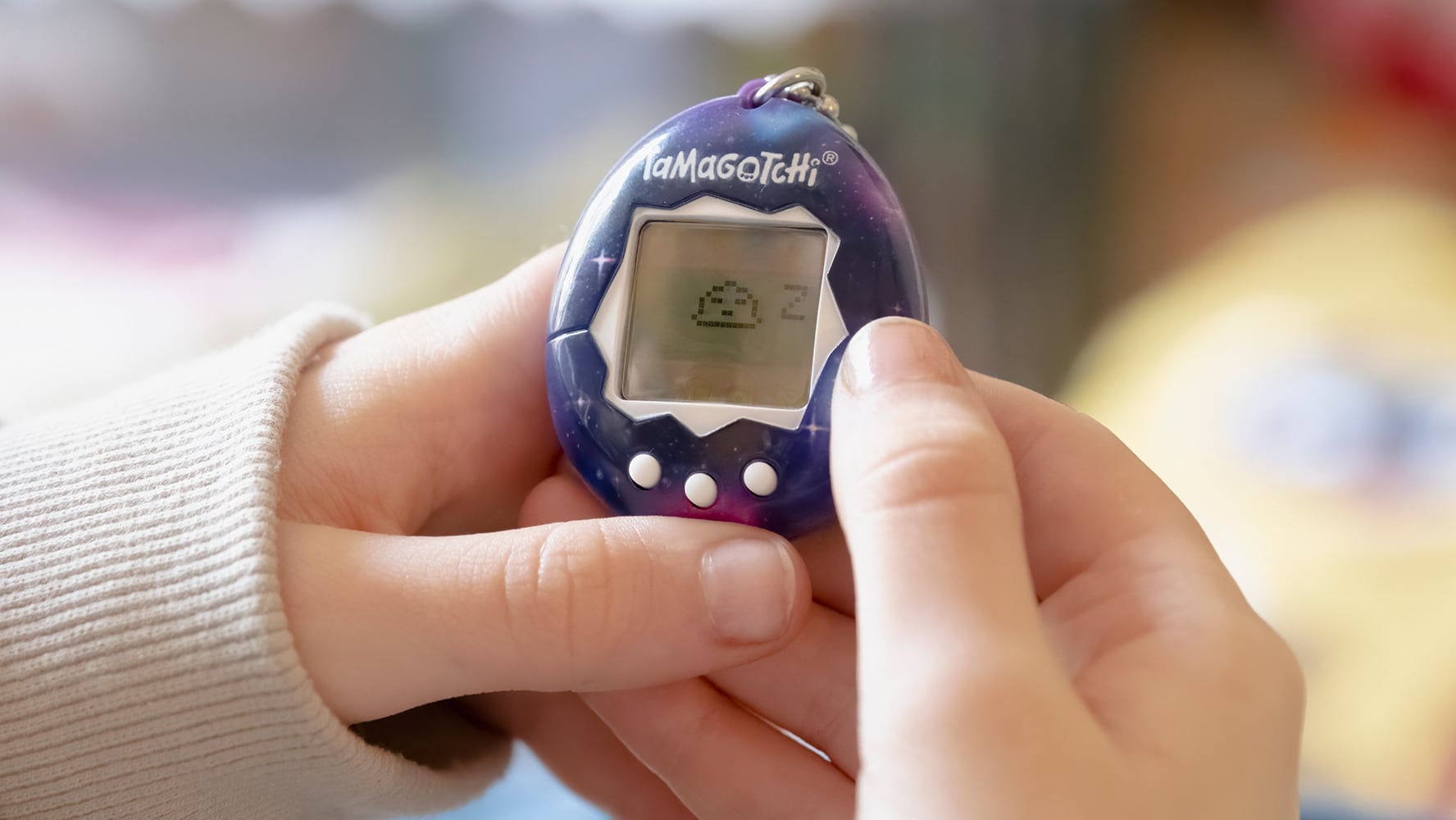
The Tamagotchi, a small plastic egg-like device with a pixelated creature on its screen, celebrates its 30th anniversary. This “mascot” needed care including feeding, cleaning, and playing with it. The Tamagotchi was introduced on November 23, 1996. Initially, it was a simple toy with only three buttons and a screen, but it evolved into a global phenomenon that changed how we interact with technology.
Created by Akihiro Yokoi from WiZ and Aki Maita, a planner from Bandai, the Tamagotchi has sold over 100 million units worldwide. The device was inspired by a common scene - Yokoi saw a commercial of a child trying to take his turtle on vacation, which made Yokoi wonder if there could be a portable pet that didn’t require real animal transportation.
The Tamagotchi was born from the combination of the Japanese word for egg, tamago, and the English word watch. Unlike other video games, the Tamagotchi did not wait for the owner to decide to play. The creature demanded attention throughout the day, requiring feeding, cleaning up waste, playing, and tending to it when it was sick.
The Tamagotchi’s life cycle lasted around 12 days, from hatching from an egg to reaching adulthood. However, if the user neglected its needs, the pet could get sick and die. Yokoi believed that part of the bond with animals came from the responsibilities of caring for them, which is why the toy was not just enjoyable but also required time and dedication.
When a virtual pet died, it hurt. To perfect the product, Aki Maita tested early prototypes with secondary school students in Tokyo's Shibuya district and adjusted the pets' needs to their users' routines. The success of the Tamagotchi also involved situations the creators did not anticipate. One was the reaction of children when their pets died.
The original model represented the pet’s death with a small gravestone and a pixelated ghost. For some users, the impact was so strong that it was not just the end of a game, but the loss of a companion they had dedicated time and affection to. In 1997, an animal cemetery in Pontsmill, Cornwall, UK, reserved a space to bury deceased Tamagotchis in handmade coffins.
This led to the “Tamagotchi effect,” a trend where people develop emotional connections with artificial objects and agents. Sociologist and psychologist Sherry Turkle from MIT analyzed this phenomenon and warned about the affective neutrality of computational artifacts. The reaction was so strong that Bandai modified the representation of death.
In late 1997, they launched Tamagotchi Angel, a version where pets did not die traditionally but ascended to heaven as winged beings. The Tamagotchi’s success was immediate. During its first eight months in Japan, 10 million units were sold, and within two and a half years of its international distribution, it reached 40 million units.
Despite a complicated period in the late nineties when Bandai overestimated demand in the West and faced financial losses, the brand reinvented itself with Tamagotchi Connection in 2004. This version incorporated infrared technology for pets to interact with each other, leading to small digital communities. Over the next two decades, technology advanced without the brand straying from its essence, with models featuring color screens, cameras for environmental interaction, and smartwatch-like designs like Tamagotchi Smart.
A significant change occurred on July 15, 2023, with the launch of ‘Tamaverse,’ which introduced Wi-Fi connectivity and opened a digital space for users to interact with pets. On June 27, 2025, Bandai Namco Entertainment launched Tamagotchi Plaza for Nintendo Switch and Nintendo Switch 2, a game where players manage establishments and care for hundreds of creatures.
Taro Tsuji, Bandai’s director general, attributes the Tamagotchi’s longevity to its ability to evolve without losing its universal appeal. Thirty years after its launch, the Tamagotchi demonstrated to a generation that it was possible to develop feelings for a creature living inside a screen, which required constant attention to stay alive.
Rewritten by urgent.news; may contain errors — check the original.
Source: elfinanciero.com.mx