Cybercrime takes a darker turn: Deepfakes, revenge and stalking fuel surge in online abuse
Investigators report more than double the number of cases over the past year, as perpetrators weaponise intimate images, morphed content and AI-generated material to threaten, shame and control victims
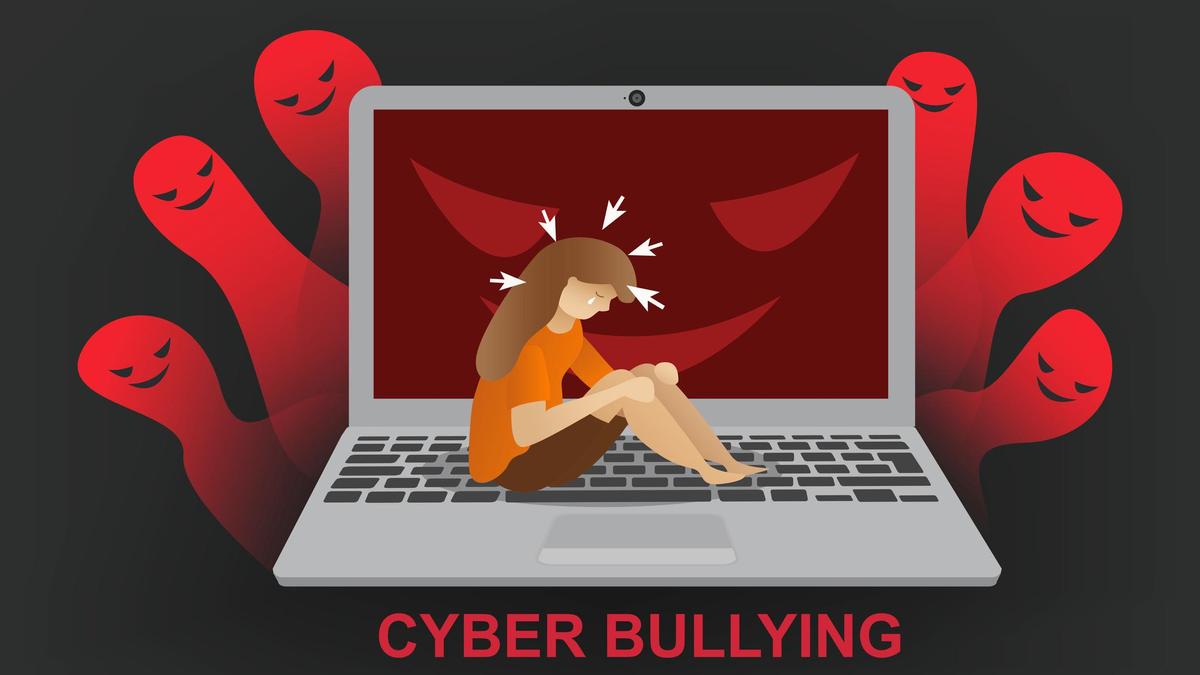
Revenge, anger and personal vendetta are increasingly fueling cyberstalking and technology-facilitated sexual offenses in India, according to Delhi Police investigators. The cases have reportedly doubled over the past year, with women facing more persistent and complex forms of online abuse. Data from the National Cybercrime Reporting Portal (NCRP) shows a staggering 118.4% increase in online crimes against women, from 22,188 cases in 2020 to 48,475 cases in 2024.
This surge encompasses online child sexual abuse, gang rape, sexually explicit acts, and obscene material.
In one case, a 17-year-old girl discovered her digitally manipulated sexual images on various adult websites and file-hosting services. Her 38-year-old aunt, a medical professional, reported the content to a helpline after identifying her niece's facial features. Despite efforts to remove the material through takedowns and digital fingerprinting, it continued to resurface online.
Another instance involved a woman threatened by her ex-partner, who used artificial intelligence to create morphed images and deepfakes of her. The woman's phone number was also shared on pornographic websites. Delhi Police officials reported that cases of cyber stalking and technology-driven revenge crimes have at least doubled in the past year.
A 23-year-old woman from Mumbai faced threats from her former Delhi-based partner, who had known access to her private images. These images were sent to her family and professional contacts, leading to the termination of her employment. In another incident, a woman received a flood of threatening messages and content from her son's schoolmate, who used AI to create deepfakes of her. The content was uploaded on adult websites along with her phone number.
The Indian Cyber Crime Coordination Centre has issued an advisory warning of possible misuse of WhatsApp Web sessions, urging users to manually log out after each session. Women accounted for 68% of the 130 victim-survivors, while men made up 26%. The cases originated from various locations across India, with Mumbai, Maharashtra, and West Bengal being the most prominent.
Rewritten by urgent.news; may contain errors — check the original.
Source: thehindu.com