Can Red Light Therapy Change The Future Of Hair Restoration?
From Nobel-recognised discoveries in light-based biology to photobiomodulation and wearable LED devices, advances in science are expanding the possibilities of non-surgical hair restoration. Light has long been used in medicine and scientific research, but its potential to influence biological processes is attracting renewed attention. The 2026 Nobel Prize in Physiology or Medicine, awarded to…
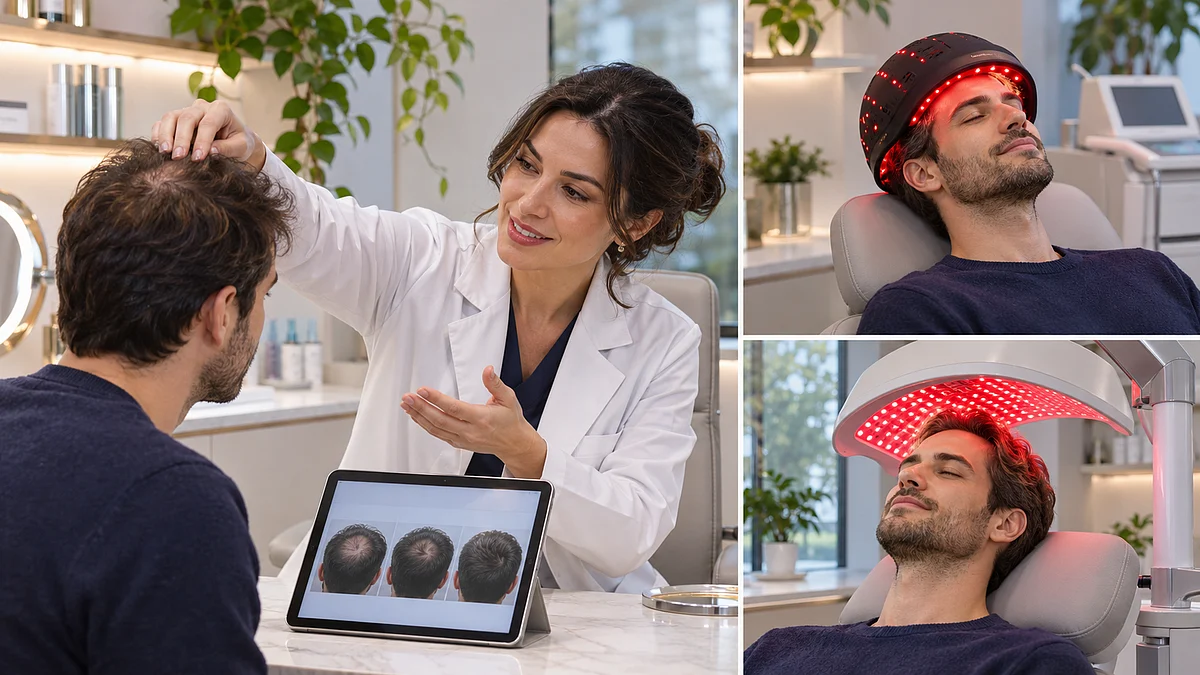
Red light therapy, also known as photobiomodulation, is gaining attention as a potential non-surgical method for hair restoration. The 2026 Nobel Prize in Physiology or Medicine highlighted the growing role of light in understanding and controlling cellular activity, which has led to renewed interest in light-based treatments for various conditions, including hair loss.
Hair loss can be influenced by multiple factors such as genetics, hormonal changes, nutritional deficiencies, stress, and underlying medical conditions. Traditional treatments include medications and surgical procedures like hair transplantation, but they have limitations such as donor hair availability, cost, surgical suitability, and recovery requirements.
Low-Level Light Therapy (LLLT), a type of red light therapy, is being explored for its potential to support existing hair follicles and influence hair growth cycles. While it is not a replacement for conventional treatments, it can be used as a complementary approach in a comprehensive hair-loss management plan. Studies have shown improvements in hair density among individuals with pattern hair loss who undergo consistent red light therapy treatment; however, individual responses vary, and further research is required to determine optimal treatment parameters and long-term outcomes.
Wearable LED devices, such as the L3Tx LED cap, offer a convenient way for individuals to incorporate red light therapy into their daily routines under professional guidance. These devices use specific wavelengths of red or near-infrared light, with the L3Tx LED cap featuring 120 LEDs and a 10-minute daily treatment session. However, it is essential to consider factors such as wavelength, irradiance, treatment duration, device design, and clinical evidence when evaluating the suitability of these at-home devices.
Consistency, duration, and realistic expectations are crucial when undergoing red light therapy. Hair growth is a gradual process, and visible changes may take several months. Professional consultation is particularly important to determine the underlying cause of hair loss, the condition of the follicles, device specifications, and treatment adherence. As the scientific possibilities at the intersection of optics and life sciences continue to emerge, the future of tech-driven hair restoration looks promising.
Rewritten by urgent.news; may contain errors — check the original.
Source: freepressjournal.in