Africa's mineral wealth draws US interest, but will the benefits stay on the continent?
The US is stepping up efforts to secure Africa's critical minerals, but political scrutiny, investment risks and demands for local economic benefits could complicate deals in 2027.
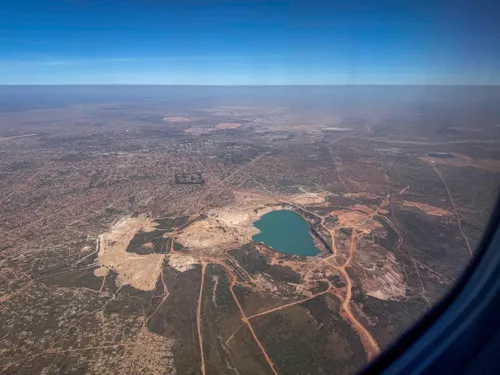
In 2026, the United States intensified its pursuit of Africa's critical minerals, aiming to mitigate China's dominance in materials crucial for emerging technologies and the global energy transition. This year, American companies and consortia unveiled substantial mining investment projects in Guinea, South Africa, Mozambique, and Kenya, alongside a strategic partnership with the Democratic Republic of Congo (DRC) in December 2025.
The DRC deal allows American investors a first offer on identified mining assets, with the Congolese government receiving diplomatic backing on security in the volatile eastern region.
In response, American firm Virtus Minerals, in collaboration with the Indian group Lloyds Metals & Energy, acquired Chemaf, a copper and cobalt-specializing Congolese company. Meanwhile, Orion Critical Mineral Consortium is negotiating a 40% stake in copper and cobalt-producing mines with Glencore. Kinshasa urged Washington to "move from signed agreements to actual investments."
However, upcoming Democratic control of the US Congress might complicate these deals through transparency investigations. Democrats have pledged to scrutinize the conditions of Trump administration negotiations. Despite this uncertainty, the DRC's mining sector secured bipartisan assurances ahead of the elections.
Several African nations have shown determination to reap economic benefits from these partnerships. Zimbabwe is contemplating suspending raw mineral exports in 2027, requiring processing and transformation within the country. This move has spurred mining companies to expedite plans for lithium processing plants. The DRC, Africa's top cobalt producer, has suspended cobalt exports to stabilize prices, a measure also applied in February 2025 before a quota system.
To foster value creation, the DRC has suspended cobalt exports, aiming to prevent oversupply and maintain market prices. Congolese President Felix Tshisekedi emphasized that the country has long contributed to global industries without reaping sufficient benefits. Mines Minister Louis Watum assured companies that government support awaits those investing in processing facilities on Congolese soil.
Among Africa's mineral-rich countries, US investors remain cautious, demanding safeguards against corruption, unpredictable tax policies, and weak legal protections. Talks between the US and DRC focus on enhancing the business climate. Despite these challenges, infrastructure projects like Guinea's Simandou iron ore mining project and the Lobito Corridor between DRC and Angola aim to expedite mineral transportation to ports.
Zambia's involvement in the EU- and US-financed Lobito project is expected to enhance connectivity in 2027. However, security concerns persist, particularly in eastern Congo, where anti-government forces are allegedly backed by Rwanda and the Congolese army. Without progress in security, investor caution is expected to remain.
Rewritten by urgent.news; may contain errors — check the original.
Source: iol.co.za