On this day in space! Nov. 27, 1885: Astronomer captures 1st known photo of a meteor during an Andromedid meteor storm
On Nov. 27, 1885, an astronomer made the first known photograph of a meteor. Here's why it mattered.
On November 27, 1885, Ladislaus Weinek, an astronomer from the Austro-Hungarian Empire, managed to capture the first known photograph of a meteor. Weinek took the image on a photographic plate while observing the Andromedid meteor shower in the Czech Republic. The meteor he photographed was a part of the Andromedids, a meteor shower linked to Biela's Comet, which disintegrated in the 1850s.
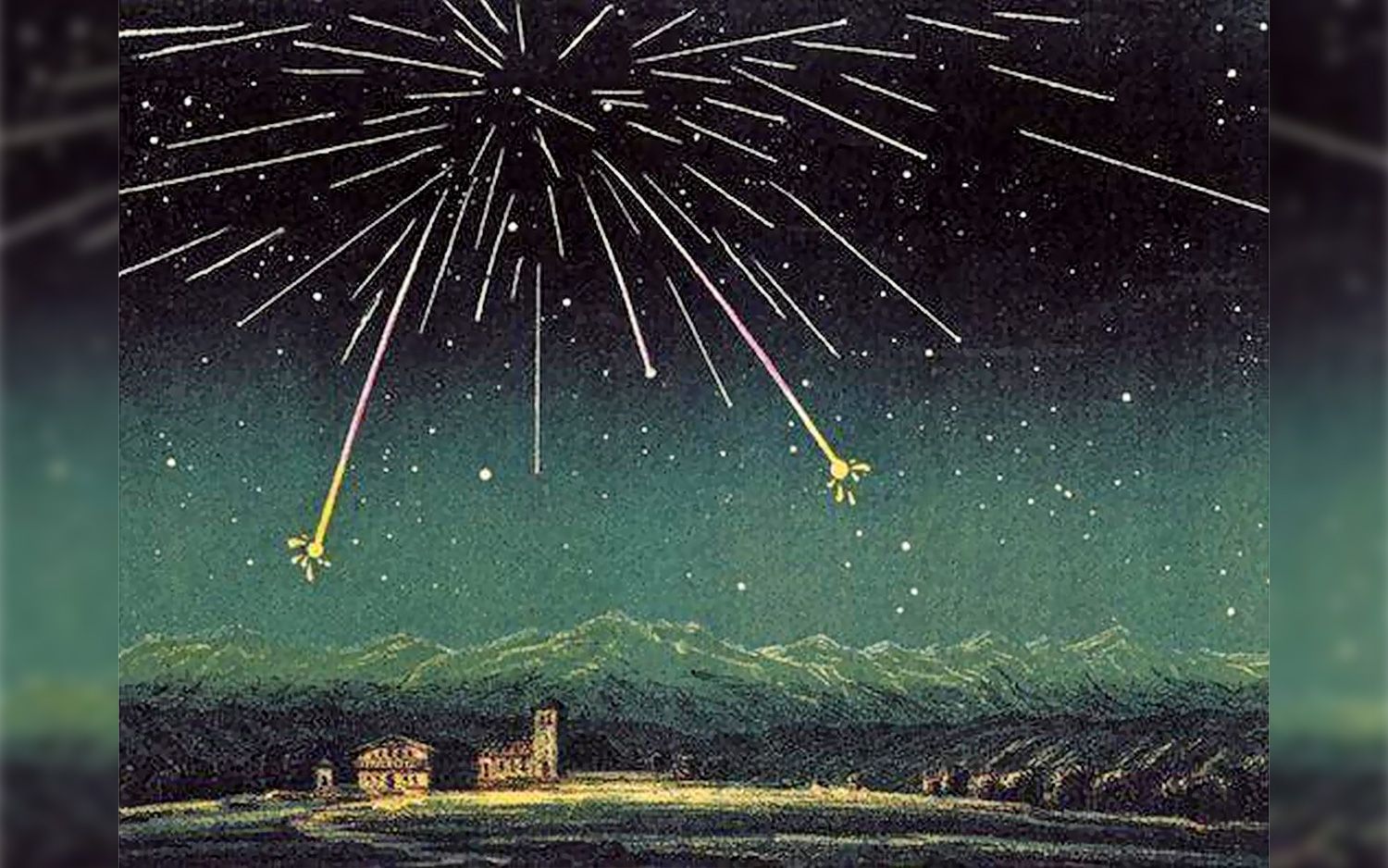
During Weinek's observation, the meteor shower was experiencing a meteor storm, meaning there were an unusually high number of meteors visible - up to thousands per hour. The phenomenon was so striking that it captured the attention of skywatchers in 1872, with paintings depicting the spectacular display over France. However, in the modern era, the Andromedid meteor shower has become significantly less visible, making Weinek's accomplishment even more noteworthy.
Weinek's technique, requiring a photographic plate, is now obsolete, with advanced camera technology replacing it. Today, astronomers employ specialized tracking equipment to capture images of Andromedid meteors. In 2011, researchers reported a resurgence in the shower's activity, with up to 50 meteors per hour being observed, with similar increases anticipated in 2018 and 2023.
Rewritten by urgent.news; may contain errors — check the original.
Source: space.com