Maharashtra scraps rulebooks for 4 tiger reserves as CM Devendra Fadnavis flags delay in infra projects
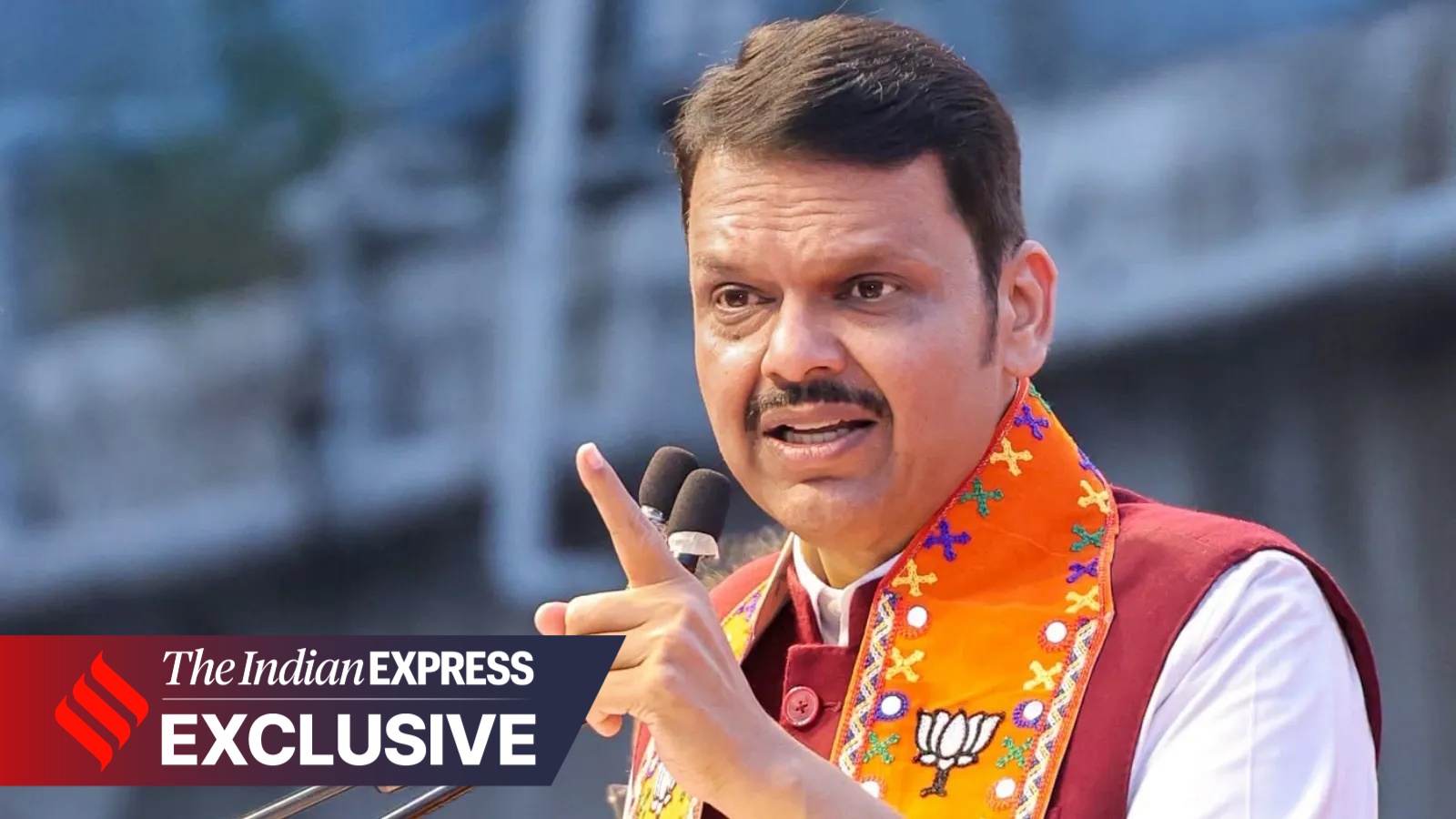
Four months after Chief Minister Devendra Fadnavis raised concerns over delays in infrastructure projects at a forest review meeting in Mumbai, the Maharashtra Forest Department has withdrawn its Tiger Conservation Plans for the Sahyadri, Melghat, Pench, and Bor tiger reserves. All four plans were awaiting approval from the National Tiger Conservation Authority (NTCA) when Fadnavis questioned officials about sending them to the center without the state government's approval.
A Tiger Conservation Plan (TCP) is a legally binding 10-year management blueprint for every tiger reserve in India, prepared under Section 38V of the Wild Life (Protection) Act, 1972. Maharashtra Chief Wildlife Warden M Srinivasa Reddy withdrew the four TCPs "directly to the NTCA without prior consultation with or the approval of the state government," citing compliance with the law. Reddy did not provide details on any shortcomings in the TCPs that prompted the withdrawal.
While the Sahyadri Tiger Reserve is now under scrutiny due to a stop-work notice issued to Adani’s Tarali pumped storage project near it, other Adani projects such as Nivakane and Patgaon-Anjivade are also in close proximity to the reserves. These projects raise concerns about potential impacts on tiger movement and habitat. Additionally, Melghat is facing pressure from various linear infrastructure projects, including railway gauge conversions, new tracks, and highway widening works, which cut through its core, buffer, and connecting corridors.
Fadnavis requested officials to assess each reserve's carrying capacity and the range of individual tigers during the November 17 meeting. The meeting also included Forest Minister Ganesh Naik and Minister of State (Finance and Planning) Ashish Jaiswal. The withdrawal of the TCPs is significant as they govern core, buffer, and corridor management and intersect with Eco-Sensitive Zone (ESZ) regulations, which impact infrastructure and industrial projects and the rights of local villagers.
Rewritten by urgent.news; may contain errors — check the original.
Source: indianexpress.com