Centre’s new delimitation Bill: What it proposes and what changes
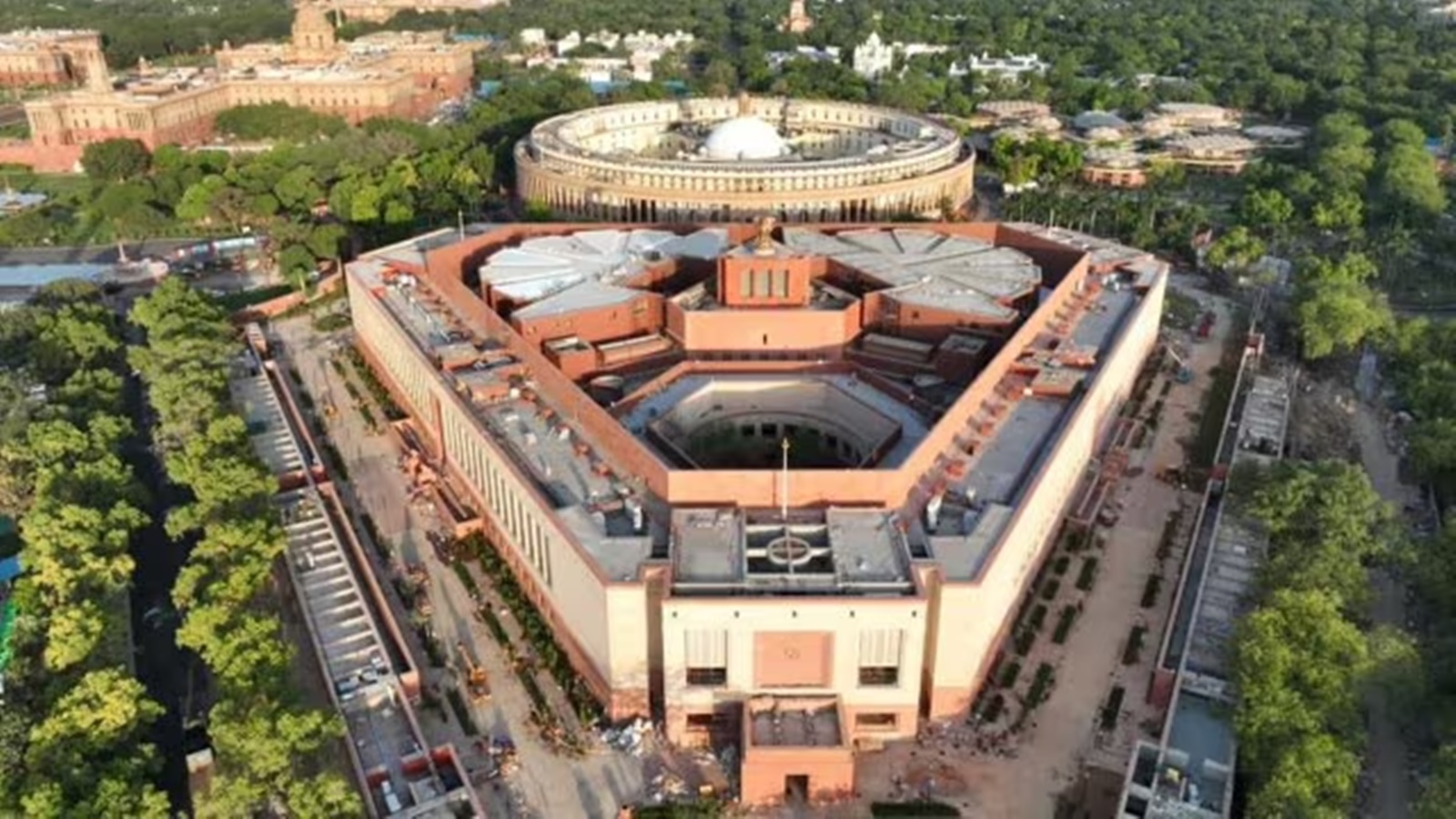
The Union Cabinet has approved a new Constitution amendment Bill that aims to increase the number of seats in the Lok Sabha and state assemblies, as well as implement a 33% reservation for women in parliamentary and state legislative bodies. The Constitution (One Hundred and Thirty-Second Amendment) Bill, 2026, clears the path for expanding the maximum strength of the Lok Sabha to 850 and of state assemblies to 650.
A key provision in the Bill, which has garnered support from some regional parties, is the increase of 50% in the number of seats allocated to each state/UT in the Lok Sabha and the number of Assembly seats in each state/UT. This boost will come into effect immediately, providing a significant expansion to the existing allocation.
However, the seat allocations for the Lok Sabha will remain frozen until the first Census taken after 2051 is published. The proposed delimitation exercise will increase the number of Lok Sabha seats in all states by 50%, keeping the inter-state ratio based on the 1971 population intact until 2051. Constituencies will be redrawn following the 2011 Census.
Sources suggest that three separate Bills will be introduced: one for increasing the Lok Sabha seats, another for delimiting constituencies, and a third for Union Territories. The delimitation commission will be formed following the approval of the Bills, with the reservation for women seats set to be implemented for the 2029 Lok Sabha elections. The reservation for women will rotate every three terms, lasting for a total of 15 years.
The Bill also aims to maintain the current value of votes for Presidential elections. The previous Constitution amendment Bill, which linked women's quota to the 2027 Census, will be withdrawn.
Rewritten by urgent.news; may contain errors — check the original.
Source: indianexpress.com