Dropping missiles from orbit? 2 European companies sign agreement to study the idea
Atmos Space Cargo will fly its first Phoenix cargo-return capsule on SpaceX's Bandwagon 3 rideshare mission, which is scheduled to launch this spring.
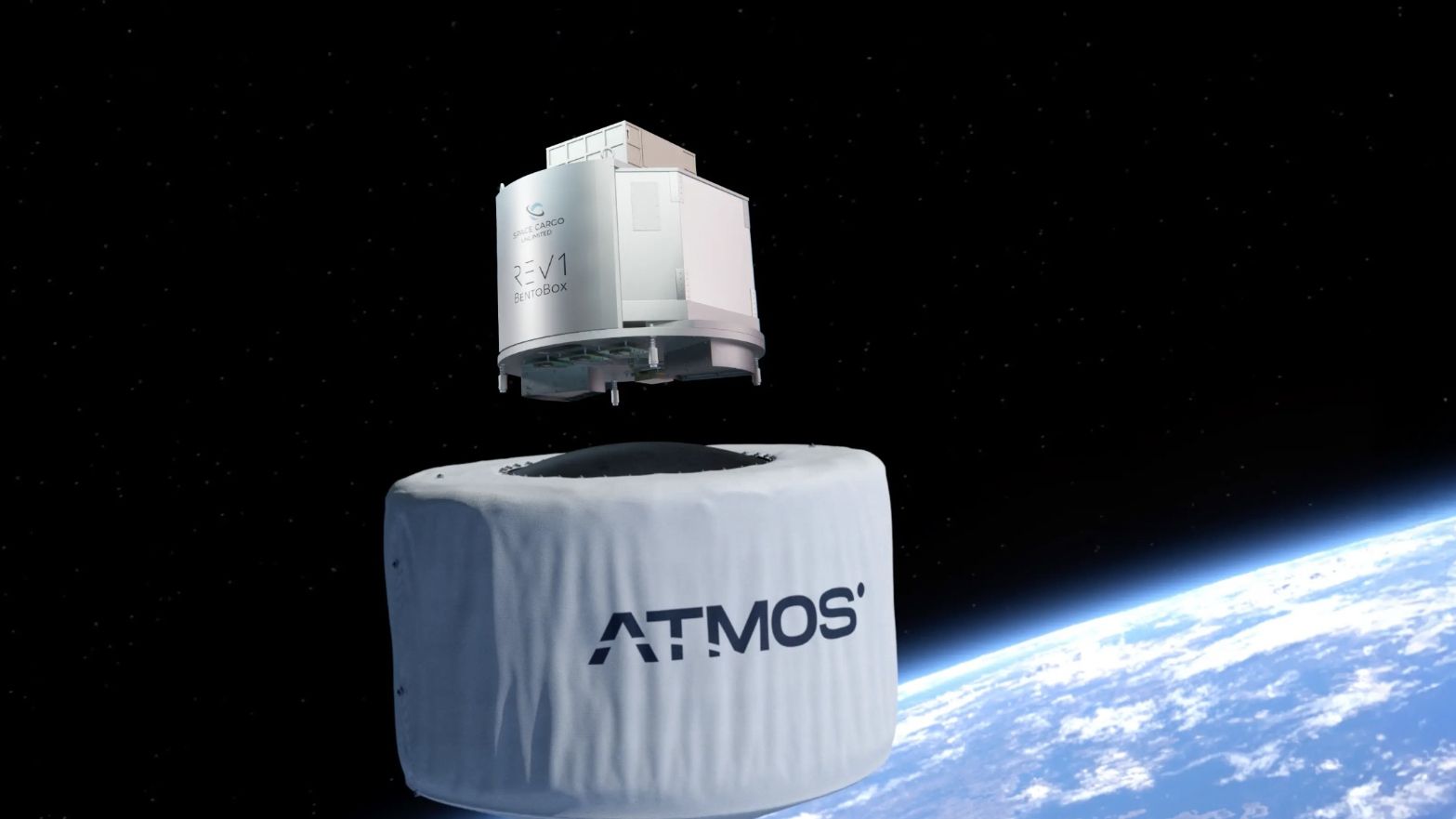
Two European companies, Atmos and MBDA, have agreed to collaborate on researching the potential of weapons capable of being launched from orbit. Atmos, a renowned space company, and MBDA, Europe's leading missile manufacturer, are examining how existing defense systems and advanced orbital technology can be integrated to enhance Europe's conventional defense capabilities and facilitate future defense options.
Sebastian Klaus, CEO of Atmos Space Cargo, announced this initiative on November 18, stating that the primary focus will be on design, feasibility, and technology integration. The project, known as Precision Orbital Deep Strike (PODS), could potentially lead to demonstrations, though deployment or use would require approval from governmental and military authorities.
This development aligns with MBDA's broader strategic goal in the space domain, emphasizing the protection of defense and defense of space. The news follows statements by U.S. Space Force Chief General Douglas Schiess, who revealed that the U.S. Space Force currently operates orbital weapons capable of defending against space-enabled attacks.
In September 2025, Atmos successfully tested its Phoenix capsule in space during a Space X Falcon 9 rocket rideshare mission, which launched in February. The Phoenix capsule's inflatable heat shield technology aims to safeguard future space-manufactured cargo during atmospheric re-entry. Klaus emphasized that orbital transportation and return signify a new layer of strategic infrastructure, determining Europe's capacity to achieve goals on its own terms.
Rewritten by urgent.news; may contain errors — check the original.
Source: space.com