Centrists kingmakers as New Zealand PM loses majority
New Zealand Prime Minister Christopher Luxon's right-wing coalition has lost its parliamentary majority, final results from this month's election show, plunging the country into political uncertainty with an insurgent centrist party set to play kingmaker.
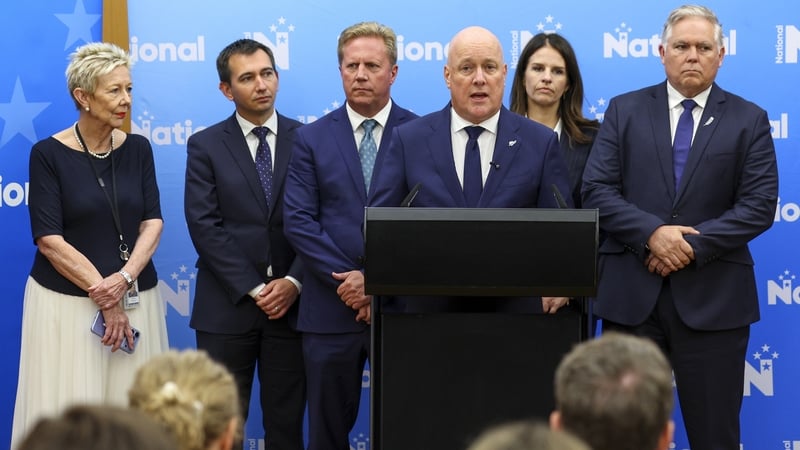
New Zealand's ruling coalition has fallen one seat short of securing a parliamentary majority, according to official results released on Friday. This outcome comes after a campaign marked by economic stagnation and voter disillusionment. The incumbent National Party, led by Prime Minister Christopher Luxon, now requires the support of the centrist Opportunity Party to maintain power.
If a deal cannot be reached, the nation may need to hold new elections. The National Party secured 40 out of 130 seats, while its coalition partners ACT and New Zealand First claimed 13 and 12 seats respectively. However, a Labour Party-led government is deemed impossible, as even with the backing of Opportunity, it would still fall short of the necessary seats.
Labour secured 36 seats, The Greens obtained 17, and Te Pāti Māori, representing Māori interests, garnered five. The centrist Opportunity Party, described as this election's key player, received seven seats. Opportunity's leader, Qiulae Wong, stated that her party will negotiate with the National Party, but that all options remain open.
"There are seven parties in parliament and everyone is responsible for ensuring a stable government for New Zealand," Wong said. On election day, preliminary results had indicated that National, in coalition with its partners, would narrowly lead the left-leaning bloc. However, the official count reveals that the National Party has lost two seats on special votes, which typically skew towards the left.
Prime Minister Luxon's government pledged lower taxes, reduced energy costs, increased renewable energy, and a stronger focus on defense during the campaign. Labour, on the other hand, advocated for reduced healthcare, public transport, and fuel costs, along with more support for social housing. New Zealand's mixed-member proportional voting system necessitates coalition governments.
Voters cast two choices - for their constituency representative and their preferred political party. Many voters expressed frustration over rising living costs and high unemployment, with declining trust in their political leaders. A survey by the Helen Clark Foundation revealed that over half of New Zealanders no longer see their country as a land of opportunity, with many leaving the nation, including former Prime Minister Jacinda Ardern, heading to Australia.
Rewritten by urgent.news; may contain errors — check the original.
Sources: gulfnews.com · freemalaysiatoday.com · nst.com.my · bbc.co.uk · rte.ie
Also reported by 4 other outlets
- New Zealand PM Luxon loses majority, centrists now kingmakers gulfnews.com
- New Zealand's ruling coalition falls short of parliamentary majority by one seat bbc.co.uk
- New Zealand PM Luxon loses majority, centrists now kingmakers freemalaysiatoday.com
- New Zealand PM Luxon loses majority, centrists now kingmakers nst.com.my