New Zealand PM Luxon loses majority, centrists now kingmakers
New Zealand Prime Minister Christopher Luxon's right-wing coalition lost its parliamentary majority, final results from this month's election showed Friday, plunging the country into political uncertainty with an insurgent centrist party set to play kingmaker. Preliminary results of the November 7 poll had Luxon's National Party-led coalition clinging onto power. But margins were so tight that…
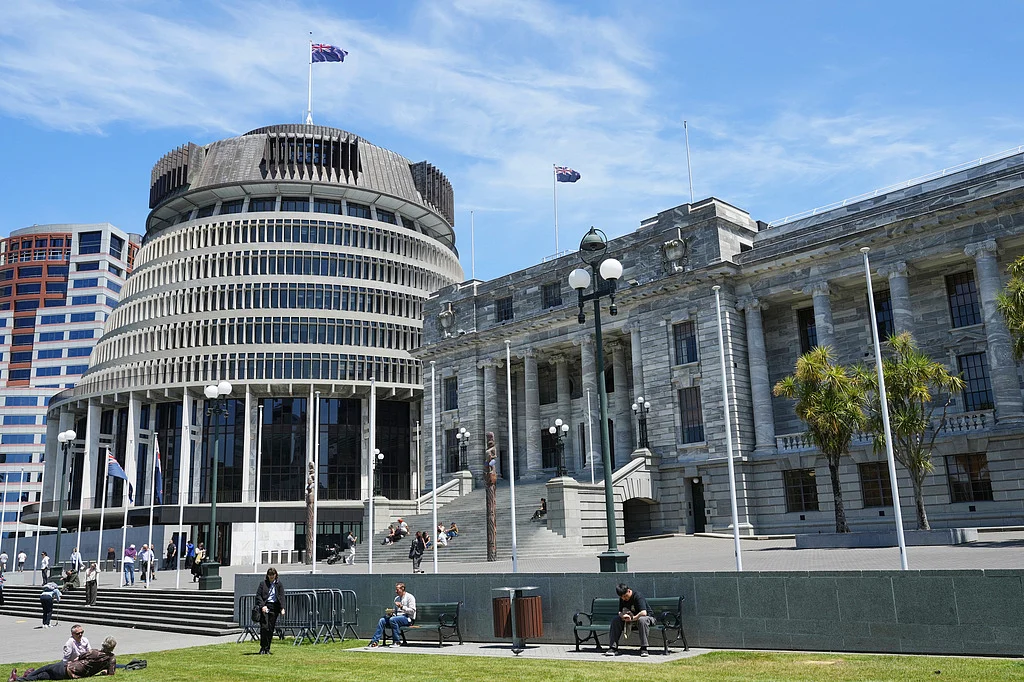
New Zealand Prime Minister Christopher Luxon's right-wing coalition lost its parliamentary majority following the November 7 election, according to final results released Friday. This development plunged the country into political uncertainty, with an insurgent centrist party poised to become kingmakers in the next government. Luxon's National Party-led coalition had held onto power based on preliminary results from the election, but after the final vote count, his party had lost two seats.
As a result, Luxon's coalition was now one seat short of achieving a majority. The populist NZ First and the libertarian ACT were both holding one seat. Luxon declared he had the mandate to form the next government following the election, which had been fiercely fought and dominated by concerns over the spiralling costs of living in New Zealand.
He had been leading a caretaker government since the November 7 poll. However, he will now need the support of the centrist newcomers Opportunity, led by Qiulae Wong, if he wishes to govern. If no deal is struck, the country could be headed towards another election. Wong's party, Opportunity, had pledged a kinder, gentler politics and promised action on climate change as part of their platform.
Wong herself had become the first in decades to lead a party into parliament without a former cabinet minister as their leader. She vowed to work with whichever party had the most seats, but insisted that her party's "bottom lines" on climate change action, cost of living, and cleaning up politics were non-negotiable. Following the election, both Luxon and the opposition Labour Party leader Chris Hipkins had held extensive meetings with Wong.
The rise of the centrist queenmaker from a party that had only recently polled at about one percent to her current position as a potential kingmaker in New Zealand's next government marked a remarkable transformation. Wong had preached "pragmatic politics" as a counter to rising polarisation, hoping to bring the heat down a little and focus on moving the country forward.
She had noted that the rise of populism had seen a decade of rising extremism and polarisation globally, stating that it did not deliver results.
Rewritten by urgent.news; may contain errors — check the original.
Sources: gulfnews.com · freemalaysiatoday.com · nst.com.my · bbc.co.uk