¡Casi 14 veces México! Así creció el agujero de la capa de ozono en 2026: ¿Qué riesgos implica?
El satélite Copernicus Sentinel-5P detectó que el agujero de ozono de 2026 está entre los más grandes registrados en los últimos 48 años.
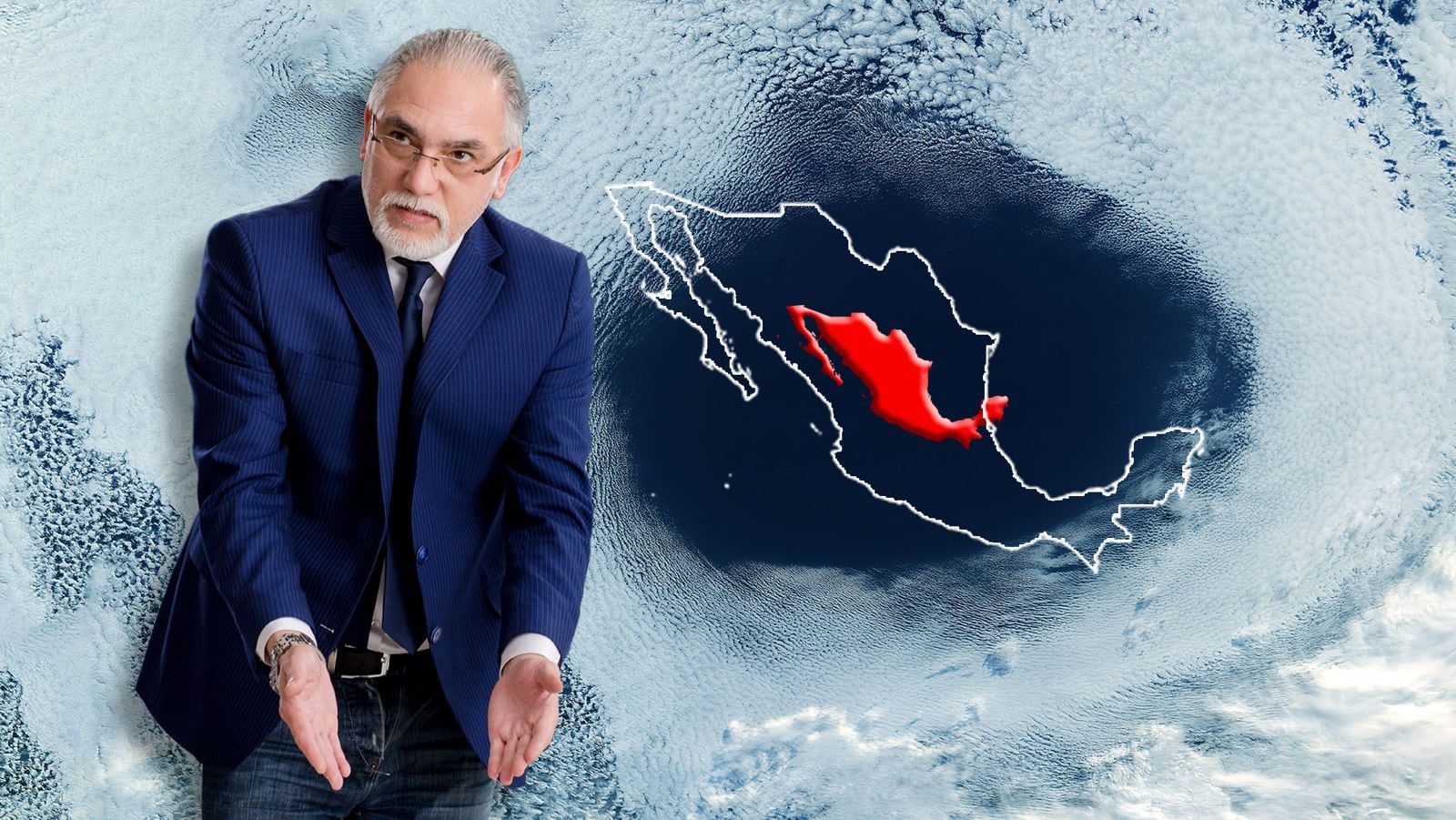
In 2026, the ozone hole over Antarctica expanded to cover an area of 27.3 million square kilometers, nearly 14 times the size of Mexico. The European Space Agency's Copernicus Sentinel-5P satellite observed this unusually large expansion, which was the fifth-largest since 1992, according to the agency. Unlike the smaller ozone hole in 2025, this year's event was linked to an unusually strong and persistent polar vortex.
This vortice kept Antarctic stratospheric temperatures favorable for ozone destruction for a longer period, allowing the hole to expand more than usual. The ozone hole typically forms in August, grows through September, and reaches its maximum size between mid-September and mid-October. However, as temperatures rise in the southern hemisphere's stratosphere during the spring, ozone loss decreases, and the polar vortex weakens.
The ozone hole usually closes by December when ozone levels start to recover. The growth of the ozone hole poses significant risks as it allows more harmful UV-B radiation to reach Earth's surface. According to the World Health Organization, excessive exposure to UV radiation is linked to an increased risk of skin cancer, eye damage, and a weakened immune system.
The main consequences include skin cancer, eye problems, a weakened immune system, and ecosystem damage. While the 2026 ozone hole was larger than average, the amount of ozone lost remained within average levels, meaning the concentration reduction was not as pronounced as in previous years.
Rewritten by urgent.news; may contain errors — check the original.
Source: elfinanciero.com.mx