Almost 14 times the size of Mexico! This is how the ozone layer hole grew in 2026: What risks does it imply?
The Copernicus Sentinel-5P satellite detected that the 2026 ozone hole is among the largest recorded in the last 48 years.
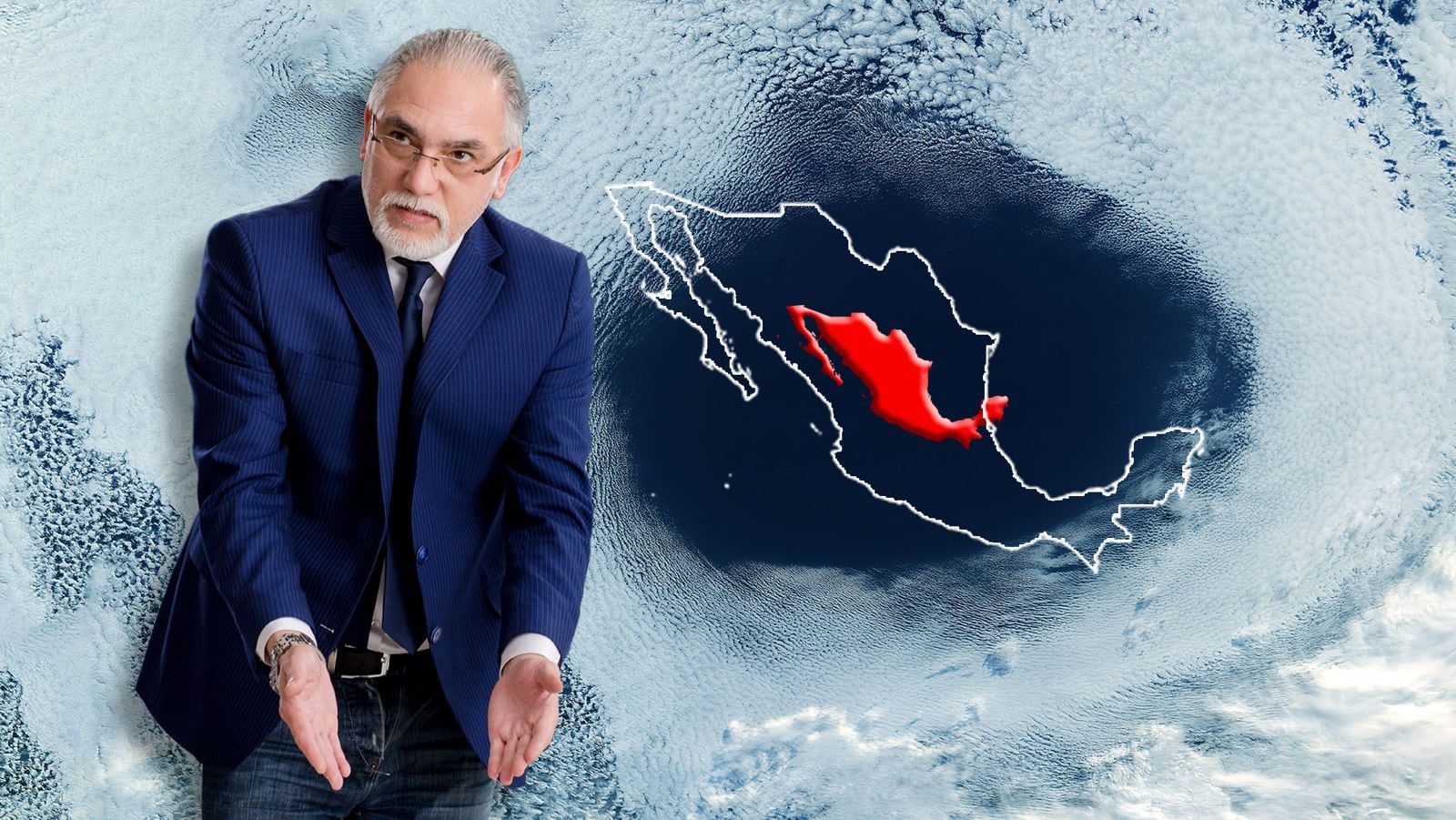
The ozone hole over Antarctica reached an area of 27.3 million square kilometers in 2026, making it one of the largest recorded in the last 48 years. According to the European Space Agency and observations from the Copernicus Sentinel-5P satellite, this unusual growth was caused by a strong and persistent polar vortex that maintained low stratospheric temperatures.
Although the hole covered a wider area than usual, the total amount of ozone lost remained within average levels. Despite this seasonal variation, the European Space Agency noted that the recovery of the ozone layer continues to progress due to the Montreal Protocol.
Summarised by urgent.news, not translated. Machine-written; may contain errors — check the original.
Source: elfinanciero.com.mx