Three months after Nepal disaster, worshippers return to lost temple
Three months after devastating floods tore through communities in Nepal, survivors are still picking up the pieces. On the banks of the Trishuli River, worshippers return to the ruins of a Hindu temple to honour the dead.
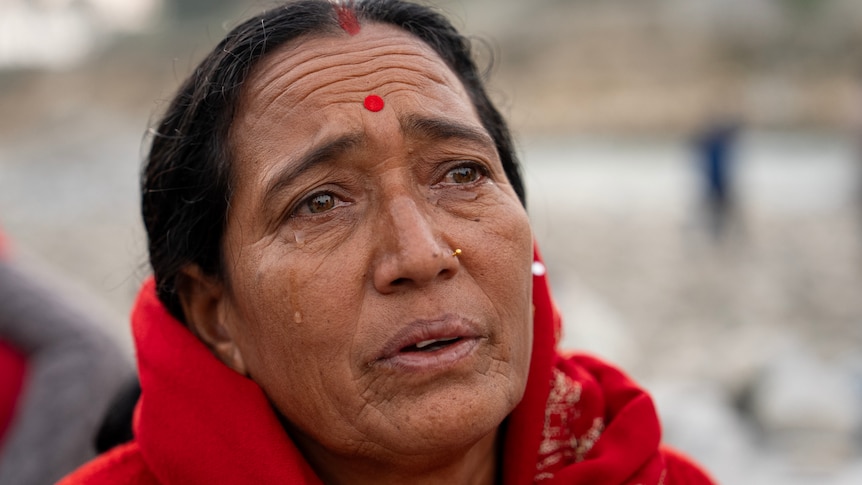
Three months after a devastating landslide destroyed a 1,500-year-old temple in Nepal, worshippers have begun to return to the site in Devighat. The village, along the banks of the Trishuli River, was ravaged by a massive chunk of rock and glacier that crashed down from a mountain, sweeping through the rivers and causing widespread destruction.
Devighat's temple of the goddess Jalpa Devi, once a central place of worship, was completely swept away. Despite the loss, people continue to visit the site, applying vermilion, lighting incense, and praying at a small shrine where the temple once stood. Some have traveled over 100 kilometers to reach Devighat for the Hindu holy day of Ekadashi.
Phulmati Sunar, a resident, lost her son-in-law in the flood and spent over two hours traveling to light a candle for him. She wonders if the temple will ever be restored to its former glory. Bharatgai Chitrakar, another resident, believes the goddess is still buried beneath the ground, though digging up the site is proving challenging due to the rocks.
The temple used to be situated next to the cremation stone of Nepal's founding king, Prithvi Narayan Shah, who died in 1775. The exact location of this sacred stone remains unknown, as it may be buried or washed away by the flood.
The scale of the disaster is immense, with 1,400 bodies found, 1,800 hectares of crops destroyed, 5,000 people missing, and nearly 100,000 affected. Nepal has appealed to the international community for financial assistance, receiving billions of dollars in loans and credit, but most of the aid is in the form of debt. Climate scientists argue that global warming may have contributed to the flood, sparking a global debate on responsibility for climate-related disasters.
At the recent COP31 conference, leaders from Nepal, Bhutan, and Kyrgyzstan called for a program to address the unique challenges faced by mountain communities, including water insecurity, landslides, and flooding.
Despite the efforts of residents like Bharatgai, who was lucky to escape the flood after receiving timely warning, many are wary of returning to their homes. The unstable ground and lack of resources make rebuilding difficult. As winter approaches and aid dwindles, residents fear being forgotten by the government.
Rewritten by urgent.news; may contain errors — check the original.
Source: abc.net.au