Cuba aprueba negocios por 2 mil mdd; es parte de las reformas para descentralizar la economía de la isla
La Habana.- Cuba aprobó 40 nuevos negocios con un capital de inversión de 2 mil millones de dólares (mmdd) como parte de las 176 reformas que buscan liberalizar su economía , ampliar la participación del sector privado y atraer capital extranjero, seis de ellos vinculados a cubanos residentes en el exterior, informó el gobierno durante la 42 Feria Internacional de La Habana ( Fihav ). El…
La Habana, Cuba - On Wednesday, Cuba approved 40 new businesses with a combined investment capital of $2 billion (mmdd) as part of 176 reforms aimed at liberalizing the economy, increasing private sector participation, and attracting foreign capital. The reforms, according to the government presentation at the 42nd Havana International Fair (Fihav), prioritize foreign investment as "a fundamental component" while introducing market mechanisms "without abandoning planning, but recognizing the role of the market in this process."
The 40 new businesses cover sectors such as trade, oil and petroleum, tourism, mining, and banking and finance. Of the total, six businesses correspond to investments by Cubans residing abroad, though Pérez-Oliva did not identify the companies, their sectors, or the origin of the capital. The participation of the diaspora is one of the ways the Cuban government seeks to attract resources amid the economic crisis, with nearly three million Cubans living outside the island, according to estimates.
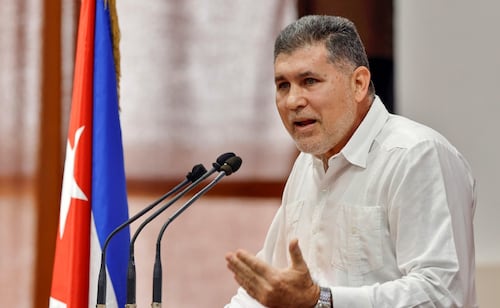
Vice Prime Minister and Minister of Foreign Trade and Foreign Investment, Óscar Pérez-Oliva, told international press that Cuban diaspora investment is "actively behaving," a result of the reforms that are "already having an impact on the approval of new projects." Pérez-Oliva noted that the government is analyzing the new foreign investment law, which aims to recognize the greater participation of Cubans residing abroad in the country's economic and social development and grant greater benefits.
Despite US pressure on foreign companies operating in the island, Pérez-Oliva defended the opening of Cuba to international capital and said the 2027 economic plan aims to "better optimize the country's capabilities and potentialities." He acknowledged that the scenario is "complicated with the re-emergence of the US blockade, threats, uncertainty, blackmail, and pressures on foreign companies betting on participation in our development," but assured that Cuba is "open to foreign investment from the entire world."
Rewritten by urgent.news; may contain errors — check the original.
Source: eluniversal.com.mx