Report reveals stark educational divide between rich and poor in Turkey
The highest-income 20% of households accounted for 72.2% of household education expenditure last year.
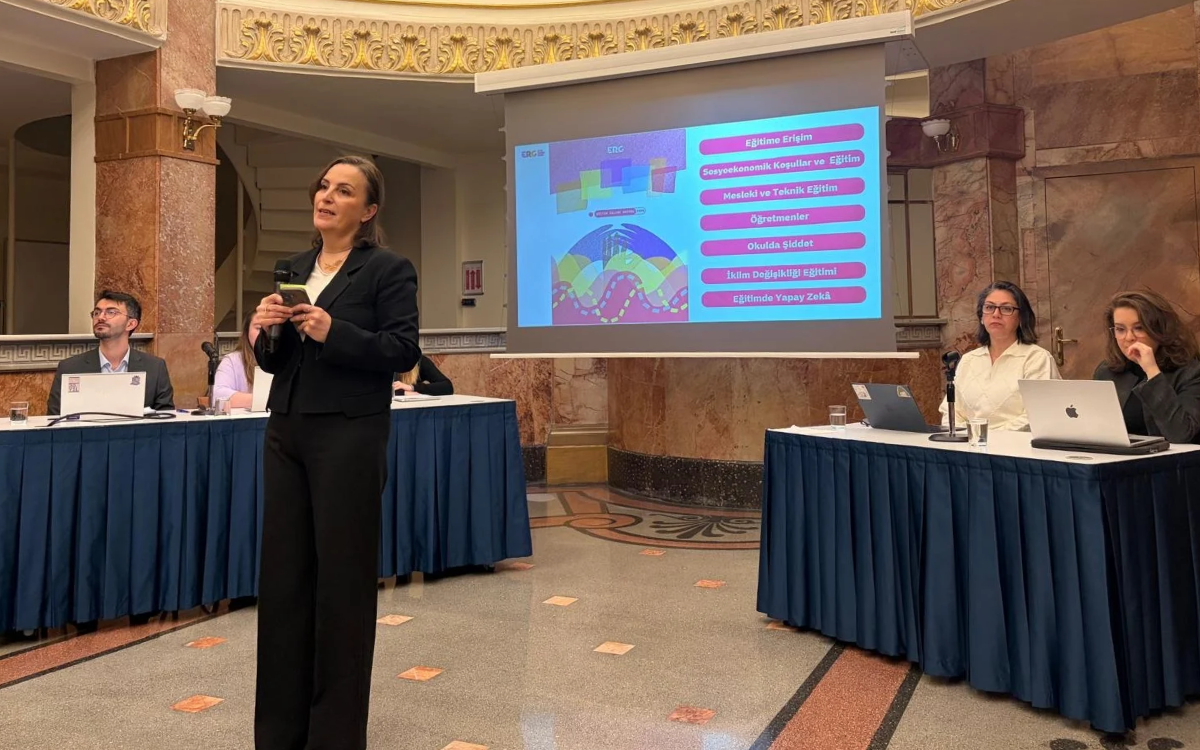
Turkish wealth disparity in education spending is 81 times greater between the richest and poorest households, according to the 2026 Education Monitoring Report by the Education Reform Initiative (ERG). The top 20% of households contribute 72.2% of education spending, while the bottom 20% contribute only 0.9%. Nearly 580,000 children of compulsory school age were not enrolled in the education system during the 2025-26 academic year.
The number of students in open education high schools decreased to 320,897, while those transferred to distance learning increased by 34% to 57,357. Students who repeat a grade are directed to open education or vocational training centers. Enrollment in formal upper secondary education fell by 9% over two years, while vocational training center enrollment rose by 72,000 in a single year. Boys accounted for 82.5% of public vocational training center students.
Absenteeism and grade repetition rates rose in vocational and technical high schools, with 49.8% of students missing 20 or more days of school in 2025, up from 40.6% in 2024. The ninth-grade repetition rate increased from 28.5% to 38.4%. Turkish students reported missing at least one full day of school in the preceding two weeks at a rate of 52.6%, compared to an OECD average of 22%.
One in four children aged 15 to 17 were in the labor force in 2025, with 25.8% of 14 to 17-year-olds covered by compulsory insurance experiencing workplace accidents. At least 75 children died while working in the first 10 months of 2026. Wealthiest households spent 81 times more on education than poorest households, and girls have low enrollment in 11 provinces, with rates below 80% in 11 provinces and 60% in Urfa and 64.4% in Muş.
Rewritten by urgent.news; may contain errors — check the original.
Source: bianet.org